
Plantar Fasciitis
- Dr. Abbie Clinics
- August 26, 2019
Plantar fasciitis is the medical term for inflammation of the plantar fascia – the thick band of tissue running under the foot from heel to toes. It’s one of the most common causes of heel and arch pain we see, and while “heel pain” and “plantar fasciitis” are often used interchangeably, this page focuses on the condition itself: what it is, why it happens, and how it’s generally approached.
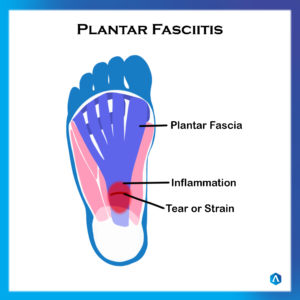
What Is the Plantar Fascia?
The plantar fascia is a thick, complex ligament made up of three bands that runs under the foot from the base of the heel to the toes. Among its roles, it helps form the arch of the foot and assists in propelling you forward with each step. When this tissue is placed under repeated strain, small tears and inflammation can develop; this is plantar fasciitis.
Symptoms of Plantar Fascia
- Severe to moderate pain in the heel or base of the foot
- Pain that restricts how you walk
- Pain that can disturb sleep in more significant cases
Plantar fasciitis is experienced by many Australians, and while it’s common, that doesn’t mean it should be left unaddressed. Persistent cases tend to be linked to an underlying mechanical cause.
What Causes Plantar Fasciitis?
The main contributing factor we look for is excess pronation where the foot rolls inward more than it should during walking. This can lower the arch, causing the foot to elongate and placing traction on the plantar fascia at its attachment point. Other contributing factors include tight calf muscles that restrict the foot’s flexibility, high arches, increased physical activity, and carrying extra weight. If only one foot is affected, a leg length difference can sometimes be a contributing factor, as the longer leg may roll in to help level the pelvis.
Our Approach to treating Plantar Fascia
Our view is that treating plantar fasciitis effectively means addressing the mechanical cause, not just the symptom at the base of the foot. A thorough biomechanical assessment is used to identify the actual contributing factors and points of pain, so a treatment plan can be built around your specific presentation, rather than a generic approach.
Treatment Options We Offer
- Custom orthotics: designed to help control excess pronation and reduce tractional pull on the fascia
- Low Dye strapping: used to help remove tractional forces on the plantar fascia
- Foot mobilisation: aims to re-align the bones of the foot to reduce fascia stress
- Dry needling: may help break down scar tissue via a localised inflammatory response
- Extracorporeal Shockwave Therapy: mechanical shockwaves designed to stimulate a healing response
- Proper footwear guidance: to help keep the foot stable during daily activity
Frequently Asked Questions
Is plantar fasciitis the same as heel pain?
Plantar fasciitis is the most common cause of heel pain, but heel pain can occasionally have other contributing causes. See our Heel Pain page for a broader look at heel pain generally.
What makes plantar fasciitis come back after it settles?
If the underlying mechanical cause (most often excess pronation) isn’t addressed, the repetitive strain that caused the original inflammation can continue, which is why identifying and managing the cause is central to our approach.
Book an Assessment
If you’re dealing with persistent heel or arch pain, book a biomechanical assessment at your nearest Dr Abbie Clinics location.