
Foot Mobilisations
- Dr. Abbie Clinics
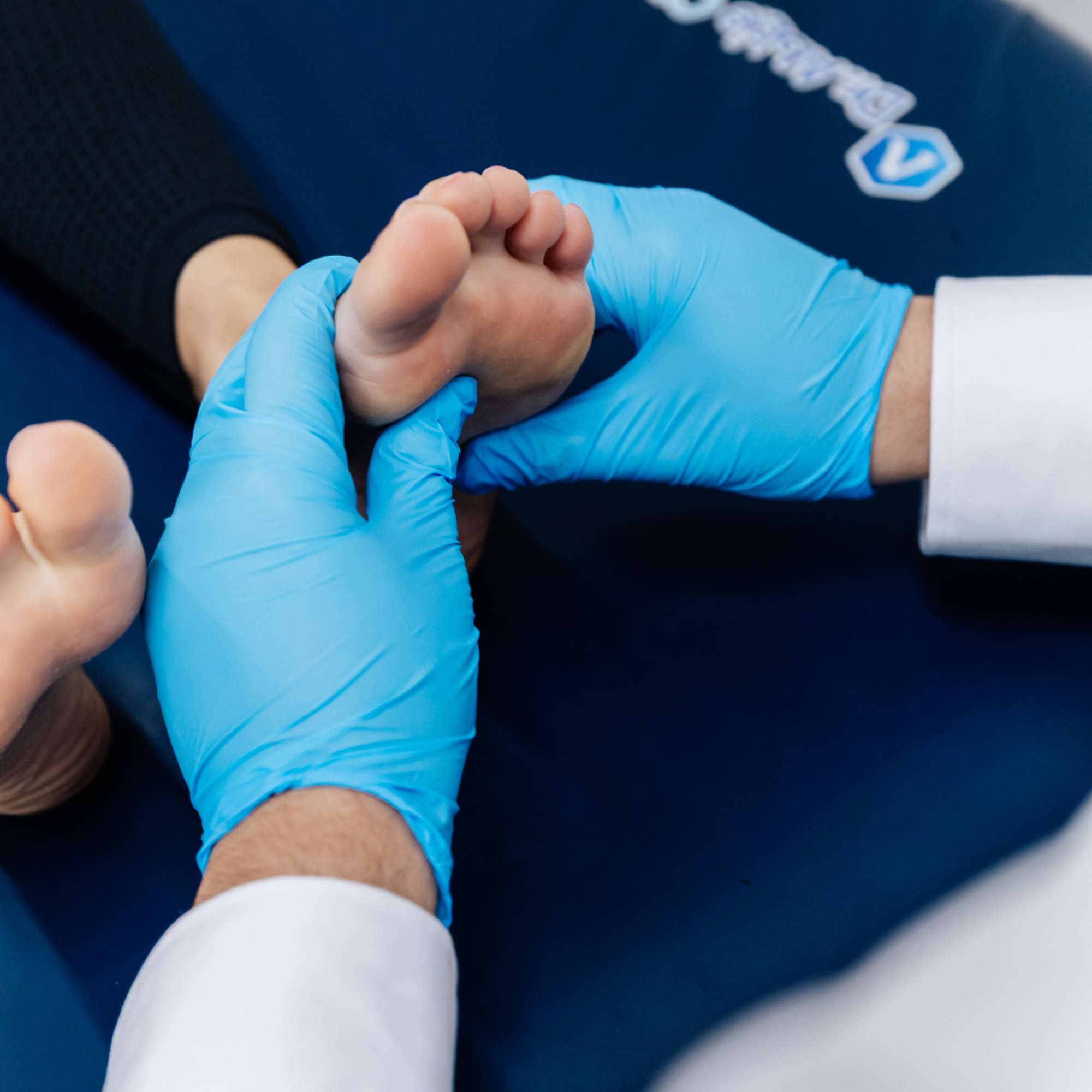
There are 26 bones in the human foot (28 if you count the two small sesamoid bones under the big toe), and every one of them needs to move properly for your foot to function the way it should. When one of these bones becomes restricted, or partially dislocated, it can throw off far more than just that one spot.
One of the more common versions of this is what’s known as cuboid syndrome, a small bone on the outer edge of the foot that becomes subluxed, often linked to ankle sprains or ongoing excess pronation. It’s easy to miss if you’re only looking at the site of pain rather than the mechanics behind it.
How we approach it
We use a structured, hands-on approach to mobilising the bones of the foot, as well as the ankle, knee and hip where relevant. It’s rarely used in isolation; foot mobilisation tends to work best alongside orthotic therapy and the right exercise prescription, since mobilising a joint and then not supporting it afterwards can mean the same restriction creeps back.