Osgood-Schlatter Disease
- Dr. Abbie Clinics
- August 19, 2019
Osgood-Schlatter Disease is a common cause of knee pain in growing adolescents. While it can be uncomfortable and disruptive to sport and activity, it’s generally very manageable with the right approach.
What Is Osgood-Schlatter Disease?
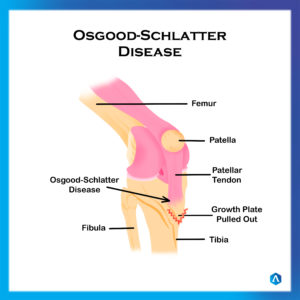
This condition is caused by irregularities in the rate of bone formation and soft tissue growth. It’s identified by a noticeable lump at the base of the knee, where the patellar tendon attaches to the shinbone. It can be exacerbated by internal tibial rotation caused by excess pronation, which increases traction at that attachment point.
Common Symptoms
- Knee pain, caused by inflammation just below the kneecap
- A visible or palpable lump at the top of the shin bone
- Pain that increases with activity, particularly running, jumping or kneeling
Assessment
There are various possible causes of knee pain in growing children, so seeing a professional lower limb expert matters. A biomechanical assessment using our NBA (Najjarine Biomechanical Assessment) system is designed to help confirm Osgood-Schlatter Disease and determine how it may be affecting your child’s gait, posture and wellbeing.
Treatment Options We Offer
Treatment for Osgood-Schlatter Disease is non-surgical. We generally look at the most immediate ways to relieve pain, which may include one or a combination of the following:
- Reducing strenuous activity and resting as much as practical
- Icing the area for up to 20 minutes at a time, until the skin becomes numb
- Custom orthotics: engineered to suit your child’s biomechanics, which may help limit aggravation and support healing
- Strapping techniques: to help provide support while healing occurs
- Prolotherapy: has shown positive results in some cases in helping stimulate cartilage repair.
- Anti-inflammatory medication such as Voltaren or ibuprofen, to help reduce swelling and pain (always check with your GP or pharmacist before giving any medication to a child)
Frequently Asked Questions
Does Osgood-Schlatter Disease need surgery?
No. Treatment is generally non-surgical, focused on relieving pain and addressing the contributing biomechanics while your child continues to grow.
Can my child keep playing sport?
This depends on severity and pain levels. An assessment can help clarify what activity level is appropriate during treatment.
Book an Assessment
If your child has knee pain or a noticeable lump below the knee, book a biomechanical assessment at your nearest Dr Abbie Clinics location.