
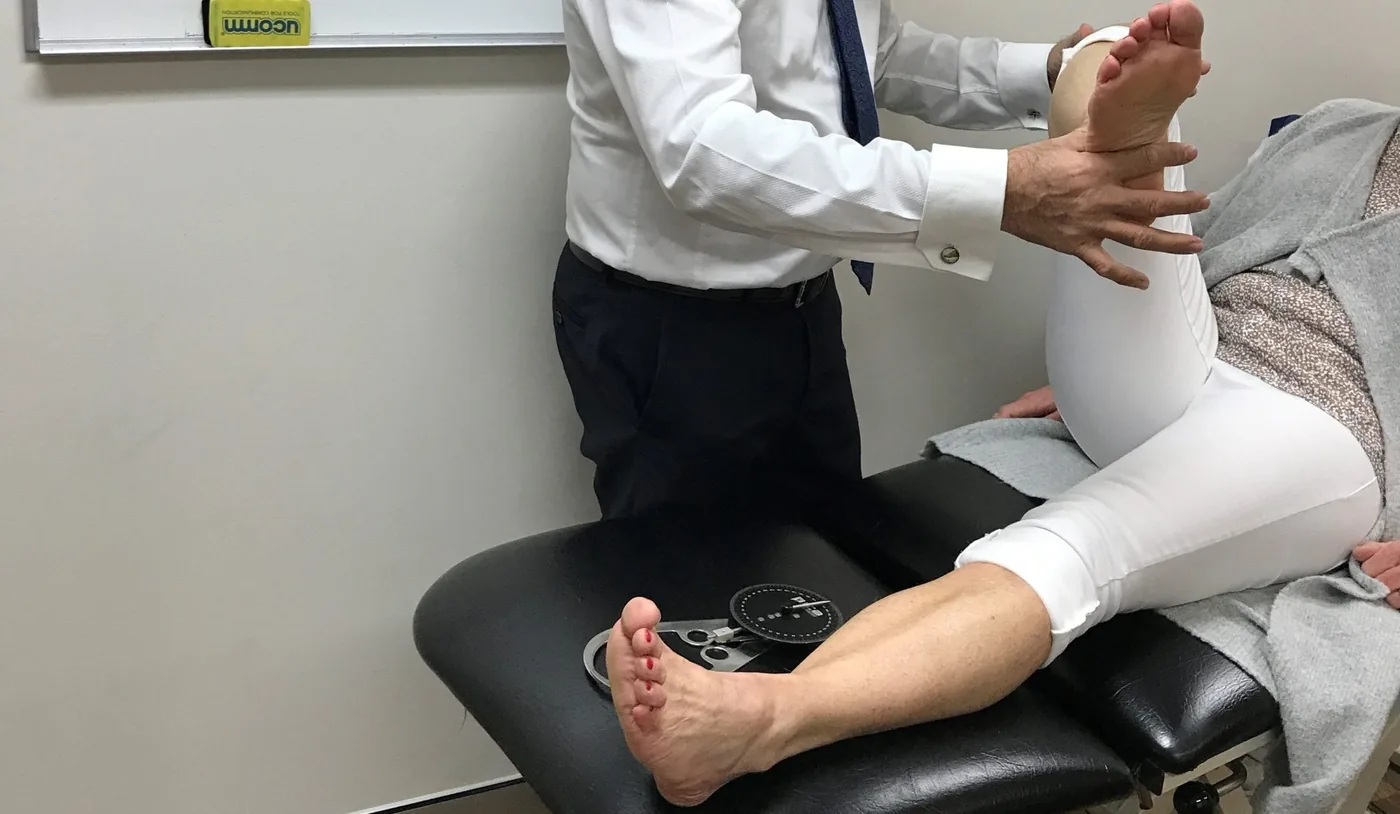





The seven measurements
- Heel position standing relaxed
- Heel position in neutral
- Shin twist, measured at the ankle
- Hip rotation, leg straight
- Hip rotation, leg bent
- Leg length difference
- Forefoot position (six types)
A full lower limb assessment from the feet up. It is the foundation of every treatment plan we prescribe.
Trusted by patients from Sydney to Narrabri


A biomechanical assessment looks at how you stand, walk and load — not just the area that hurts. The Najjarine Biomechanical Assessment was developed here and draws on engineering principles to work out which structure is actually causing the pain.
Anyone whose pain has not settled, or who has been treated for the sore spot without the cause being found. It is the starting point for every other treatment on this site.
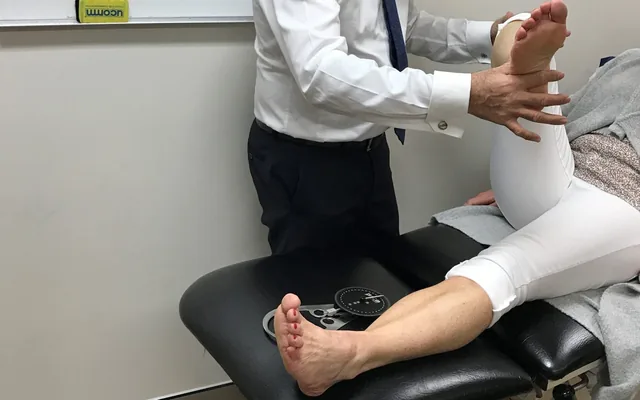
The Najjarine Biomechanical Assessment (NBA™) was developed by Dr Abbie Najjarine to find the reason behind pain that has no injury behind it. It has three parts.
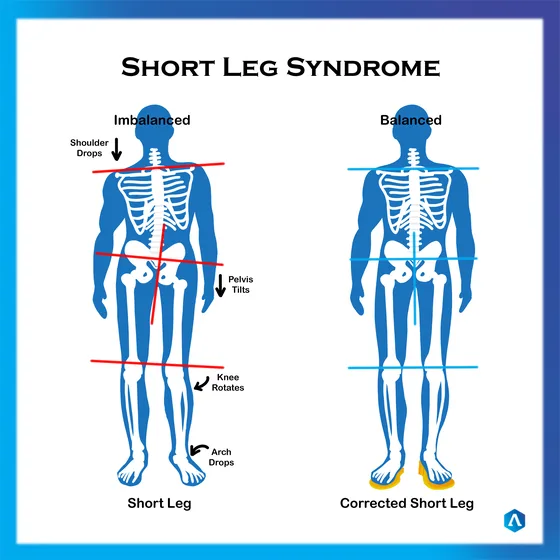
Assess, diagnose, treat
Seven measurements of how your legs and feet are built and how they move.
A biomechanical diagnosis: not just what hurts, but why it hurts.
A plan aimed at that cause, then at easing the symptoms.
Think of a cracked wall. Patching the crack does not help if a tree root is lifting the foundation. The NBA looks for the foundation.
Which muscles have tightened or weakened to compensate, twists in the shin or thigh bone, a structural or functional leg length difference, and how the rear and front of the foot affect the rest of the body.
Biomechanics is prescribed against a diagnosis, never against a symptom. That is what the Najjarine Biomechanical Assessment is for.
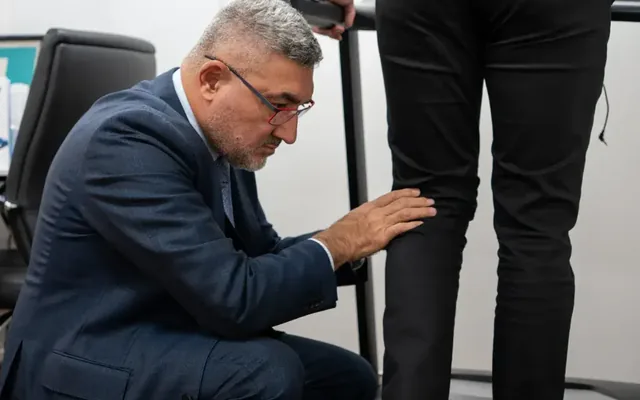
We examine your alignment from the feet up, and watch how you move under load rather than only at rest.
We identify the structural or muscular irregularity causing the pain, and show you what we found before anything is prescribed.
Treatment is then prescribed against that diagnosis — orthotics, mobilisation, shockwave or a loading programme, depending on what the assessment showed.
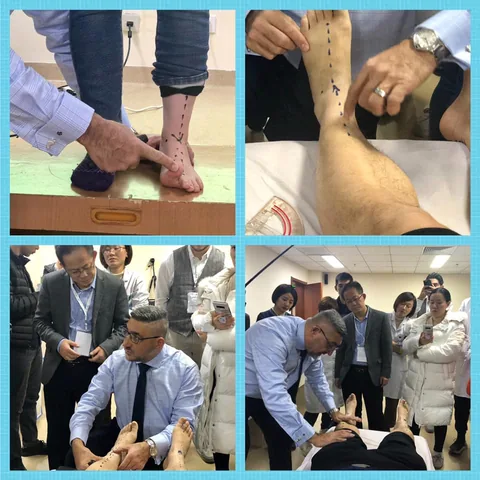
Find out whether biomechanics is the right call for your pain.
Every condition we treat, starting with the ones biomechanics is most often used for. Choose yours to see the assessment and the treatment.
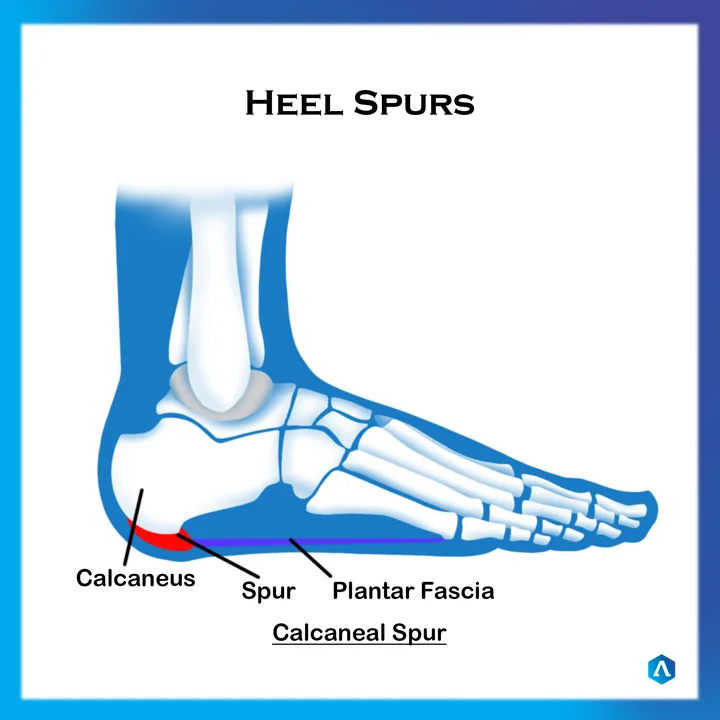
Including first-step pain in the morning
Read more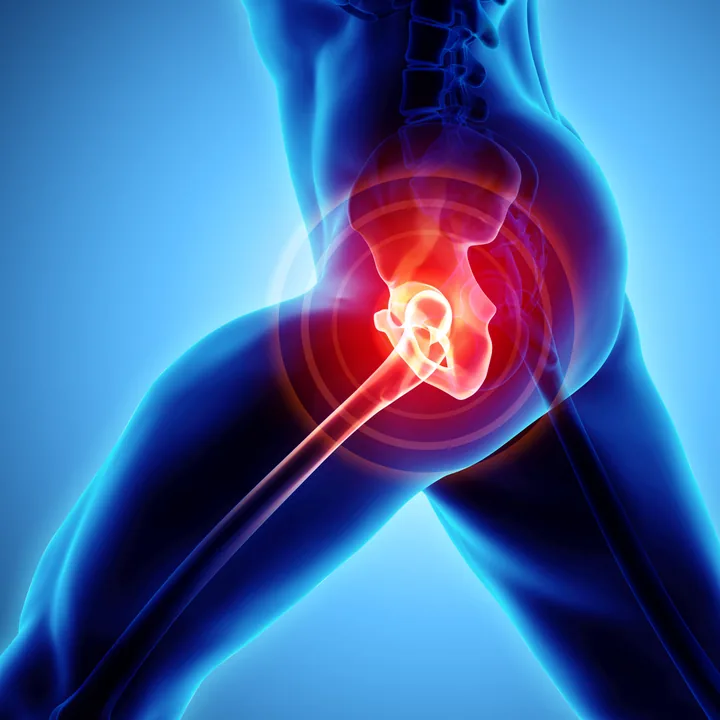
Where the cause sits below the knee
Read more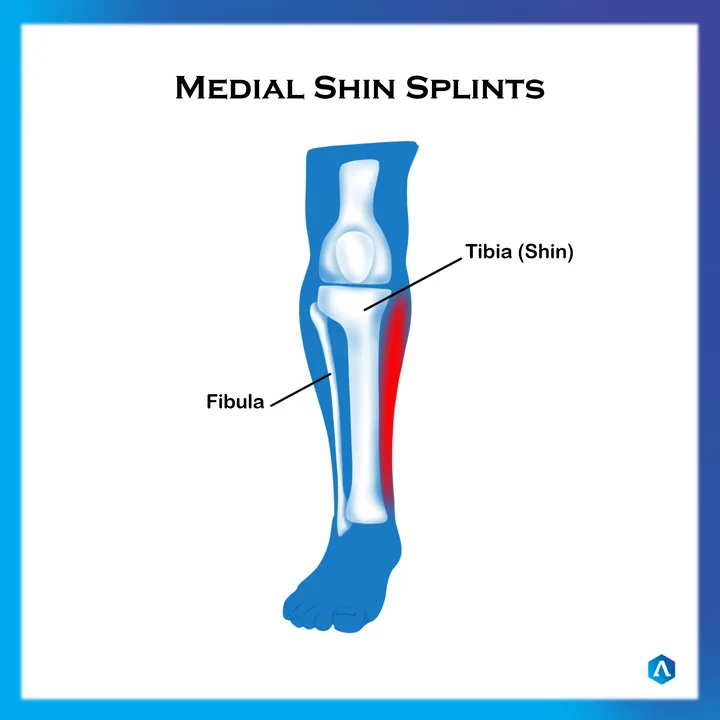
Pain along the shin with activity
Read more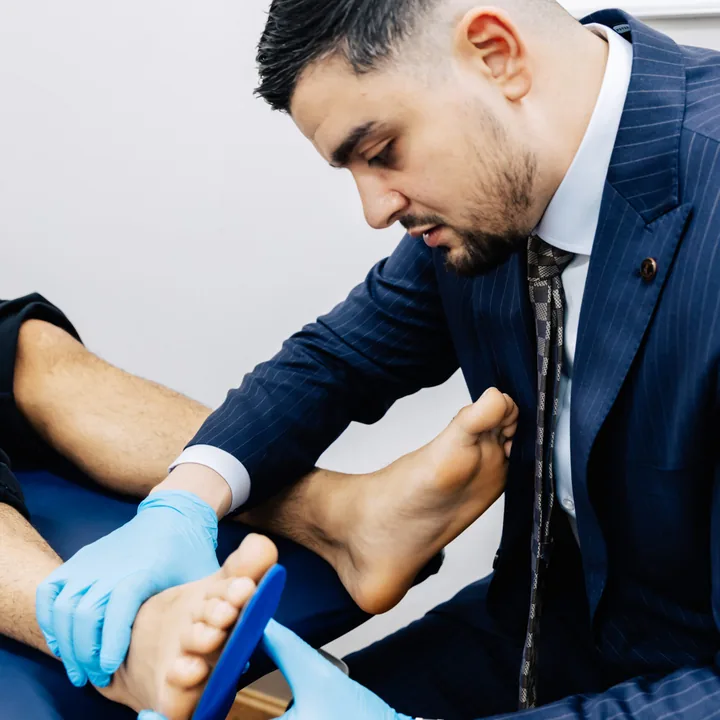
Fallen arches in children and adults
Read more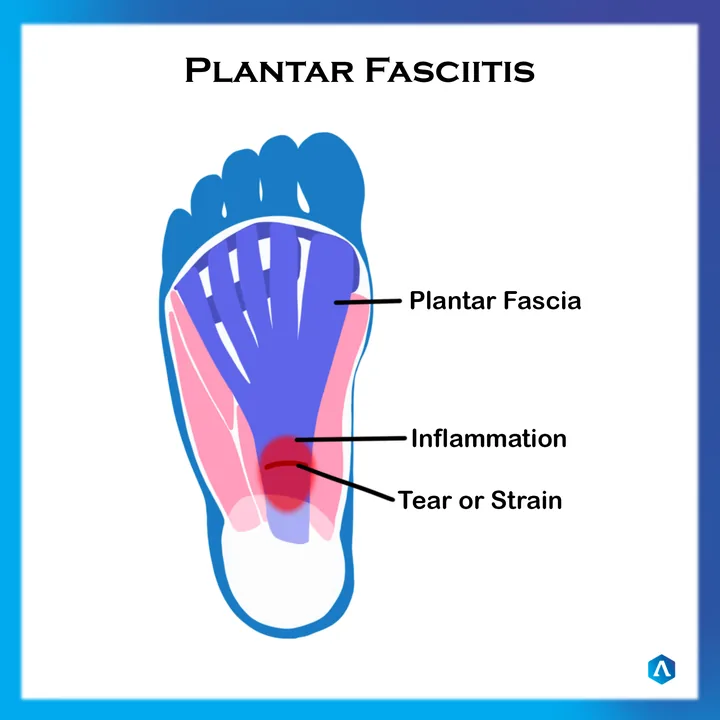
Arch and heel pain under load
Read more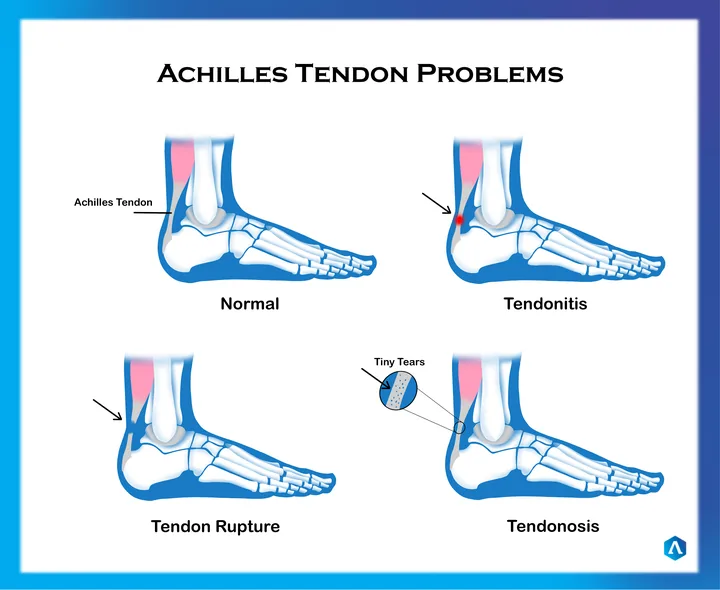
Tendon pain and tendonitis
Read more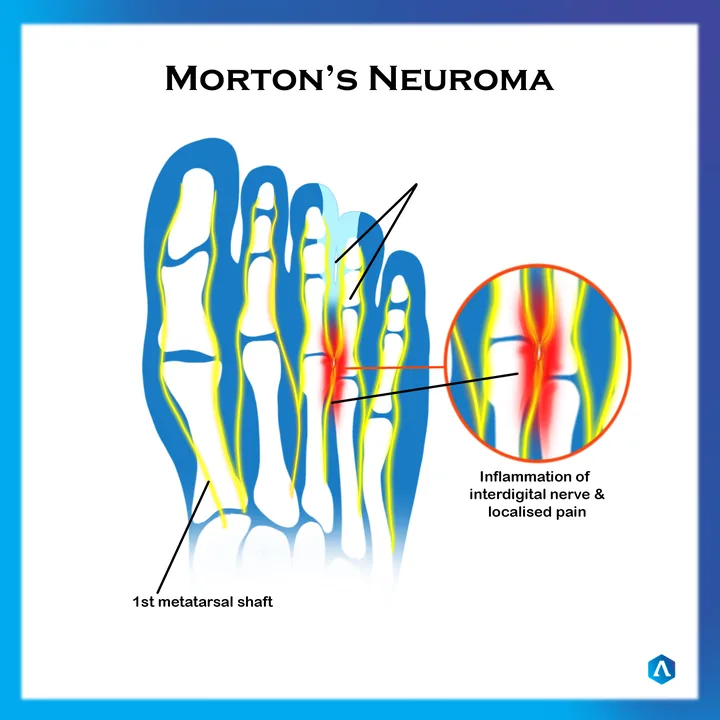
Including Morton’s neuroma
Read more
Overuse injury and return to sport
Read more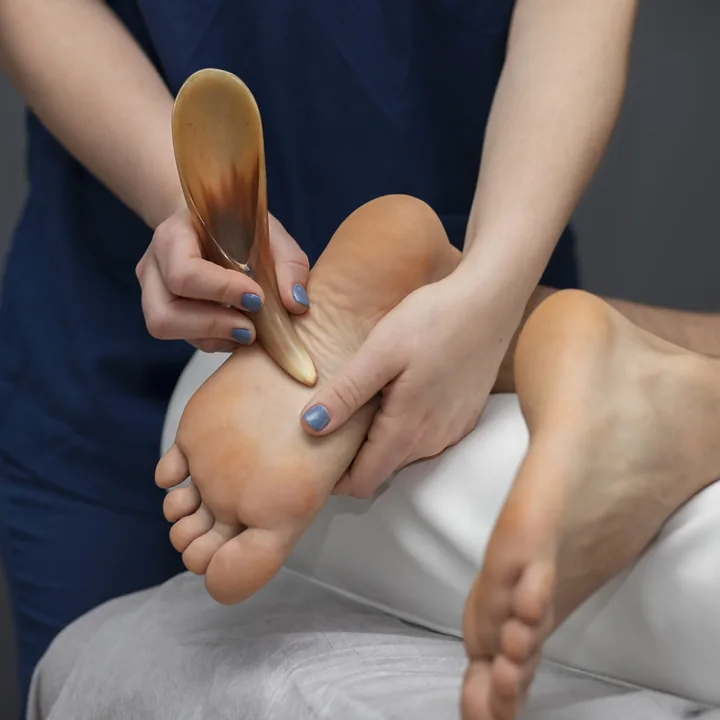
Routine and recurrent
Read more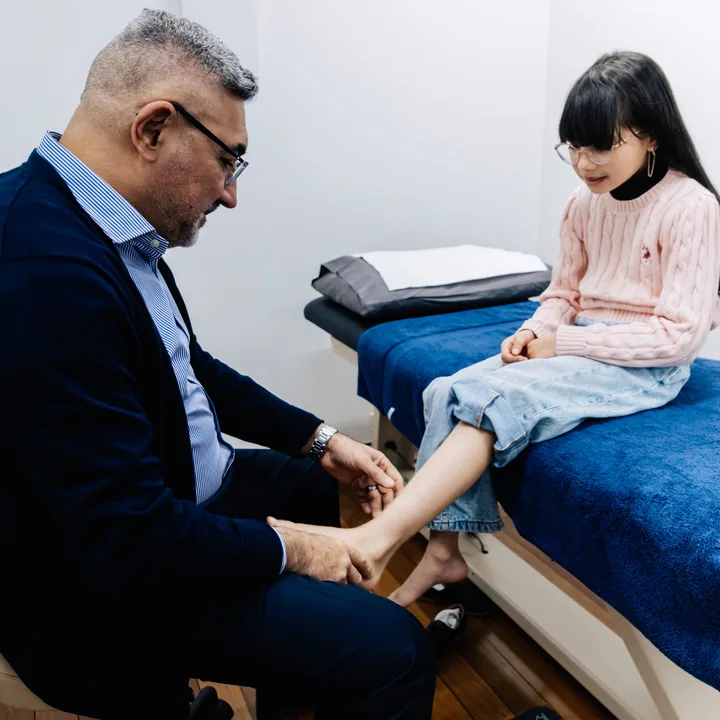
In-toeing gait in children
Read more
Out-toeing gait in children
Read more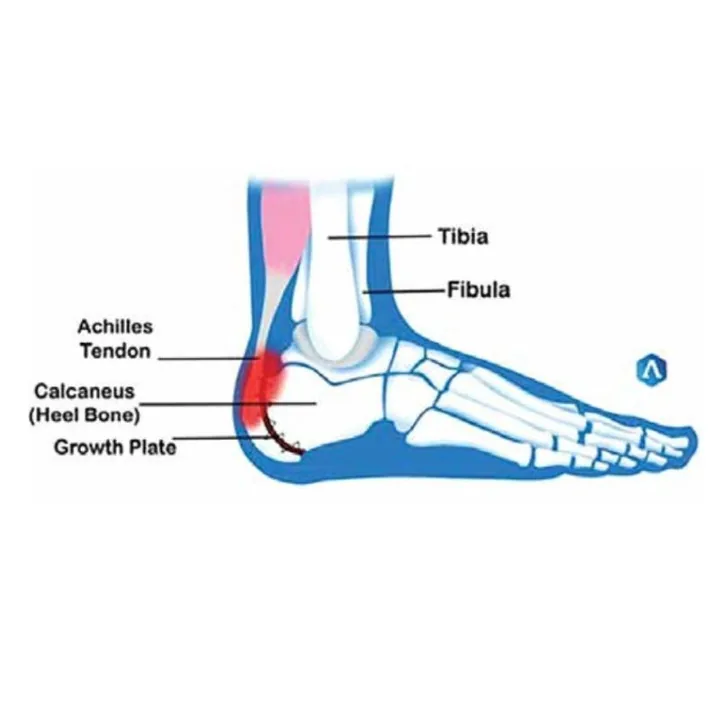
Heel pain in children 8 to 14
Read more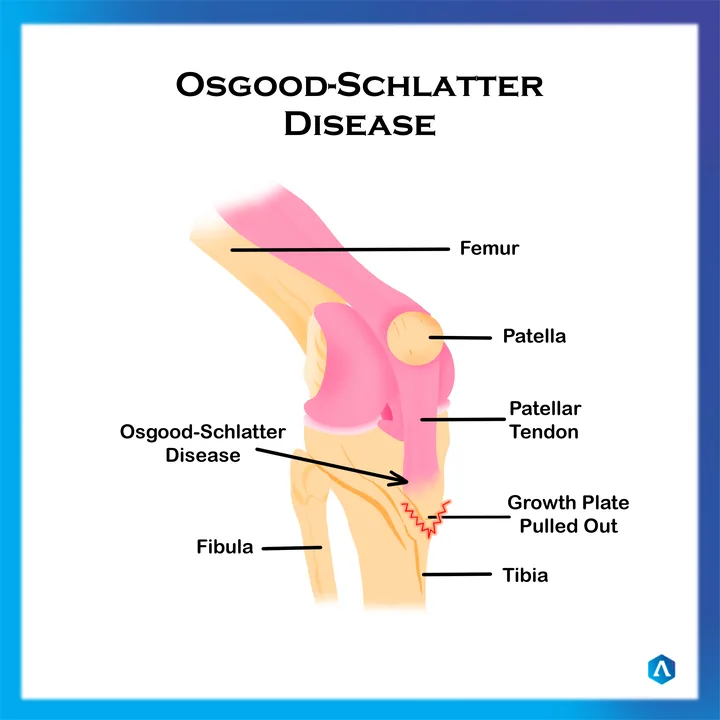
Knee pain in teenagers 13 to 17
Read more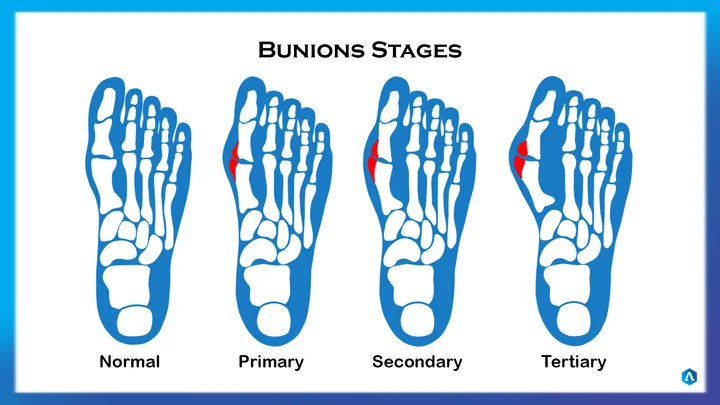
The big toe drifting across
Read more
Knees apart in children and adults
Read more
Knees together, ankles apart
Read moreAvailability varies by clinic. Call the clinic nearest you before you book if this is the treatment you are after.
It is the assessment method developed by our founder, Dr. Abbie Najjarine. It assesses alignment from the feet up and originates in engineering principles, so treatment is prescribed against a diagnosis rather than a symptom.
Allow about 45 minutes for a first appointment. That covers the assessment, the diagnosis and an explanation of the plan.
No. Podiatry is a primary contact profession in Australia, so you can book directly. If you are on a Medicare care plan your GP will refer you, and we can bill that.
Not necessarily. Orthotics are one of ten treatments and are only prescribed if the assessment shows they are the right answer.
Bring the shoes you wear most, and any previous orthotics, scans or reports. Wear or bring shorts if your knees or hips are involved.

First appointment anywhere that looked at my hips as well as my feet. Turned out that was the whole problem.
Showed me on screen what my gait was doing and why it hurt where it did. No guesswork and no upsell.
Thorough is the word. Took the time to explain what they found before anything was prescribed.
Treating lower limb pain since 1990
Choose your clinic and book straight into its diary, or call and we will point you to the right practitioner.