





What it is aiming for
Like dry needling, it deliberately triggers the body’s own inflammatory repair response in tissue that has stopped healing on its own.
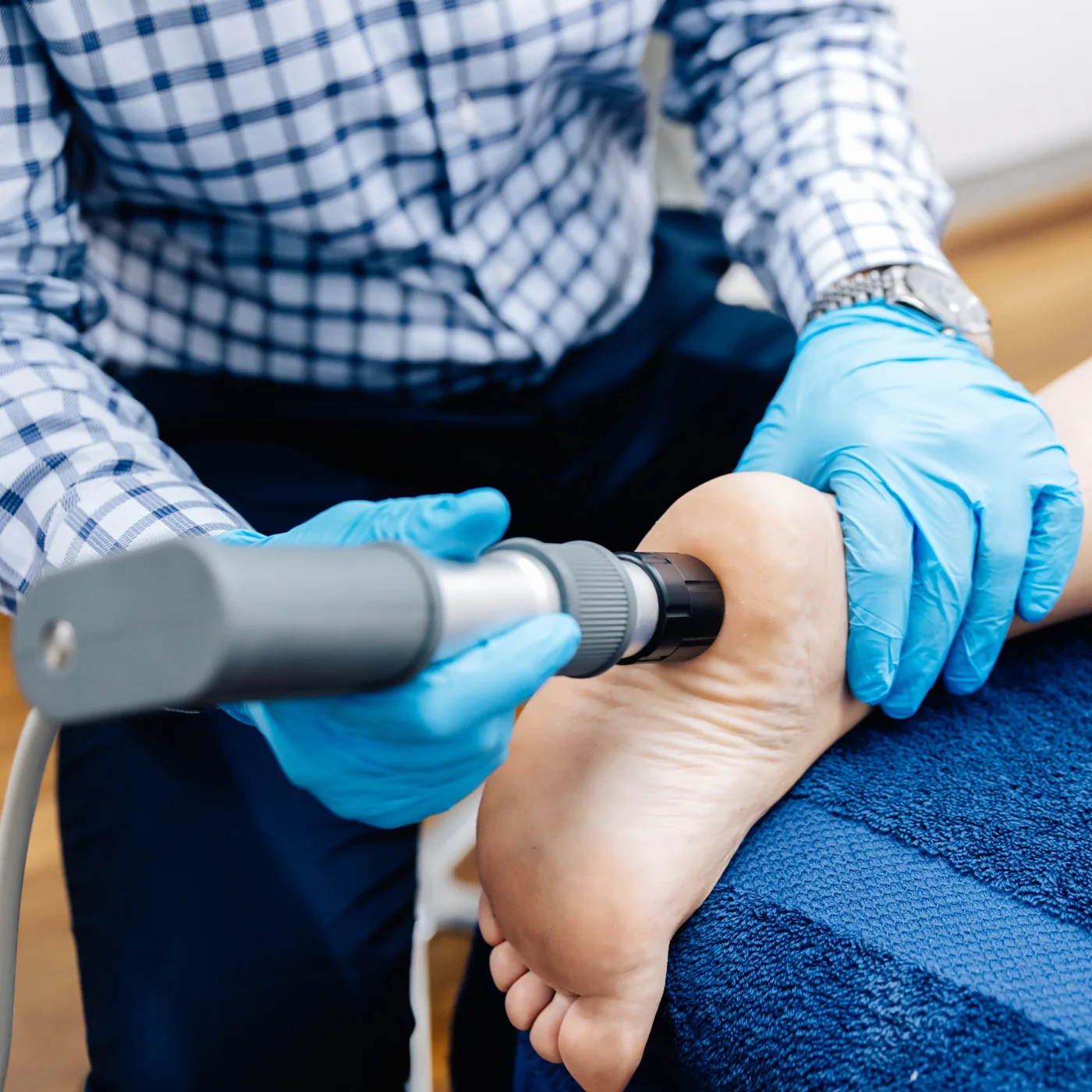
Acoustic waves using kinetic energy to stimulate repair in tendon and soft tissue. We use it most often for persistent heel pain and Achilles pain.
Trusted by patients from Sydney to Narrabri




Shockwave delivers pulses of acoustic energy through the skin to the tissue underneath. The intention is to provoke the body’s own repair response in tissue that has stopped settling on its own.
It is usually considered for pain that has persisted despite rest, footwear changes and load management — most commonly under the heel or in the Achilles tendon. Whether it suits you is decided at the assessment, not before.
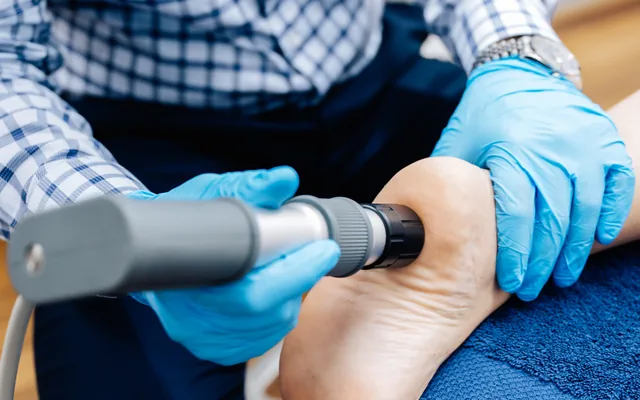
Shockwave uses acoustic waves driven by compressed air to deliver kinetic energy into the tissue, much like a small hand-held jackhammer.
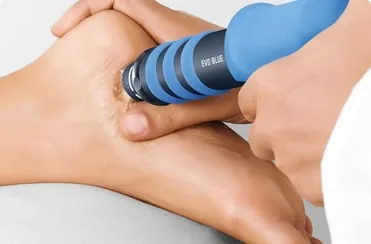
Like dry needling, it deliberately triggers the body’s own inflammatory repair response in tissue that has stopped healing on its own.
It works on both. It aims to reduce long-term inflammation, improve collagen, release trigger points and break down adhesions.
For both recent and long-standing problems, including plantar fasciitis, heel spurs, Achilles pain, shin splints and knee pain.
It is aimed at the area that hurts, alongside orthotics that address why that area was overloaded.
Shockwave Therapy is prescribed against a diagnosis, never against a symptom. That is what the Najjarine Biomechanical Assessment is for.
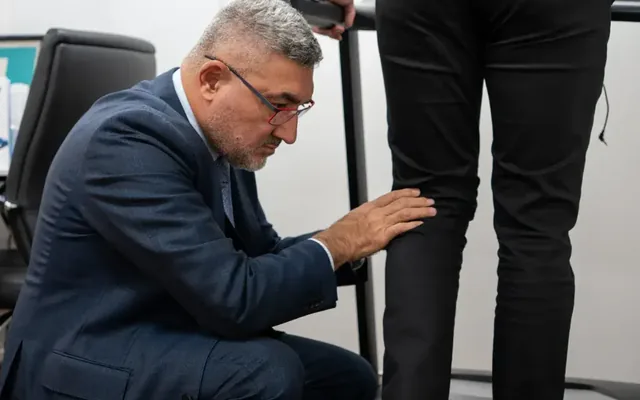
A full biomechanical examination establishes what is loading the tissue and why. Shockwave treats the painful tissue; the assessment works out what put the load there.
If shockwave is appropriate, the applicator is worked over the area for a few minutes. No anaesthetic is needed and you can walk out and drive.
Shockwave is rarely used alone. It is normally paired with orthotic therapy, footwear changes or a loading programme so the cause is addressed as well.
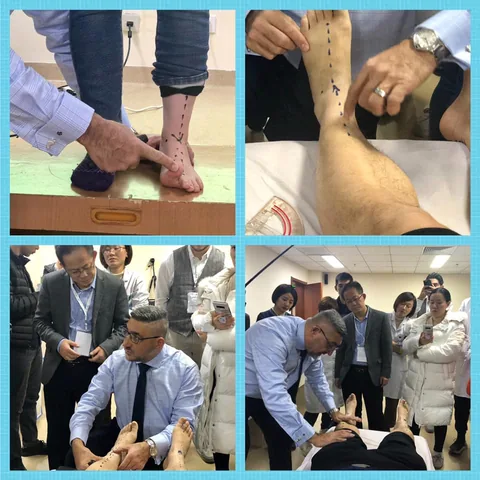
Find out whether shockwave therapy is the right call for your pain.
Every condition we treat, starting with the ones shockwave therapy is most often used for. Choose yours to see the assessment and the treatment.
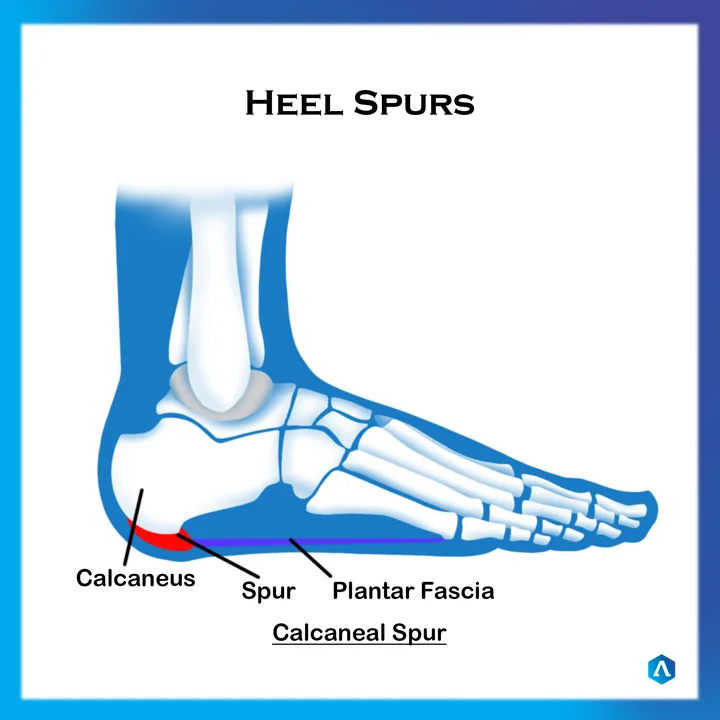
Including first-step pain in the morning
Read more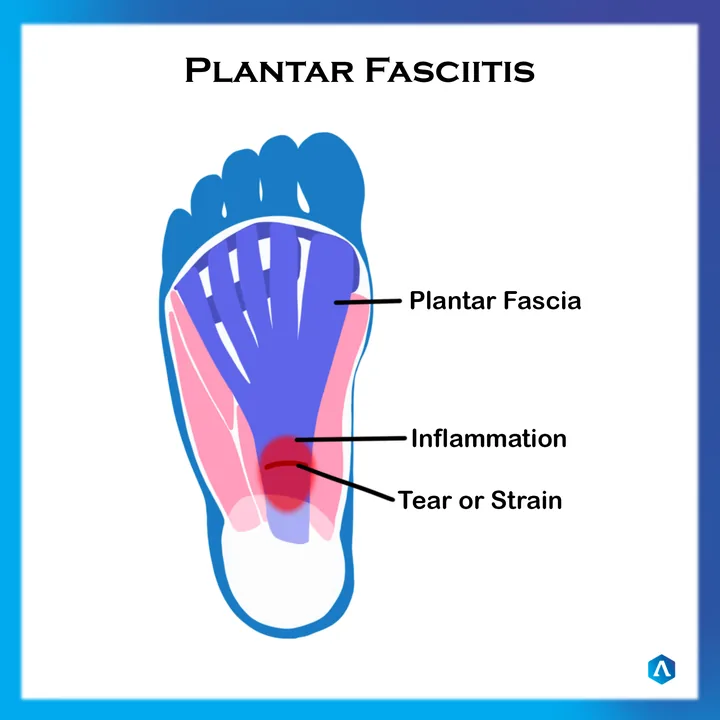
Arch and heel pain under load
Read more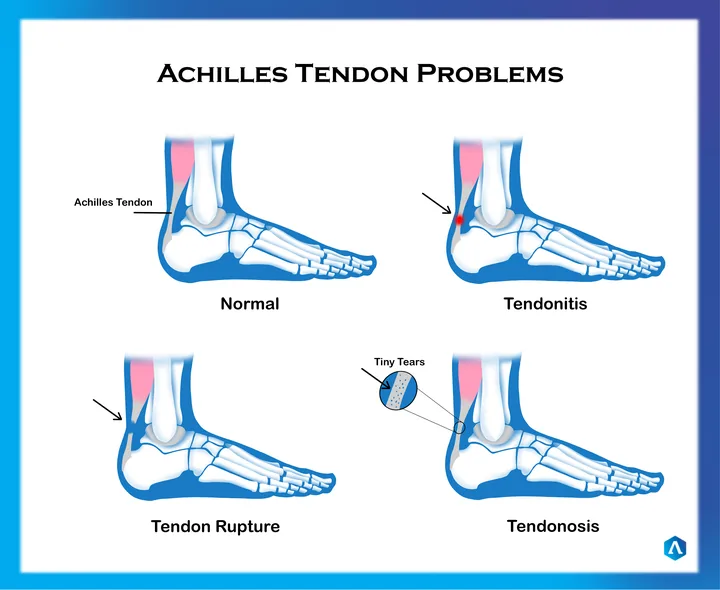
Tendon pain and tendonitis
Read more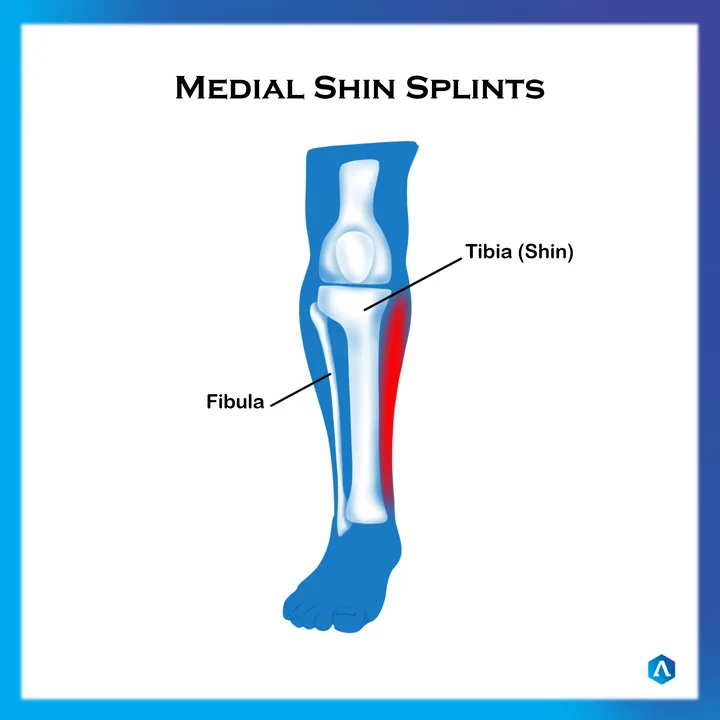
Pain along the shin with activity
Read more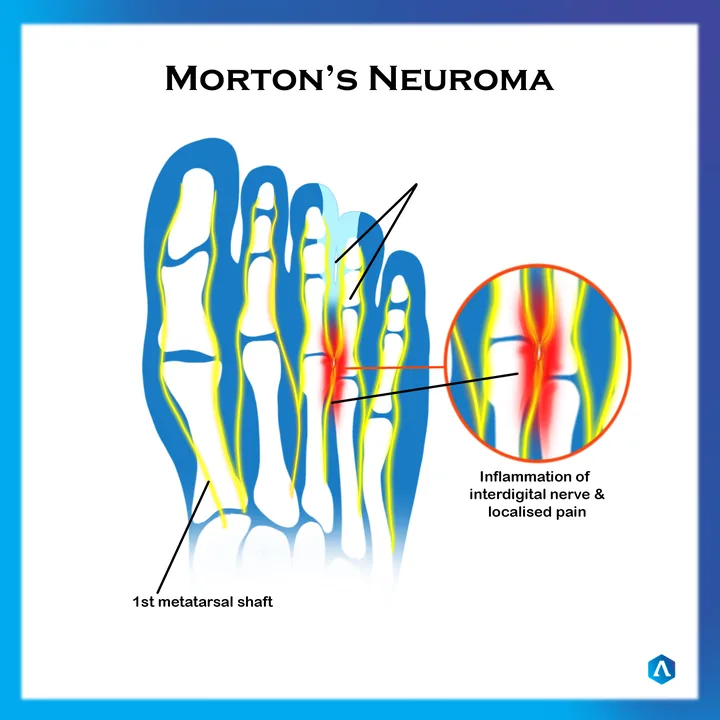
Including Morton’s neuroma
Read more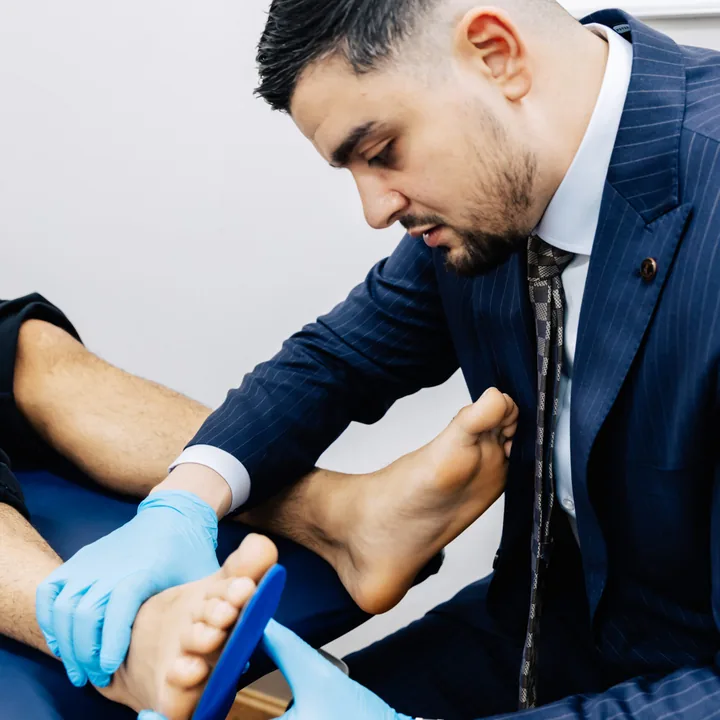
Fallen arches in children and adults
Read more
Overuse injury and return to sport
Read more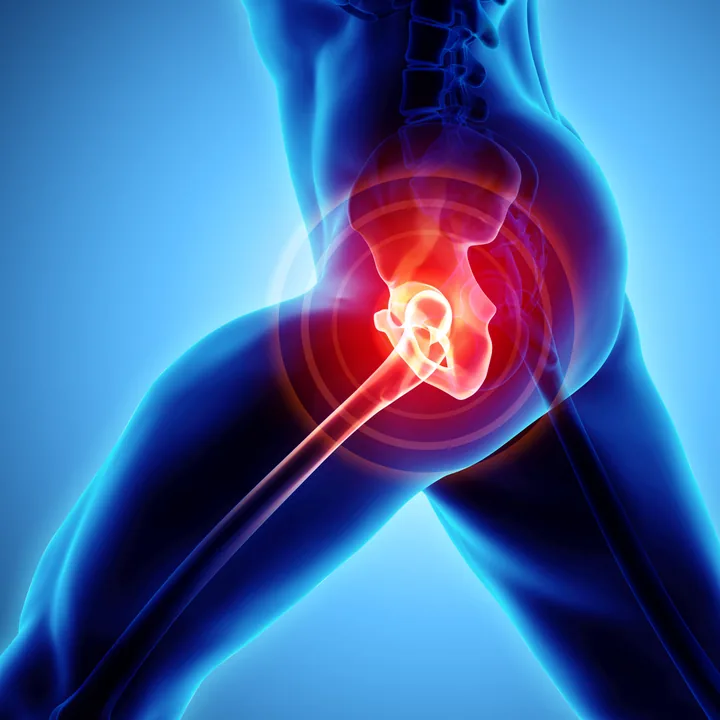
Where the cause sits below the knee
Read more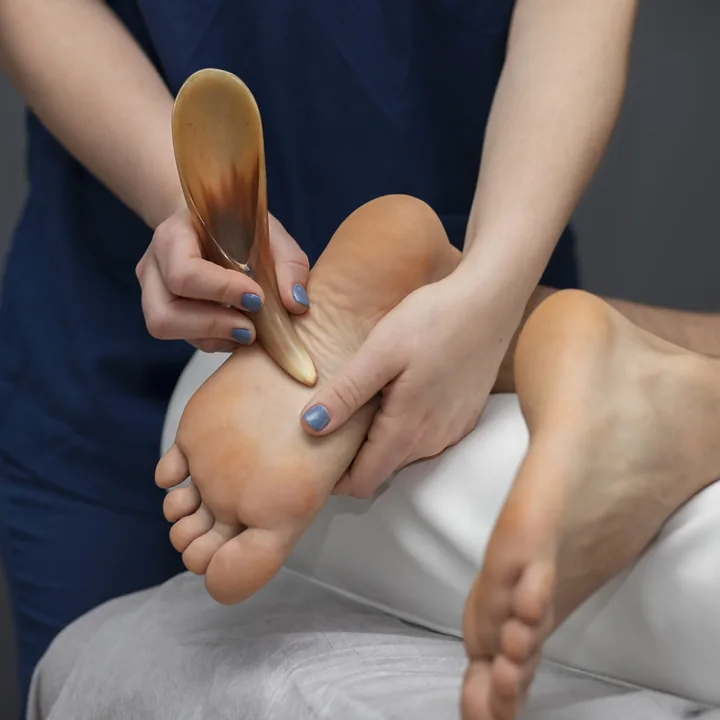
Routine and recurrent
Read more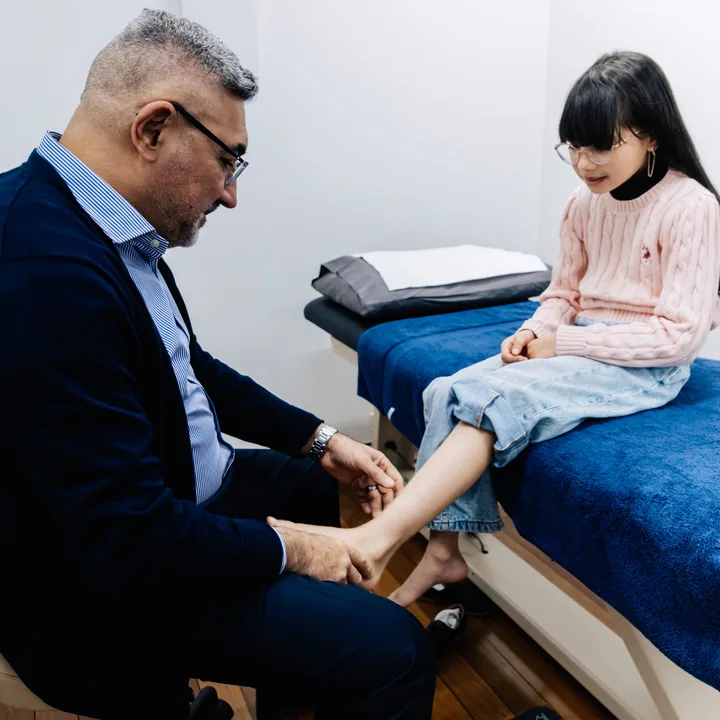
In-toeing gait in children
Read more
Out-toeing gait in children
Read more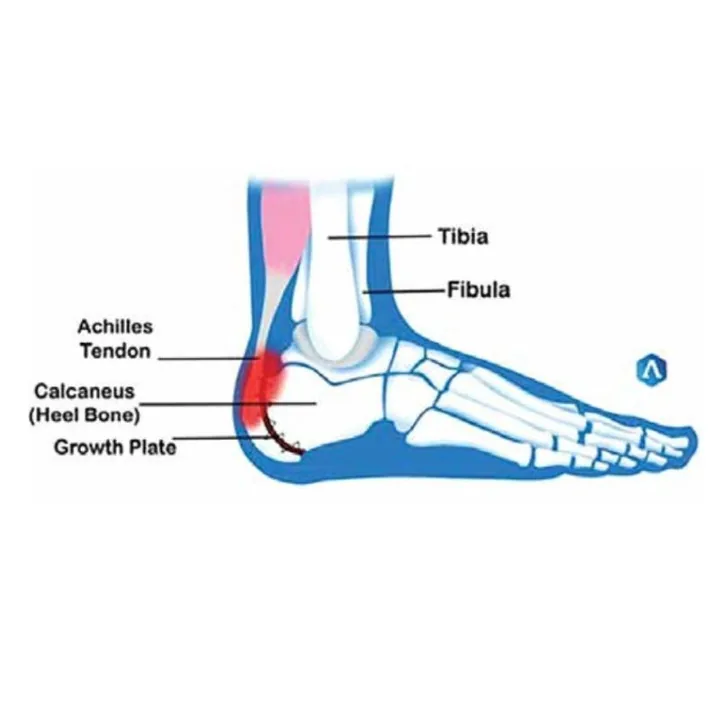
Heel pain in children 8 to 14
Read more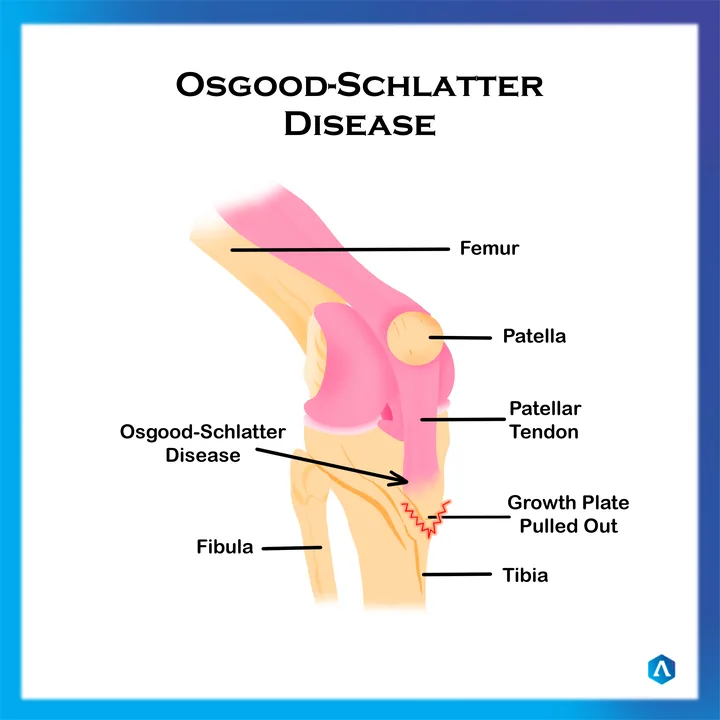
Knee pain in teenagers 13 to 17
Read more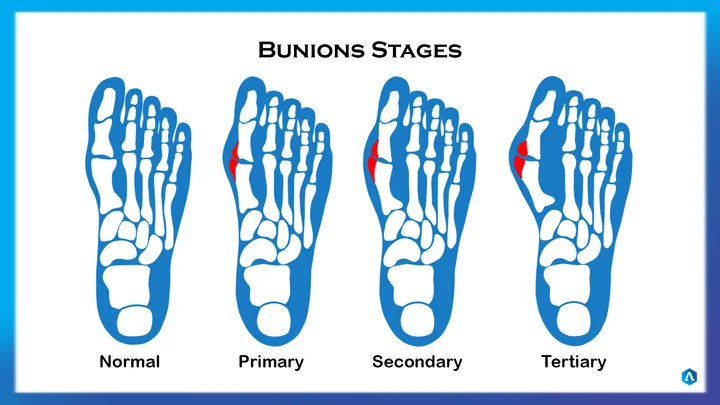
The big toe drifting across
Read more
Knees apart in children and adults
Read more
Knees together, ankles apart
Read moreAvailability varies by clinic. Call the clinic nearest you before you book if this is the treatment you are after.
Most patients describe it as uncomfortable rather than painful, and the intensity is adjusted during the session. No anaesthetic is used.
That is decided at your assessment and depends on how long the problem has been there. Your podiatrist will tell you before you commit to a course.
Yes. There is no recovery period and no anaesthetic, so you can leave and drive straight away.
Shockwave is available at selected clinics. Call the clinic nearest you, or check the clinic list below, before you book.
No. Podiatry is a primary contact profession in Australia, so you can book directly. If you are on a Medicare care plan your GP will refer you, and we can bill that.

Six months of heel pain and this was the first thing that shifted it. Uncomfortable but not painful.
Explained exactly what it does and what to expect before starting. Walked out and drove home.
Paired it with orthotics rather than selling me shockwave on its own, which is why I trusted the advice.
Treating lower limb pain since 1990
Choose your clinic and book straight into its diary, or call and we will point you to the right practitioner.