

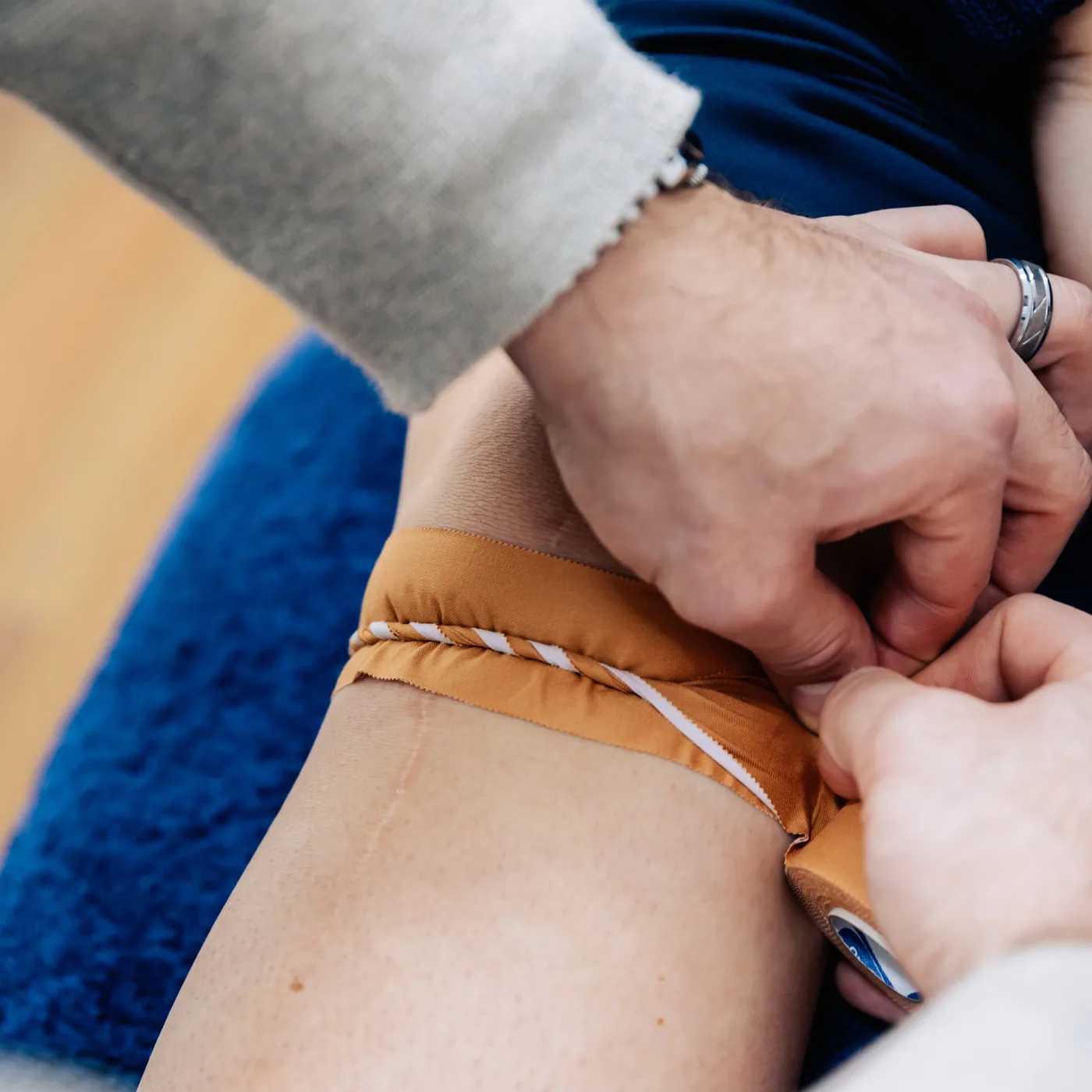





Prevention or short-term treatment
Strapping can protect against injury or give short-term support while other treatment takes effect.
Therapeutic support to offload tissue while it recovers.
Trusted by patients from Sydney to Narrabri




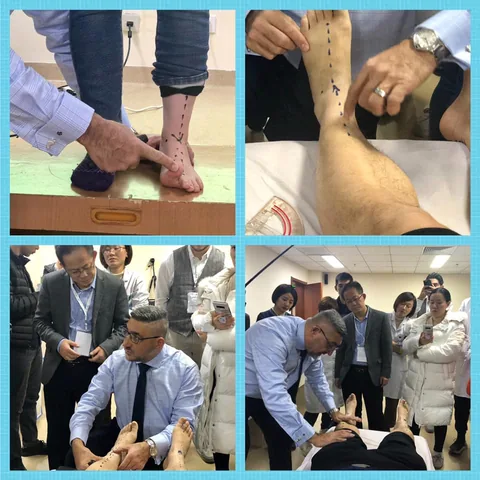
Strapping applies tape to change how load passes through the foot, taking it off the tissue that is painful while that tissue settles.
People who need support straight away, and people for whom strapping is a test: if taping the foot a certain way relieves the pain, that tells us something useful about what an orthotic would need to do.
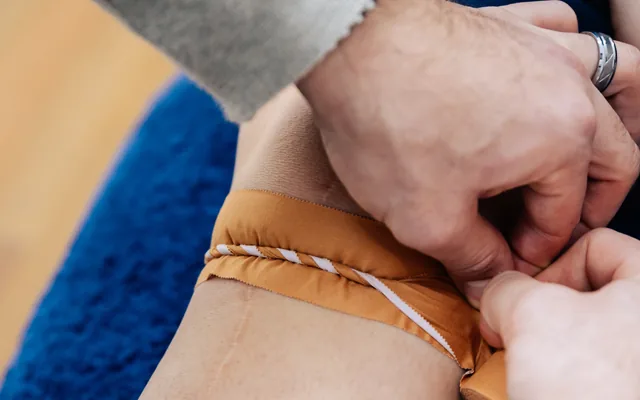
Strapping stimulates the nerve endings in the skin that sense pressure and position, improving how the body senses and controls the foot.
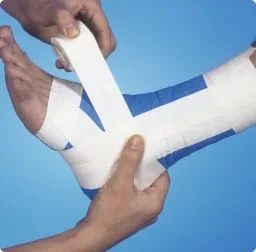
Four strapping techniques
A figure-8 under the foot for plantar fasciitis, heel spurs and Sever’s disease.
Supports ankle stability.
For knee pain around the kneecap.
For pain at the growth area below the kneecap.
Strapping can protect against injury or give short-term support while other treatment takes effect.
How your foot responds to strapping helps show how much correction an orthotic will need.
For a foot that rolls in, the tape starts on the outer side to pull against it. For a foot that rolls out, it starts on the inner side.
Foot Strapping is prescribed against a diagnosis, never against a symptom. That is what the Najjarine Biomechanical Assessment is for.
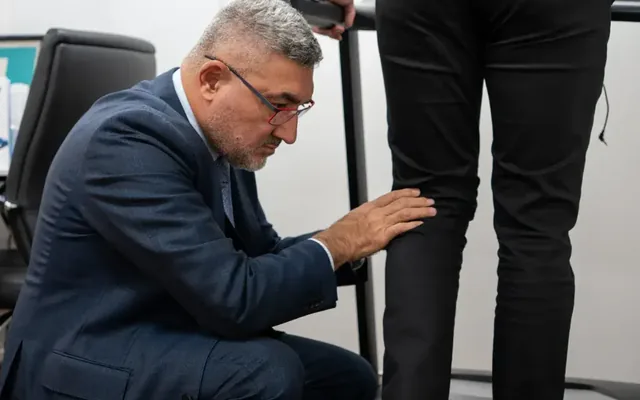
The assessment establishes which tissue is overloaded and which direction needs supporting.
Tape is applied to offload that tissue. You will usually know within a day or two whether it has helped.
Strapping is short-term by design. Where it works, it often points towards orthotic therapy as the longer-term answer.
Find out whether foot strapping is the right call for your pain.
Every condition we treat, starting with the ones foot strapping is most often used for. Choose yours to see the assessment and the treatment.
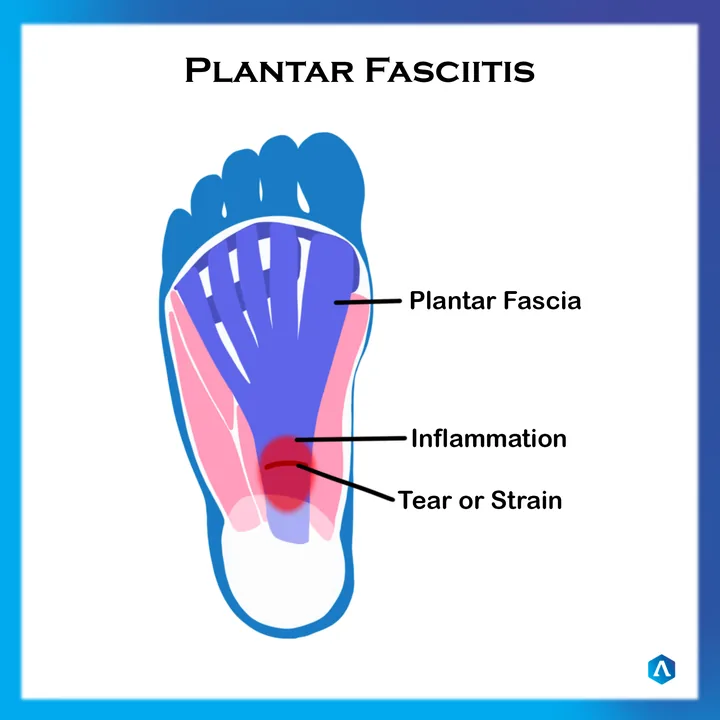
Arch and heel pain under load
Read more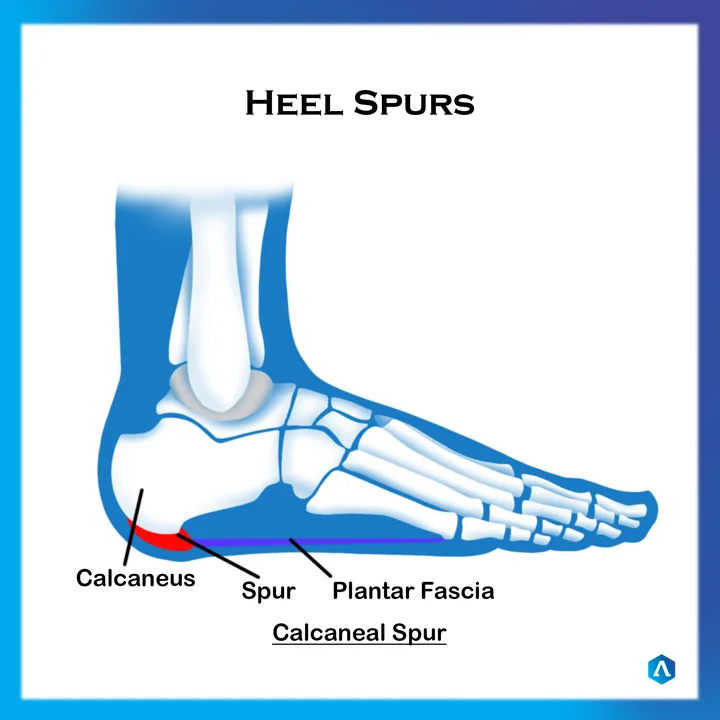
Including first-step pain in the morning
Read more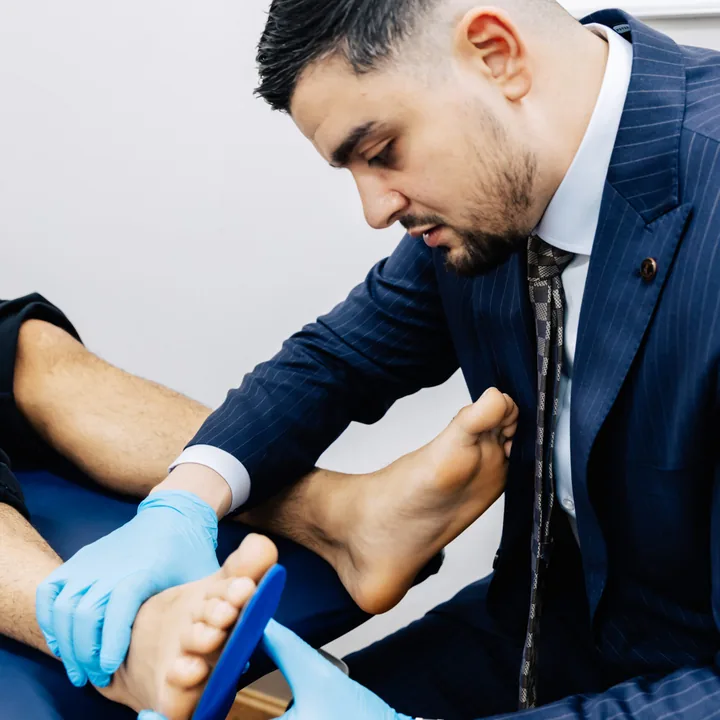
Fallen arches in children and adults
Read more
Overuse injury and return to sport
Read more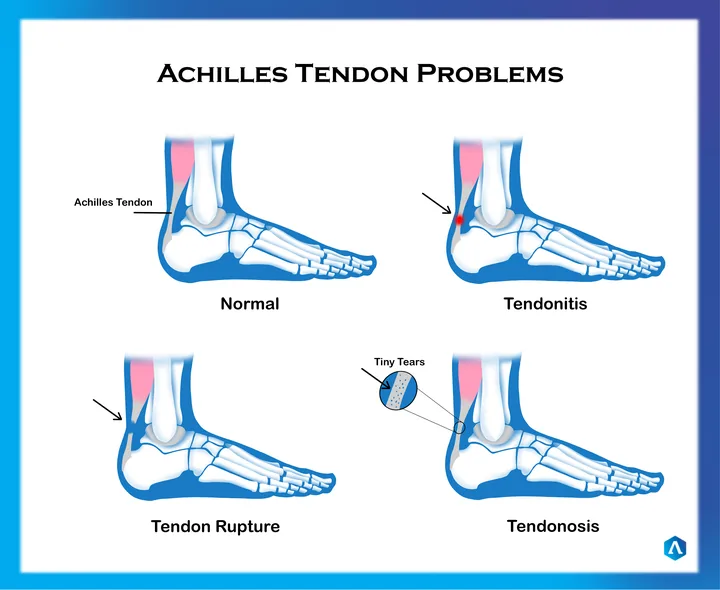
Tendon pain and tendonitis
Read more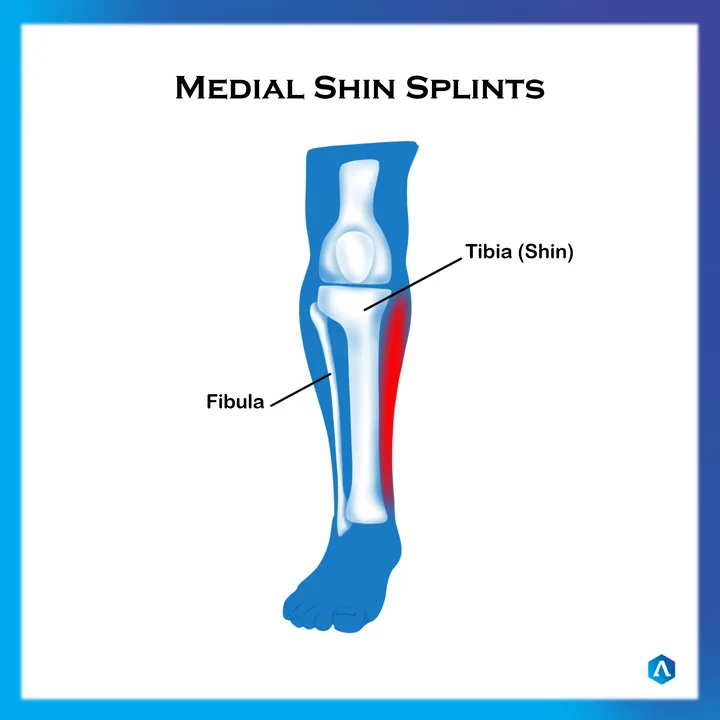
Pain along the shin with activity
Read more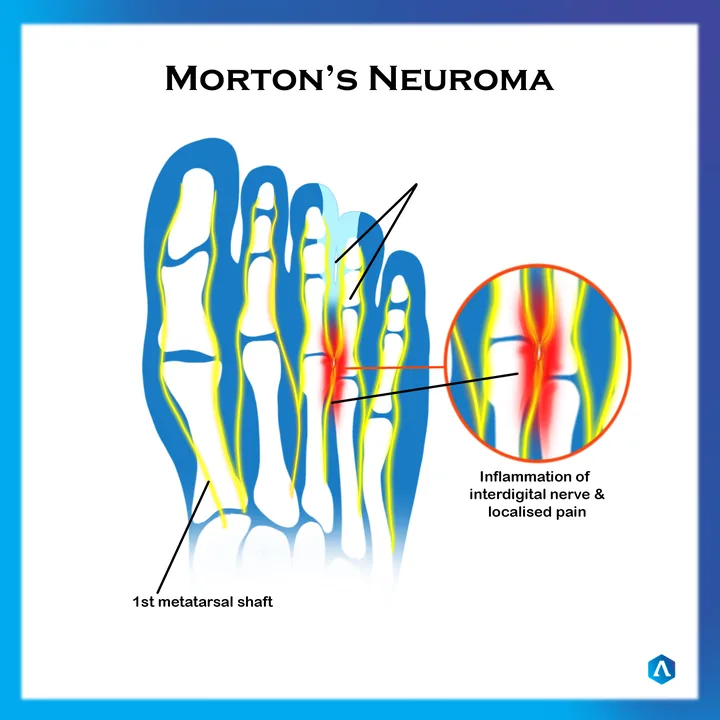
Including Morton’s neuroma
Read more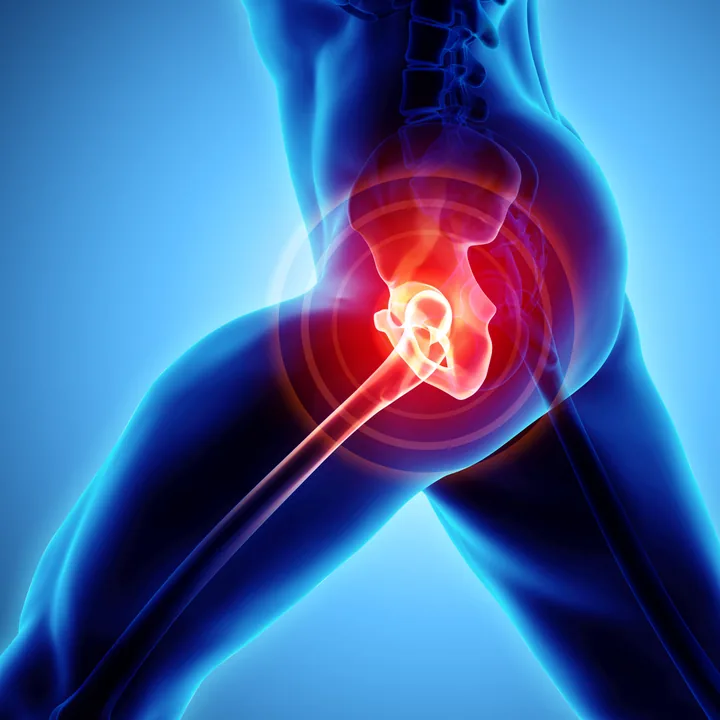
Where the cause sits below the knee
Read more
Routine and recurrent
Read more
In-toeing gait in children
Read more
Out-toeing gait in children
Read more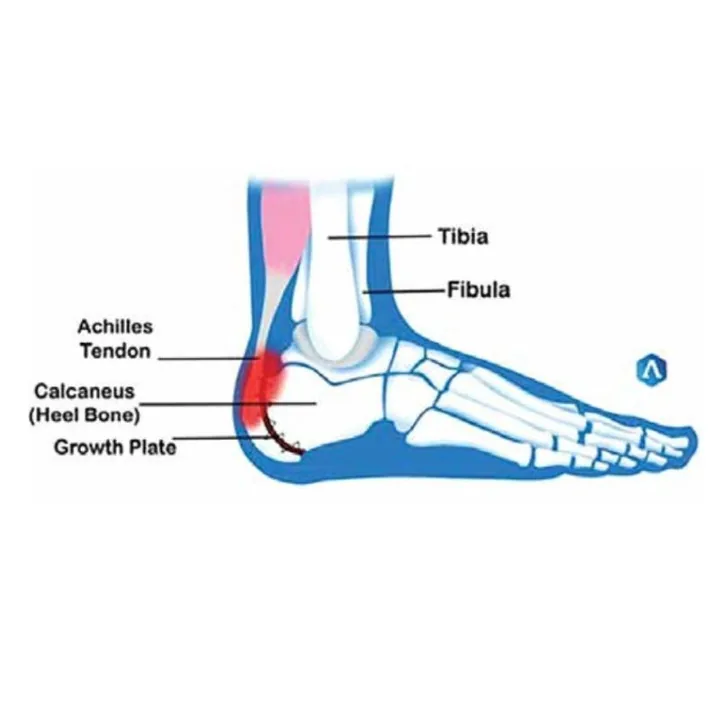
Heel pain in children 8 to 14
Read more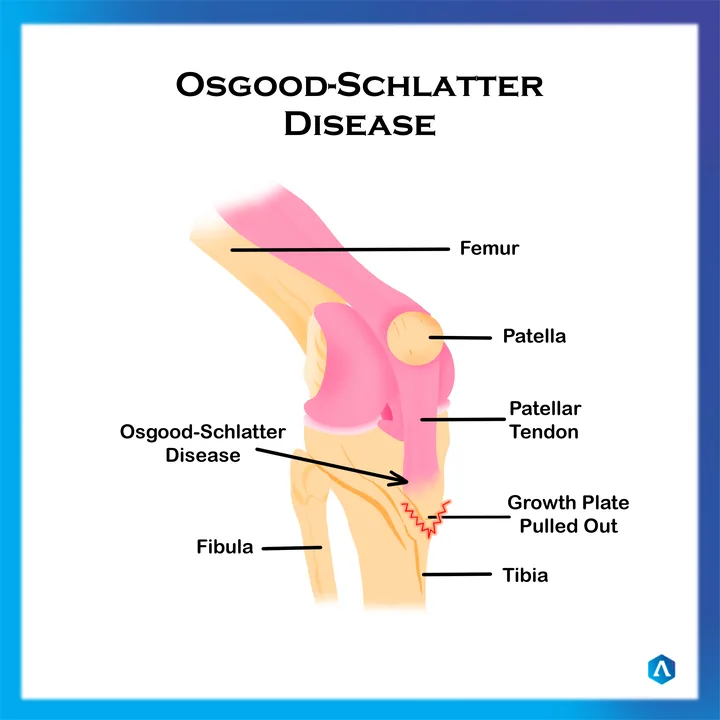
Knee pain in teenagers 13 to 17
Read more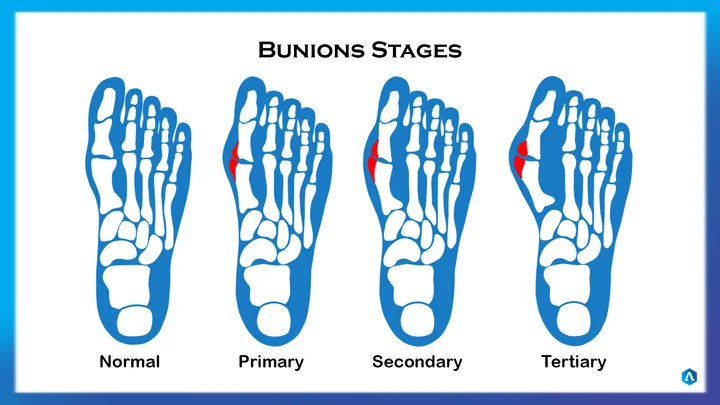
The big toe drifting across
Read more
Knees apart in children and adults
Read more
Knees together, ankles apart
Read moreAvailability varies by clinic. Call the clinic nearest you before you book if this is the treatment you are after.
Usually a few days. Your podiatrist will tell you when to remove it and what to watch for.
Ask your podiatrist — it depends on the tape used. Most strapping tolerates a shower if it is dried properly afterwards.
No, and it is not meant to be. It offloads tissue while it settles, and it helps confirm what a longer-term treatment would need to do.
Your podiatrist can show you a simple version. Getting the direction and tension right is what makes it work, and that comes from the assessment.
No. You can book directly. If you are on a Medicare care plan your GP will refer you, and we can bill that.

Taped it and I knew within a day it had helped. That told them what the orthotic needed to do.
Immediate relief while we waited on the longer-term plan.
Showed me a simple version to do myself between appointments.
Treating lower limb pain since 1990
Choose your clinic and book straight into its diary, or call and we will point you to the right practitioner.