

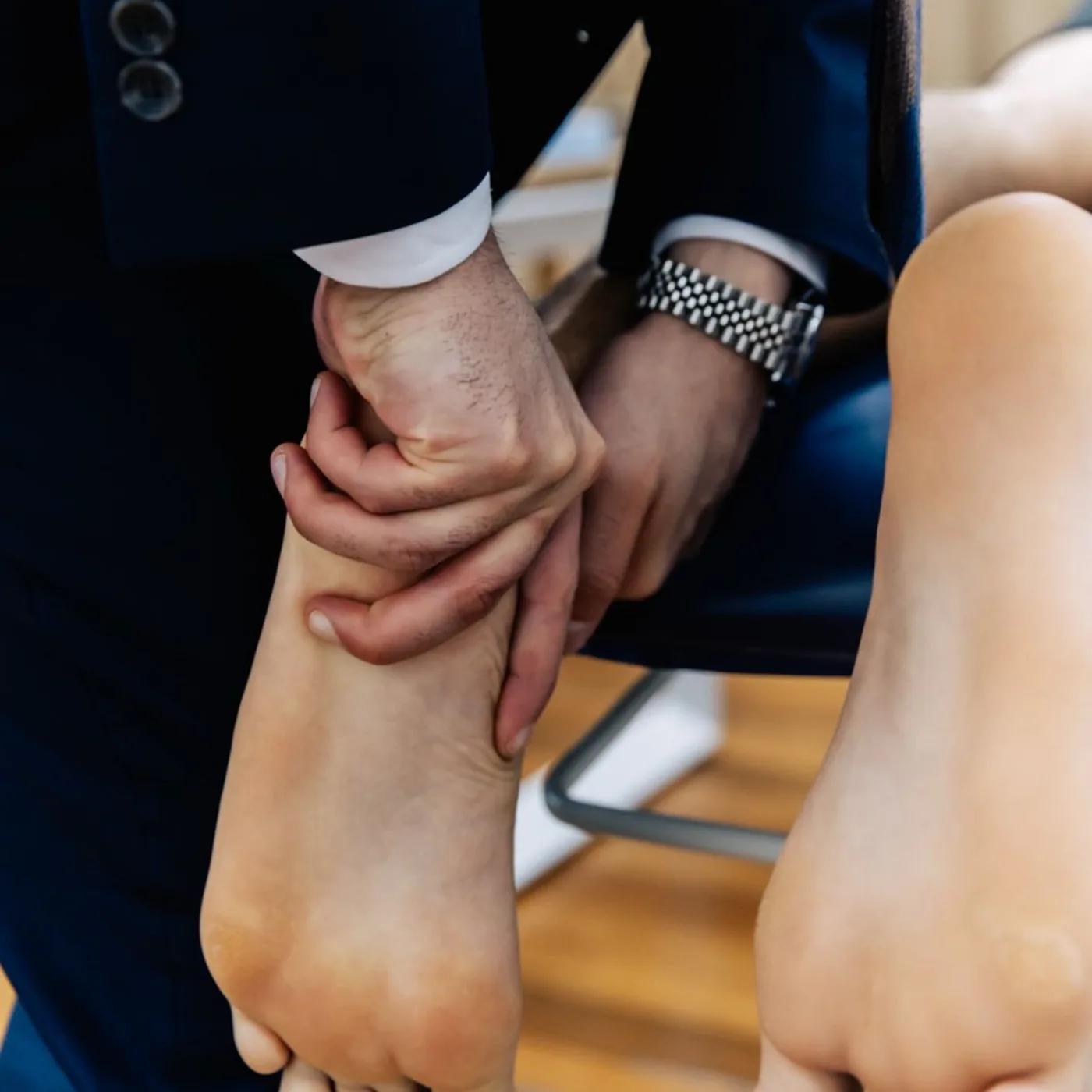





What is actually happening
When the foot rolls in too far, the arch drops and the foot lengthens. That stretches the fascia at its heel attachment on every step. Overnight it is not under load, which is why getting out of bed hurts most.
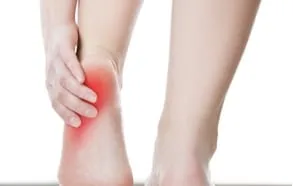
Pain along the arch and into the heel, usually worst first thing in the morning and after sitting.
Trusted by patients from Sydney to Narrabri



If this sounds like your pain, there is a structural reason for it. The assessment is what finds it.
Pronation elongates the plantar fascia. As the foot rolls in and the arch drops, the fascia is stretched on every step, and that repeated stretching causes micro-tears at the base of the heel, where it attaches. How much load it takes, and from which direction, depends on foot alignment, a change in activity or footwear, and the way the leg above is working.
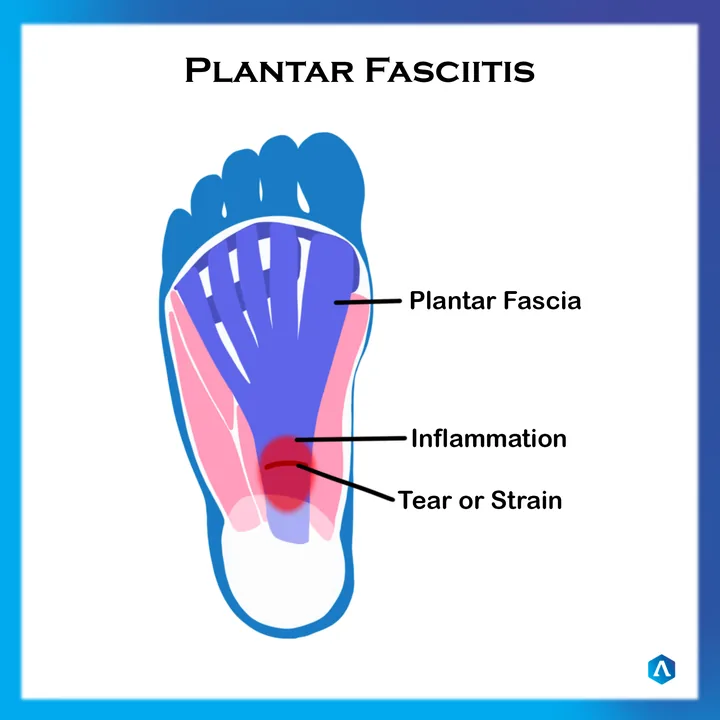
The plantar fascia is a band of tissue running from the heel bone to the ball of the foot. Plantar fasciitis is what happens when it is repeatedly over-stretched at its attachment on the heel.
How it progresses
Constant, repetitive strain causes tiny tears and inflammation where the fascia attaches to the heel.
The body lays down thickening and scar tissue. There is usually no longer inflammation, and it becomes harder to treat.
A small bony growth forms at the attachment.
When the foot rolls in too far, the arch drops and the foot lengthens. That stretches the fascia at its heel attachment on every step. Overnight it is not under load, which is why getting out of bed hurts most.
The fascia has inner, central and outer bands. Inner heel pain is linked with rolling in, outer heel pain with rolling out, and centre heel pain with both.
If one leg is longer, that foot may roll in more to level the body up, straining the inner heel. The plan can then include raising the shorter leg, not just supporting the arch.
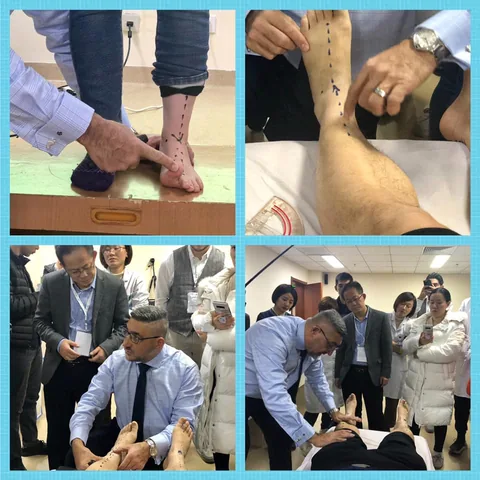
Plantar Fasciitis is diagnosed with the Najjarine Biomechanical Assessment, so treatment is prescribed against a finding rather than a symptom.
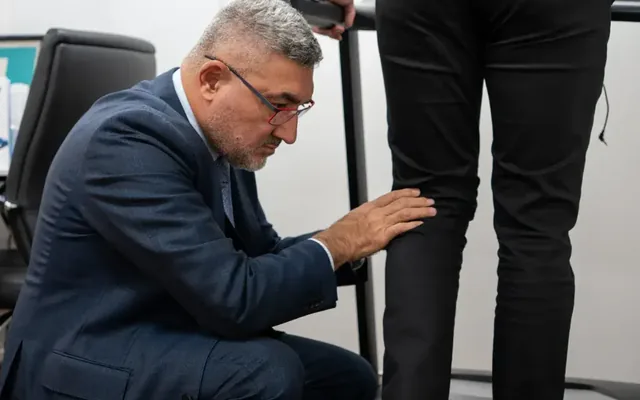
We look at how the arch loads when you walk rather than only at rest, because the fascia is loaded as you move.
We identify what is increasing that load and explain what we found before anything is prescribed.
Treatment is matched to the finding, which is why the plan differs between two people with the same diagnosis.
Find out what is actually causing your plantar fasciitis.
All ten treatments, starting with those most often used for plantar fasciitis. Which you need is decided at the assessment; most plans combine more than one.
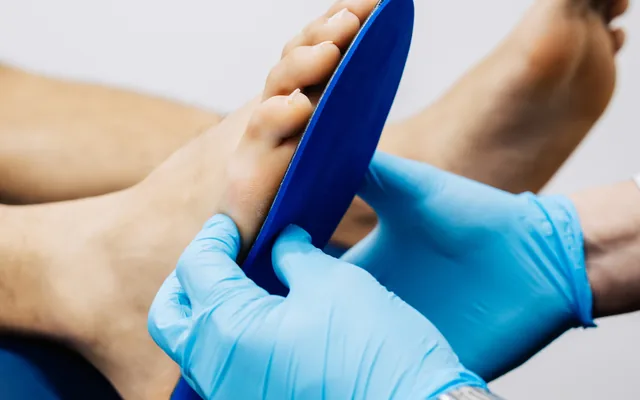
Prescribed devices that change how your foot meets the ground. Manufactured on site at our Kirrawee head office.
Read more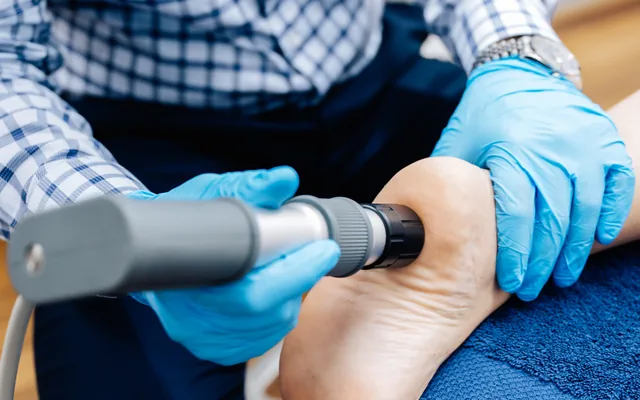
Acoustic waves using kinetic energy to stimulate repair in tendon and soft tissue. We use it most often for persistent heel pain and Achilles pain.
Read more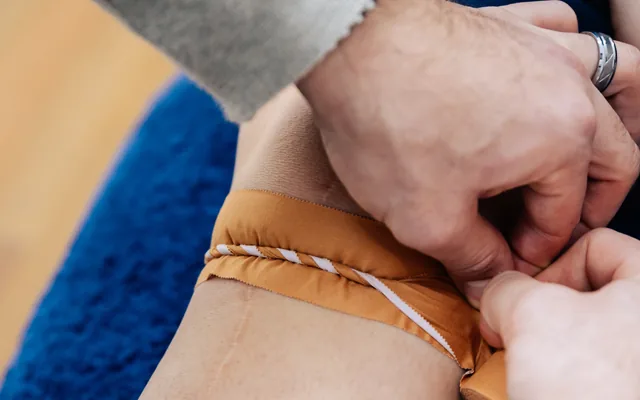
Therapeutic support to offload tissue while it recovers.
Read more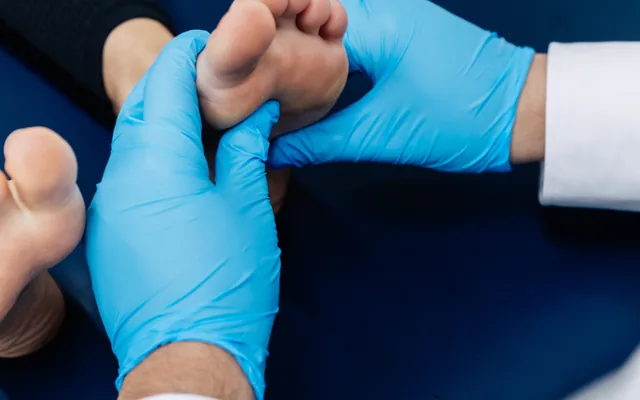
Hands-on work addressing restrictions across the foot’s 26 bones.
Read more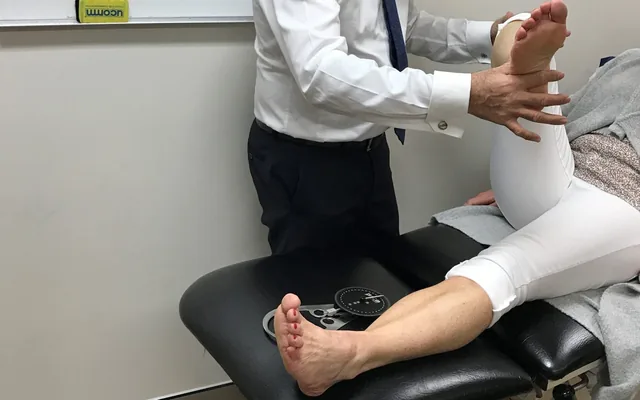
A full lower limb assessment from the feet up. It is the foundation of every treatment plan we prescribe.
Read more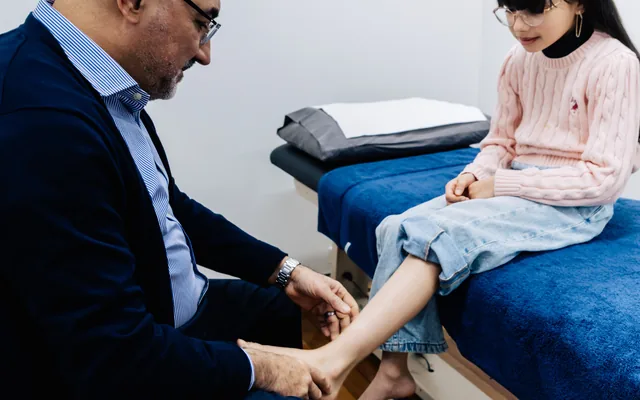
Pigeon toe, flat feet and growing pains, assessed while the foot is still developing.
Read more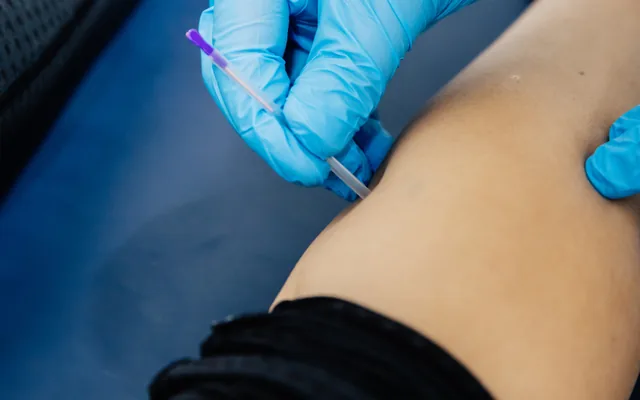
Fine needles inserted into trigger points to break down restrictive tissue.
Read more
Running injuries, return to sport, and footwear that matches your gait.
Read more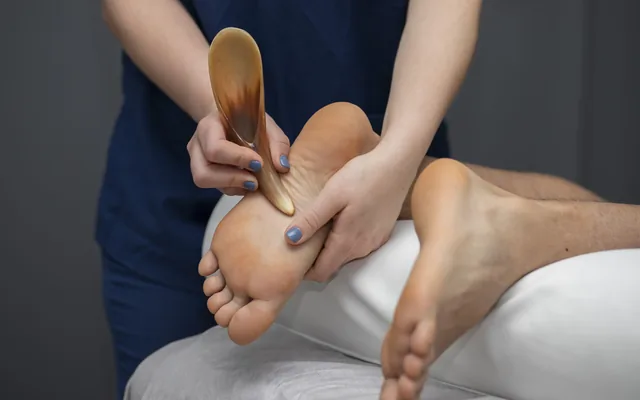
Routine care including ingrown toenails, corns and calluses.
Read more
Injectable therapy to stimulate a repair response. Paired with prolotherapy.
Read moreEvery clinic books into its own diary. Choose the one nearest you.

Arch pain for a year. They found it was how I was pushing off, not the fascia itself.
Strapped it first to test the theory, then made the orthotic. Made sense the whole way through.
First place that did not just hand me a stretching sheet and send me home.
They overlap. Heel pain is the symptom; plantar fasciitis is one of the common causes of it.
Stretching is often suggested, but where the fascia is already over-stretched and tearing, pulling on it can tear it further. Your podiatrist will tell you whether stretching has any place in your plan, and what to do instead.
That depends on how long it has been there. You will get a realistic timeframe at the assessment rather than a standard answer.
Usually not. The diagnosis is made from the assessment. Imaging is requested only where it would change the plan.
No. You can book directly.
Treating lower limb pain since 1990
Choose your clinic and book straight into its diary, or call and we will point you to the right practitioner.