




"Growing out of it"
Where in-toeing comes from a twisted shin, the body often hides it by tightening the hip muscles rather than correcting it. Measuring it is how you know.
Pigeon toe, flat feet and growing pains, assessed while the foot is still developing.
Trusted by patients from Sydney to Narrabri


Children’s feet are still forming, and some things that look alarming settle on their own while others do not. An assessment tells you which you are looking at, and whether anything needs doing now.
Parents who have noticed in-toeing, out-toeing, flat feet, tripping, or a child who complains of sore legs after activity or at night.
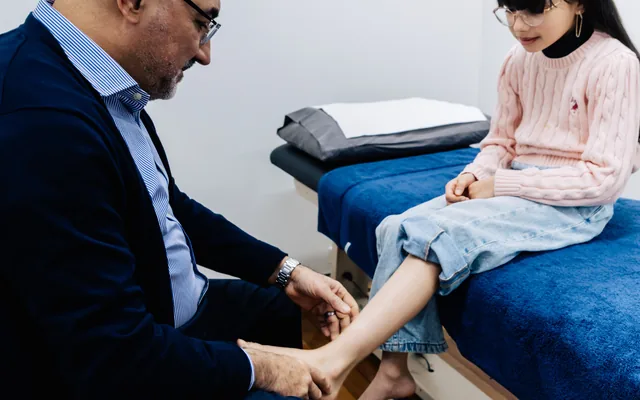
Children’s feet and legs are still forming. It is important to assess the child’s biomechanics rather than putting pain down to growing pains.
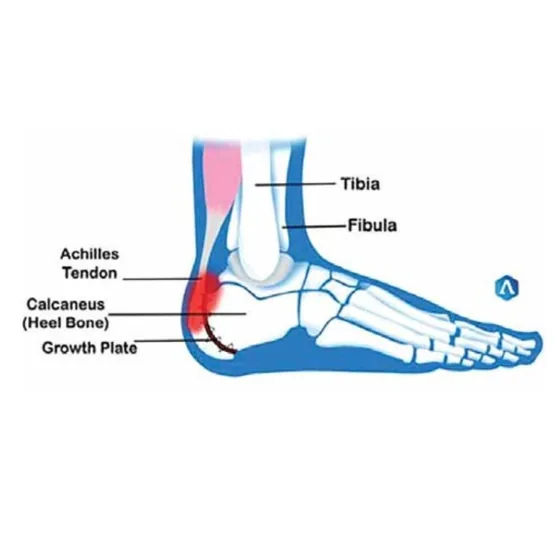
Common in growing children
Soreness at the back of the heel, worse after running and when getting up. Linked to feet that roll in or out, not only to growth.
A tender lump below the kneecap where the tendon pulls on the growing shin bone.
Often a twist in the shin bone, inherited from a parent.
Where in-toeing comes from a twisted shin, the body often hides it by tightening the hip muscles rather than correcting it. Measuring it is how you know.
Active, fast-growing children, more often boys, whose feet roll in or out and put repeated stress on the heel growth plate.
Orthotics, heel lifts, foot mobilisation, strapping and calf massage, reviewed as your child grows.
Children's Podiatry is prescribed against a diagnosis, never against a symptom. That is what the Najjarine Biomechanical Assessment is for.
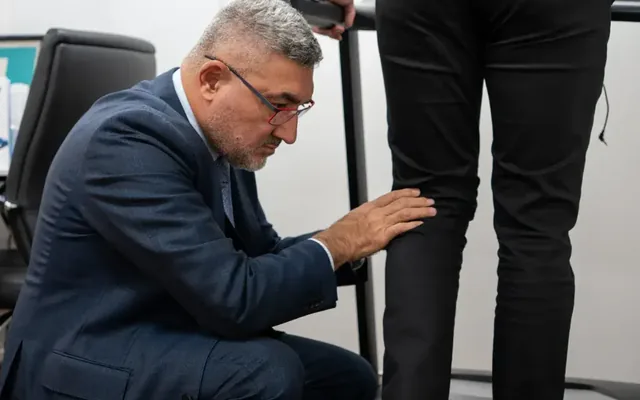
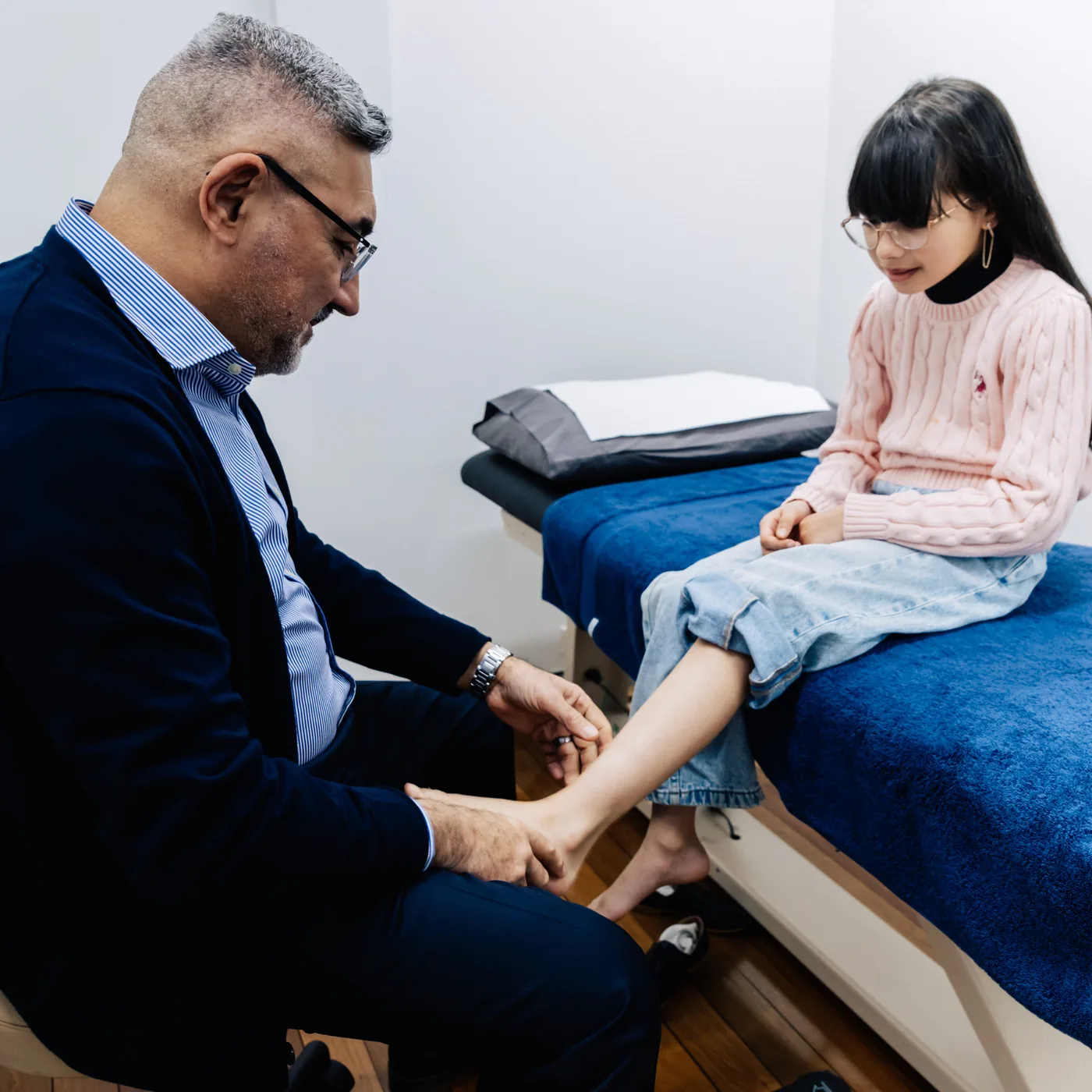
We assess how your child stands, walks and runs, and compare that against what is normal for their age.
We explain what we found in plain terms, including when the answer is that no treatment is needed yet.
If something does need addressing, treatment is staged around growth and reviewed as they develop.
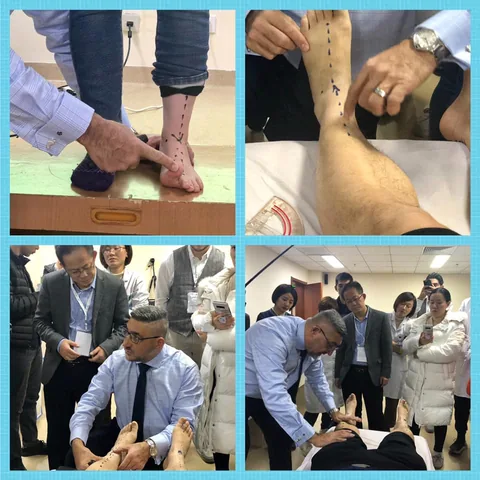
Find out whether children's podiatry is the right call for your pain.
Every condition we treat, starting with the ones children's podiatry is most often used for. Choose yours to see the assessment and the treatment.
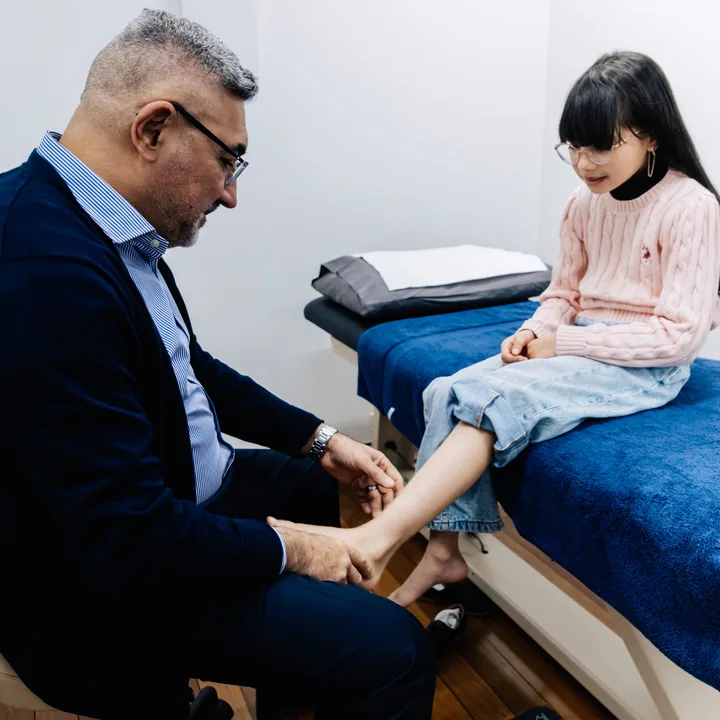
In-toeing gait in children
Read more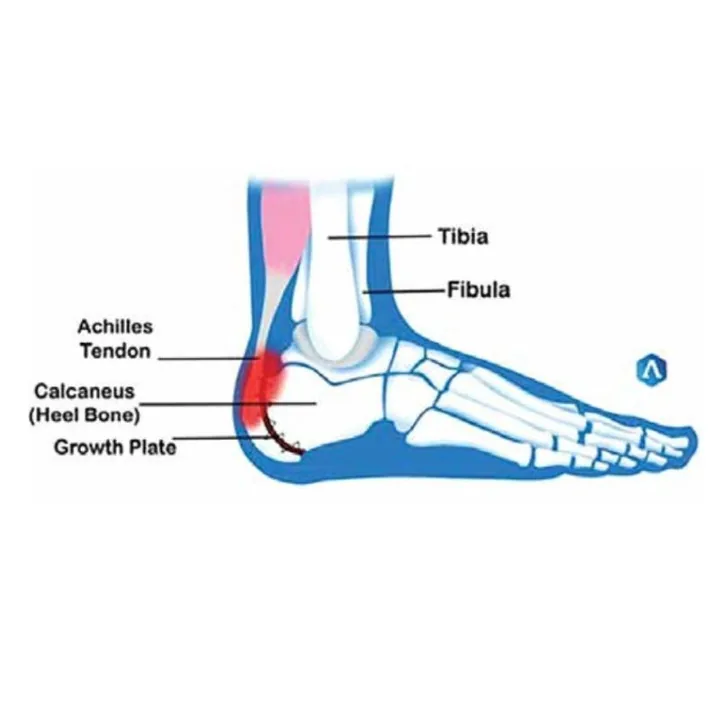
Heel pain in children 8 to 14
Read more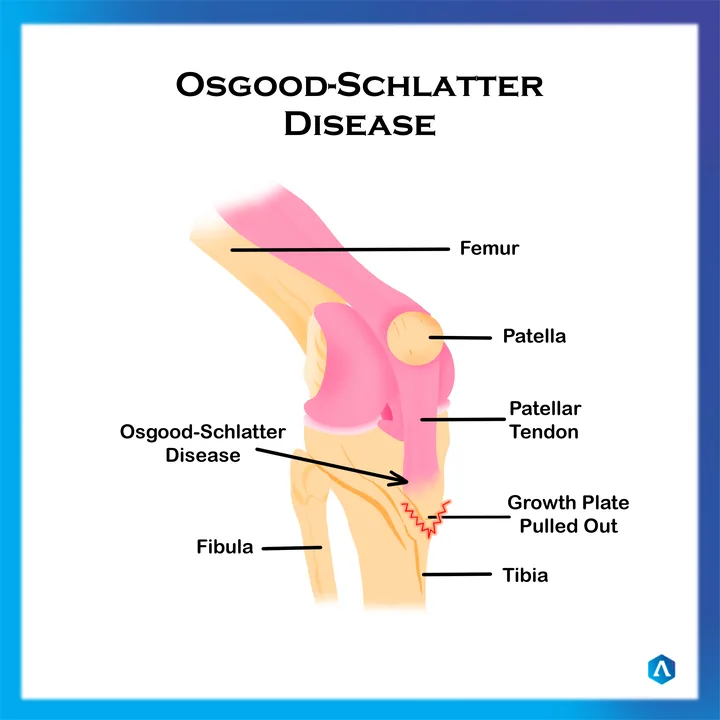
Knee pain in teenagers 13 to 17
Read more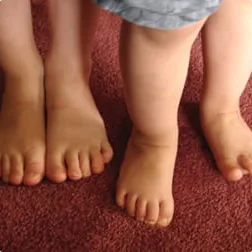
Out-toeing gait in children
Read more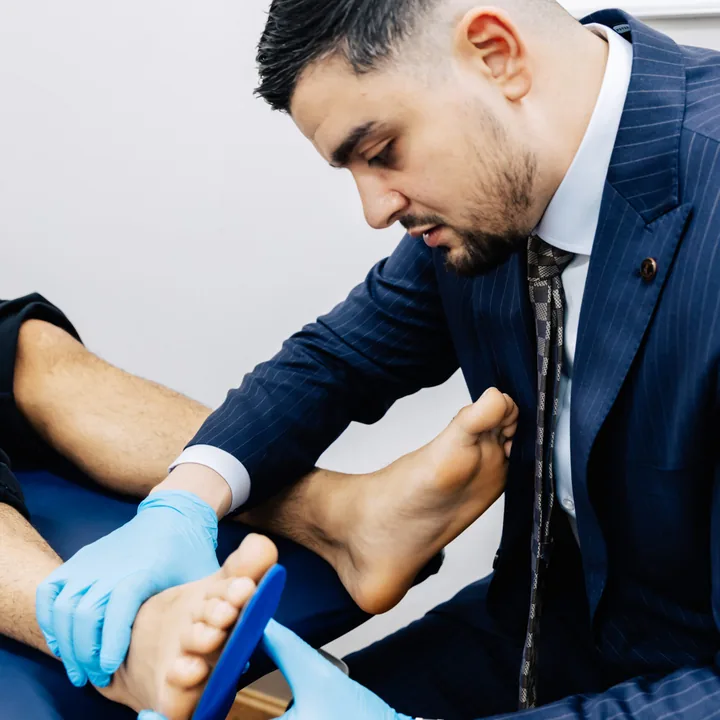
Fallen arches in children and adults
Read more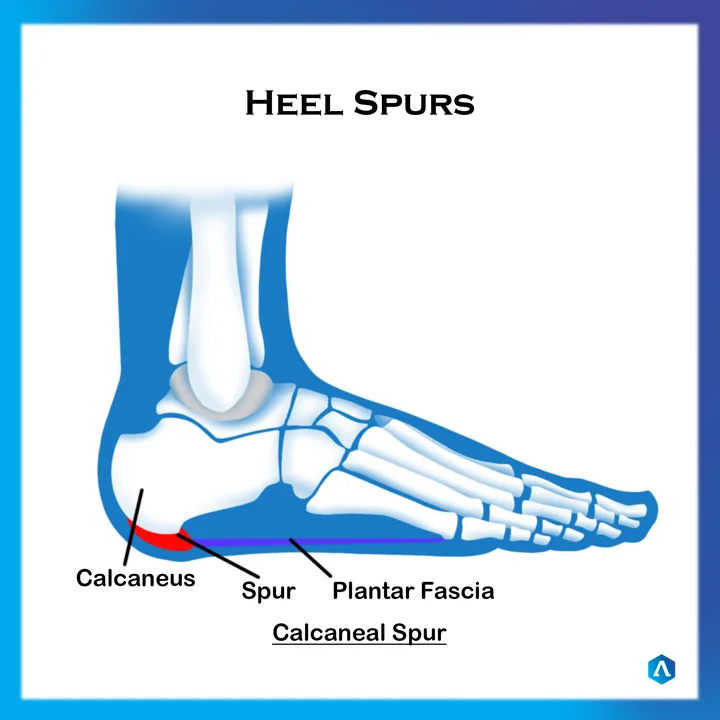
Including first-step pain in the morning
Read more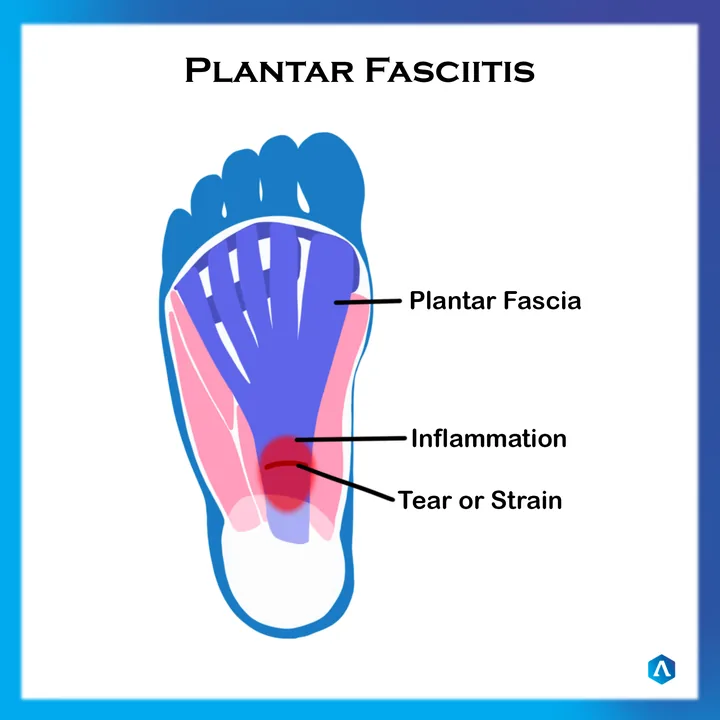
Arch and heel pain under load
Read more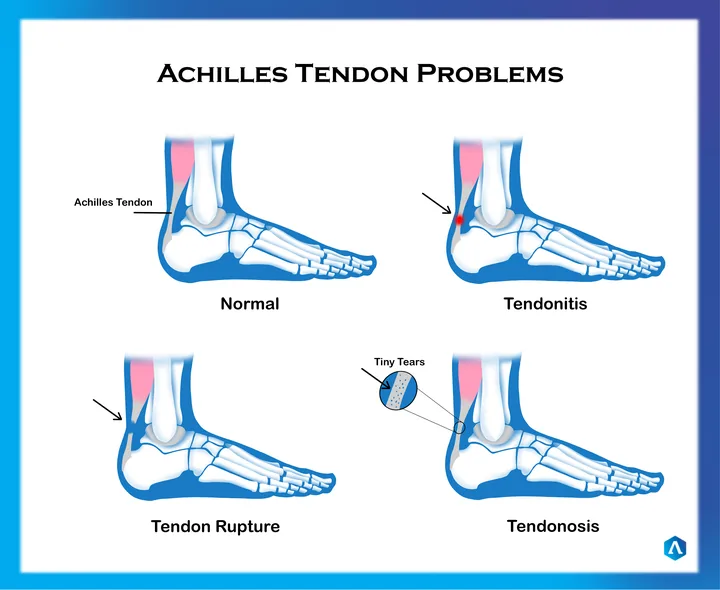
Tendon pain and tendonitis
Read more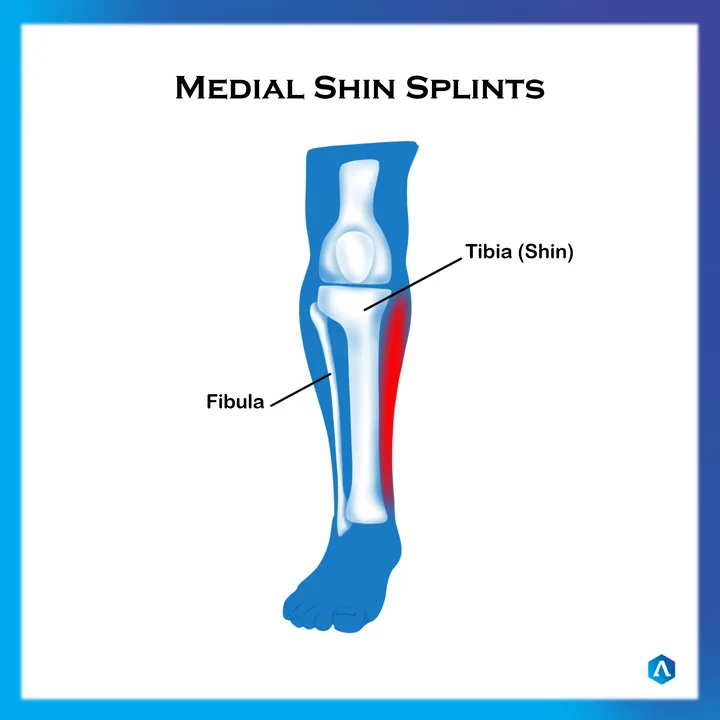
Pain along the shin with activity
Read more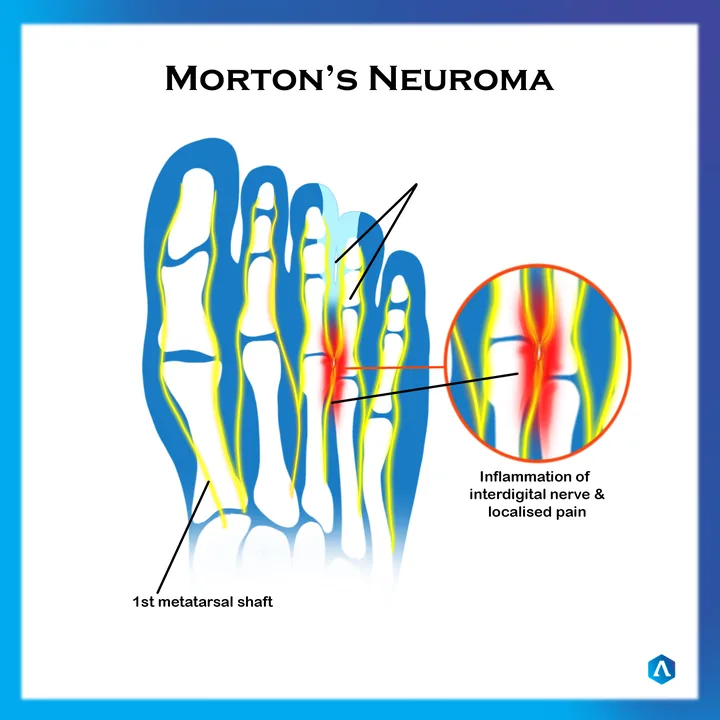
Including Morton’s neuroma
Read more
Overuse injury and return to sport
Read more
Where the cause sits below the knee
Read more
Routine and recurrent
Read more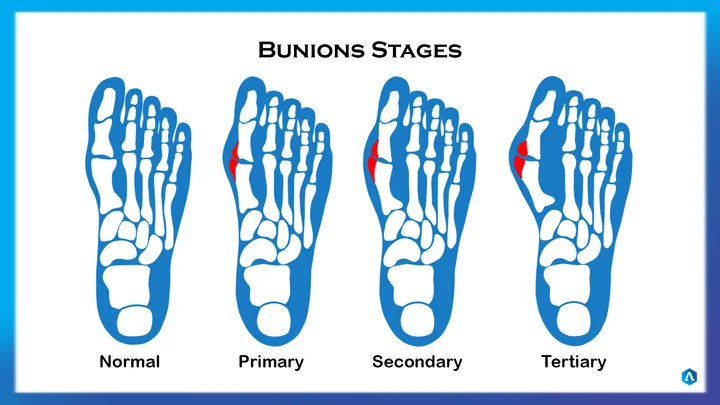
The big toe drifting across
Read more
Knees apart in children and adults
Read more
Knees together, ankles apart
Read moreAvailability varies by clinic. Call the clinic nearest you before you book if this is the treatment you are after.
There is no fixed age. If you have noticed something about the way they walk or they are complaining of pain, that is the time to have it looked at.
It often looks better with age. Where it comes from a twist in the shin bone, the body tends to hide it by tightening the hip muscles rather than correcting it, so measuring it is how you know. That is the reason to have it looked at rather than waiting.
Yes. Children are seen at all of our clinics.
Not necessarily. Many children need nothing beyond monitoring. Orthotics are only prescribed where the assessment shows they will change something.
No. You can book directly. If you are on a Medicare care plan your GP will refer you, and we can bill that.

Took my six year old in for in-toeing. They explained what was normal for his age and what to watch. No pressure at all.
Great with kids. My daughter was nervous and left happy.
Honest advice. We were told nothing needed doing yet and to come back in six months, which I appreciated.
Treating lower limb pain since 1990
Choose your clinic and book straight into its diary, or call and we will point you to the right practitioner.