






How it works
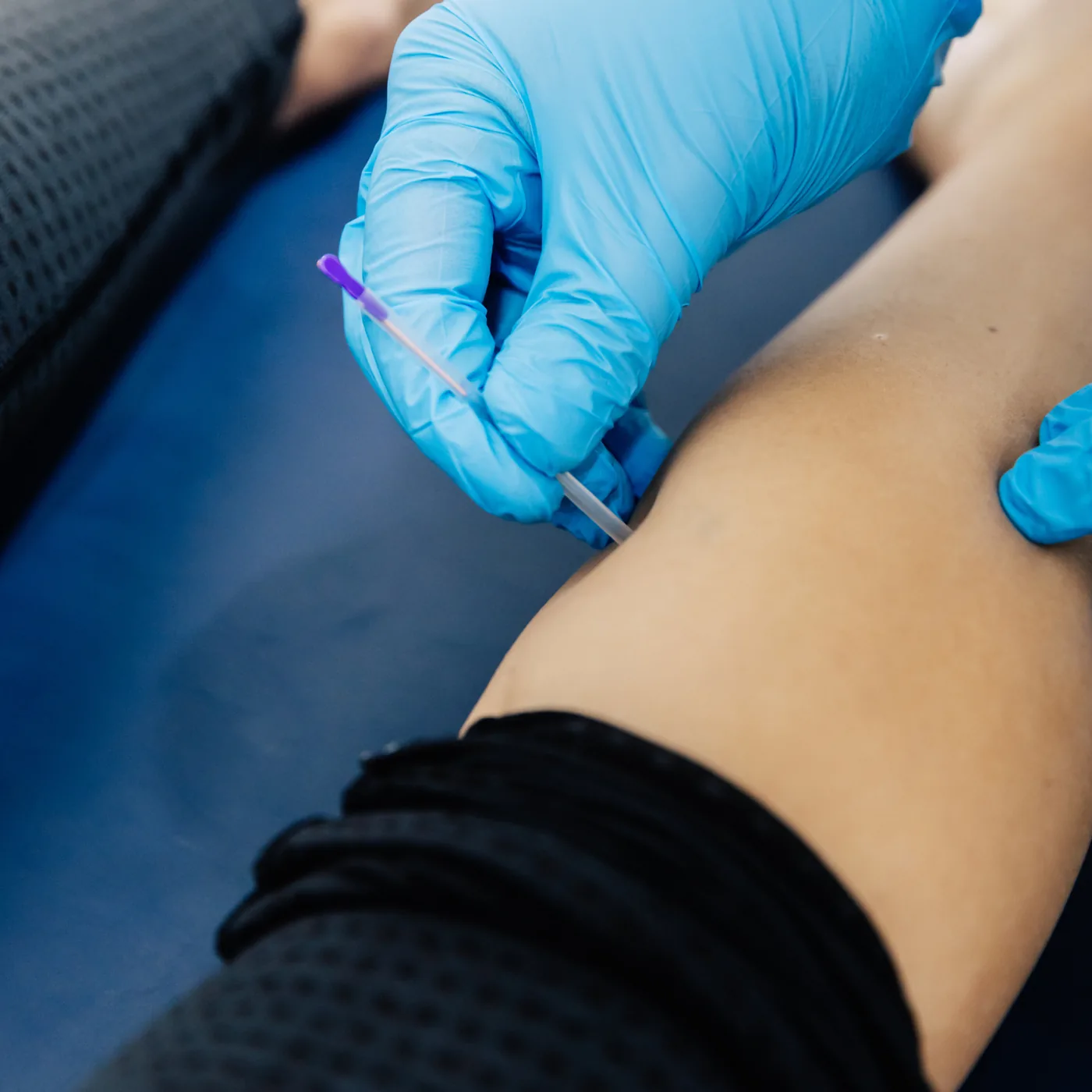
A fine acupuncture needle is placed in or around the taut band. It can cause a small twitch in the muscle.
Fine needles inserted into trigger points to break down restrictive tissue.
Trusted by patients from Sydney to Narrabri



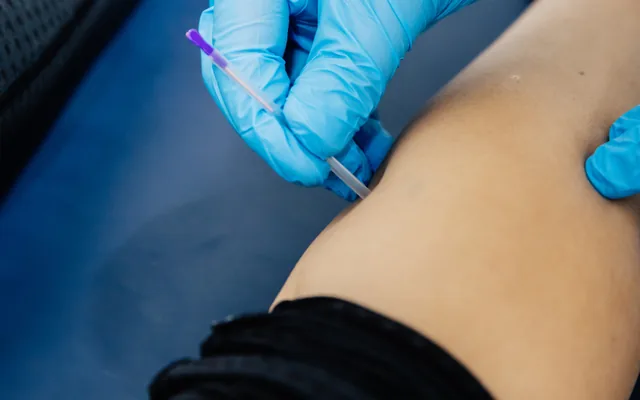
A fine needle is placed into a trigger point in the muscle or fascia. Nothing is injected — the needle itself is the treatment, used to release tissue that has become restrictive.
People with tight or restricted soft tissue in the calf, foot or lower leg that is contributing to how they load and where they hurt.
Muscles, tendons and ligaments can develop tight, taut bands: trigger points, scar tissue or adhesions. These limit how far and how smoothly a joint moves, and cause pain.
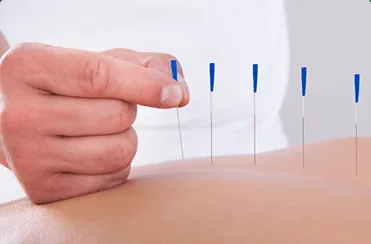
A fine acupuncture needle is placed in or around the taut band. It can cause a small twitch in the muscle.
The body treats the needle as a foreign object, like a splinter or bee sting. It releases histamine and increases blood flow, bringing in the cells responsible for repair.
The needle also stimulates sensory nerve fibres that help turn down the pain messages reaching the brain.
Most often the calves, the ITB and around the knees, usually alongside orthotics so the tight muscle is not working against the correction.
Dry Needling is prescribed against a diagnosis, never against a symptom. That is what the Najjarine Biomechanical Assessment is for.
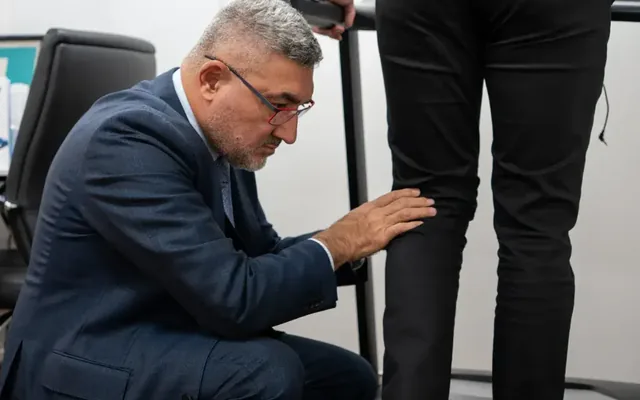
The assessment identifies which tissue is restricted and whether that restriction is part of what is causing your pain.
Needles are placed into the trigger points and left briefly. Most people feel a dull ache or a twitch rather than a sharp pain.
Needling is normally combined with mobilisation, stretching or orthotic therapy so the tissue does not simply tighten again.
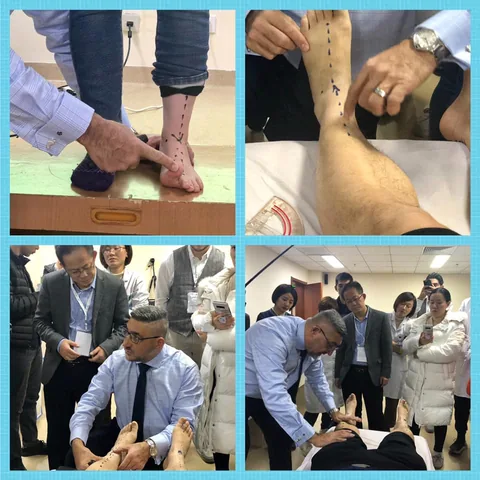
Find out whether dry needling is the right call for your pain.
Every condition we treat, starting with the ones dry needling is most often used for. Choose yours to see the assessment and the treatment.
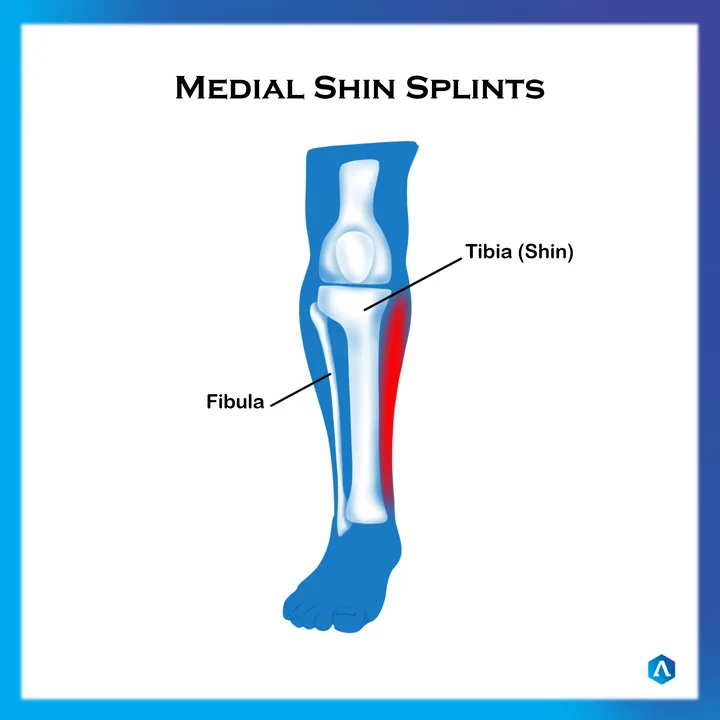
Pain along the shin with activity
Read more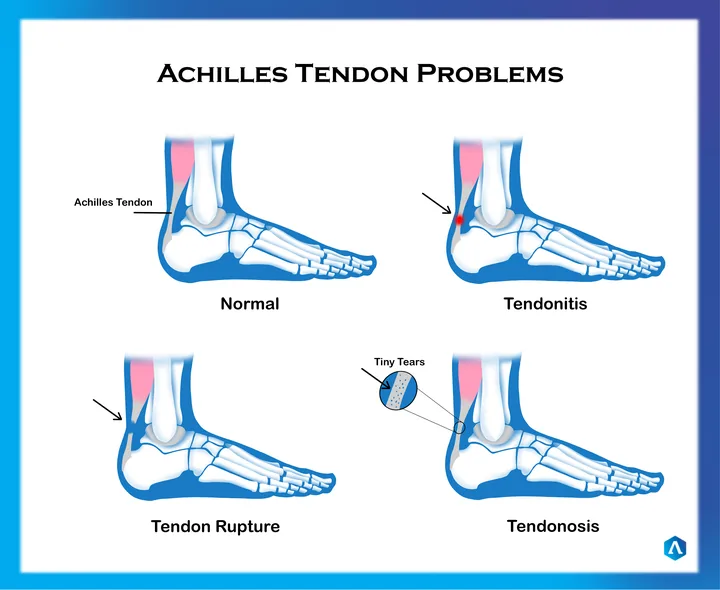
Tendon pain and tendonitis
Read more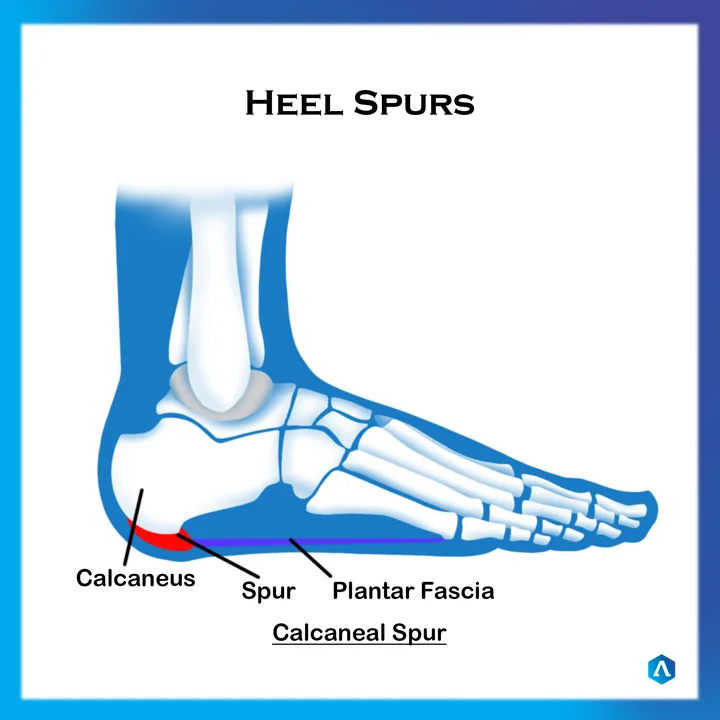
Including first-step pain in the morning
Read more
Overuse injury and return to sport
Read more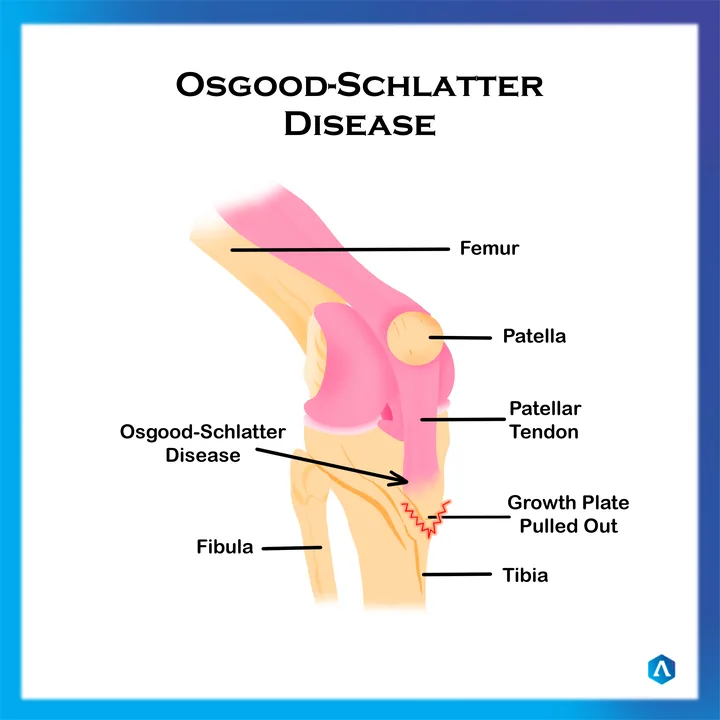
Knee pain in teenagers 13 to 17
Read more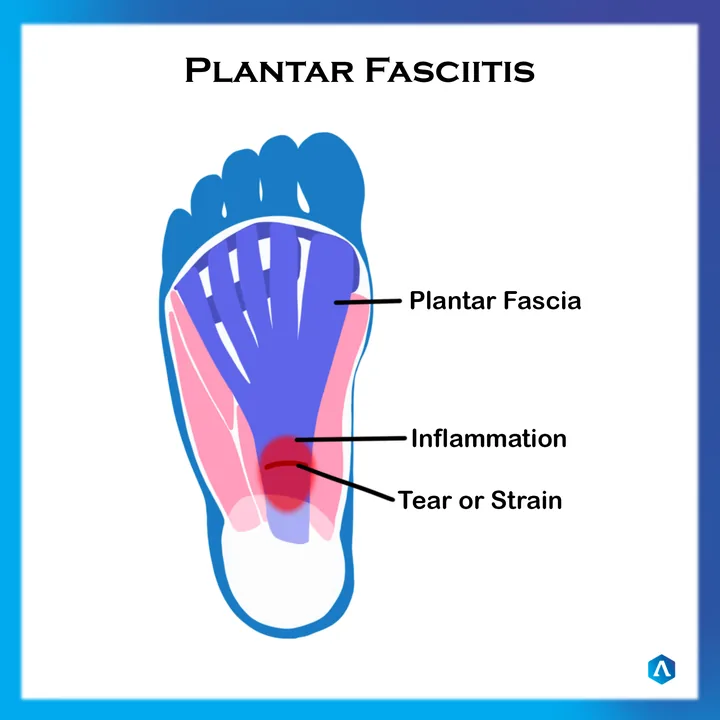
Arch and heel pain under load
Read more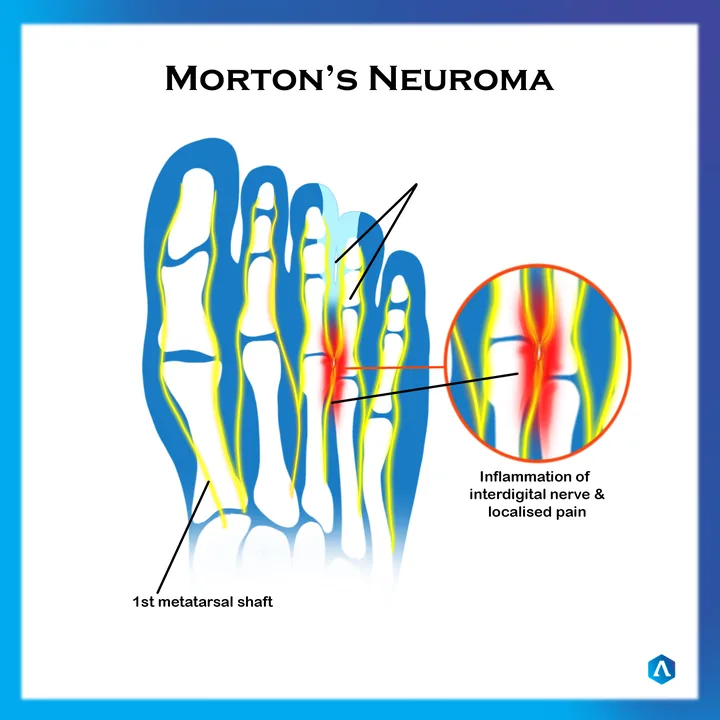
Including Morton’s neuroma
Read more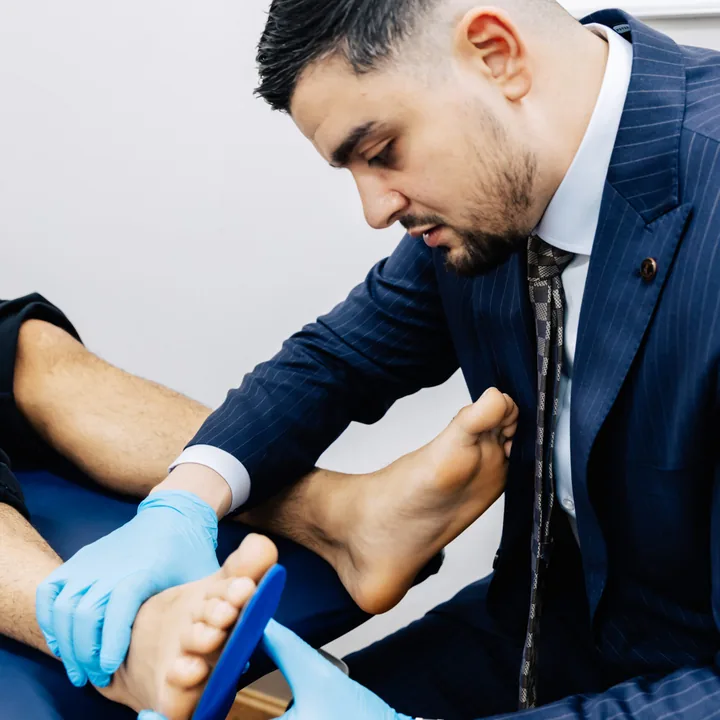
Fallen arches in children and adults
Read more
Where the cause sits below the knee
Read more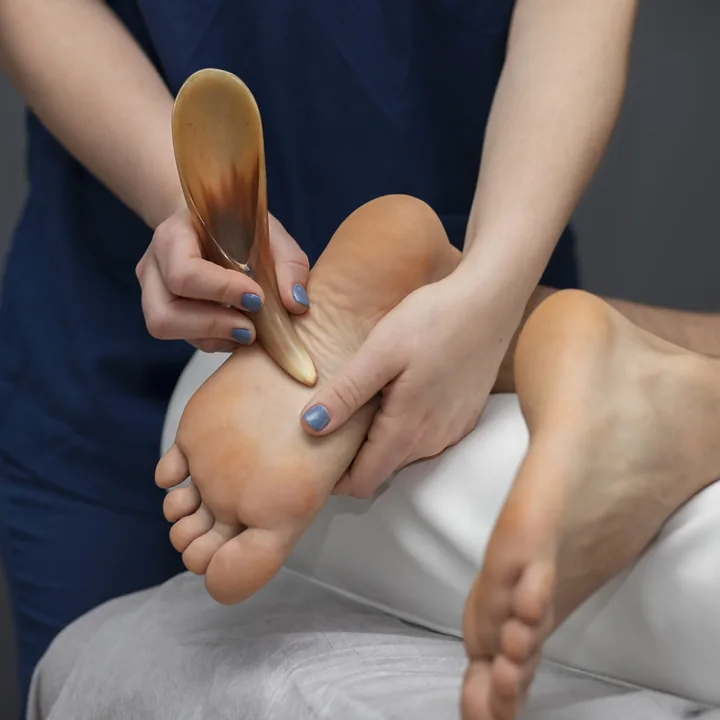
Routine and recurrent
Read more
In-toeing gait in children
Read more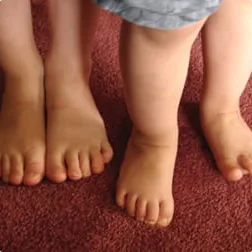
Out-toeing gait in children
Read more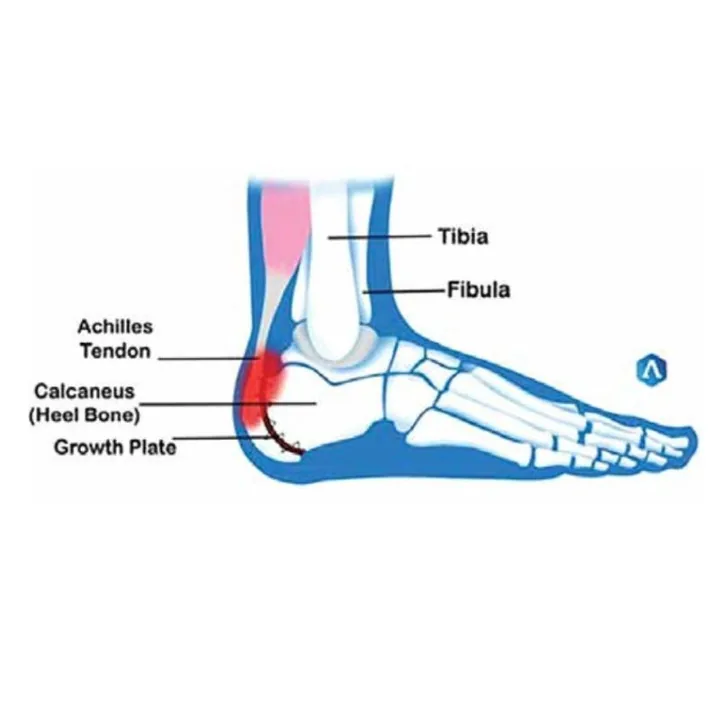
Heel pain in children 8 to 14
Read more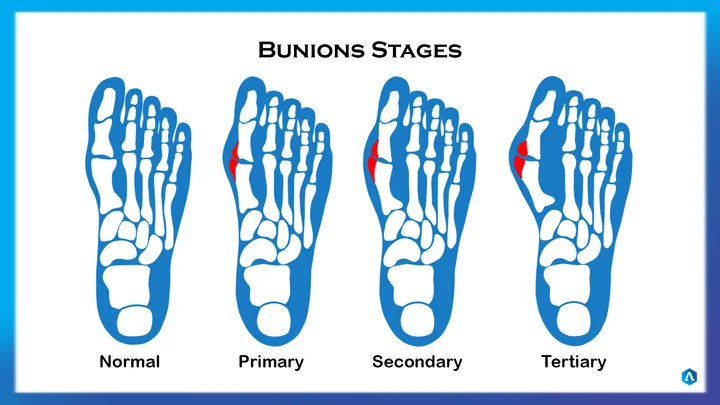
The big toe drifting across
Read more
Knees apart in children and adults
Read more
Knees together, ankles apart
Read moreAvailability varies by clinic. Call the clinic nearest you before you book if this is the treatment you are after.
They use similar needles but not the same reasoning. Dry needling targets specific trigger points identified in your assessment.
Most people describe a dull ache or a brief twitch rather than a sharp pain. Tell your podiatrist during the session if it is uncomfortable.
No. Nothing is injected in dry needling — the needle itself is the treatment. Injectable treatment is a separate service, Neural Therapy.
Some people feel mild soreness for a day, similar to after exercise. Your podiatrist will tell you what to expect for your case.
It depends on what the assessment found. Your podiatrist will set that out before you commit to a course.

Calf had been tight for months. Two sessions and it finally let go.
Not as bad as I expected. More of a dull ache than a sharp pain, and they checked in throughout.
Combined with stretches to do at home, which is what made it stick.
Treating lower limb pain since 1990
Choose your clinic and book straight into its diary, or call and we will point you to the right practitioner.