





When the foundation drops
The foot is the body’s foundation: when it collapses, it brings everything above with it. A common pattern is inner heel pain in the morning, inner shin pain and inner knee pain together.
Fallen or low arches in children and adults. Flat feet are common, and only some of them need treating.
Trusted by patients from Sydney to Narrabri



If this sounds like your pain, there is a structural reason for it. The assessment is what finds it.
A low arch is a shape, not automatically a problem. It matters when the way the foot rolls through stance puts strain on tissue further up — the arch, the knee, or the hip. That is the difference between flat feet that need treating and flat feet that do not.
A flat or rolled-in foot is called over-pronation. Some rolling in is normal: it is how the foot absorbs shock. The problem is when it goes too far for too long.
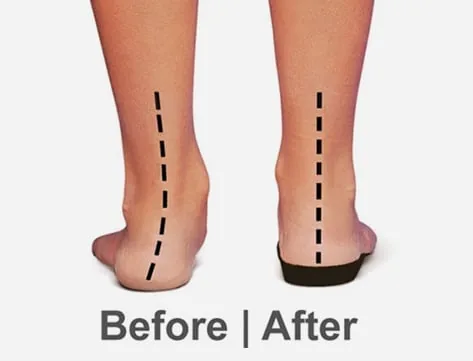
How far should a foot roll in?
Standing relaxed, the heel sits between upright and a few degrees tilted: 0–4°.
When walking, the foot should only roll in about 4° from its neutral position to absorb impact.
The arch drops, the foot lengthens and the strain moves up the leg.
The foot is the body’s foundation: when it collapses, it brings everything above with it. A common pattern is inner heel pain in the morning, inner shin pain and inner knee pain together.
These biomechanical traits are often inherited and passed down through generations, often alongside a twist in the shin (pigeon-toed or out-toed).
A support that flattens like a pancake under thumb pressure is not supporting much. An orthotic should also sit stable on a flat surface without wobbling.
How firm the orthotic needs to be depends on how far your foot rolls in and on your body weight. Different shoes may need different styles.
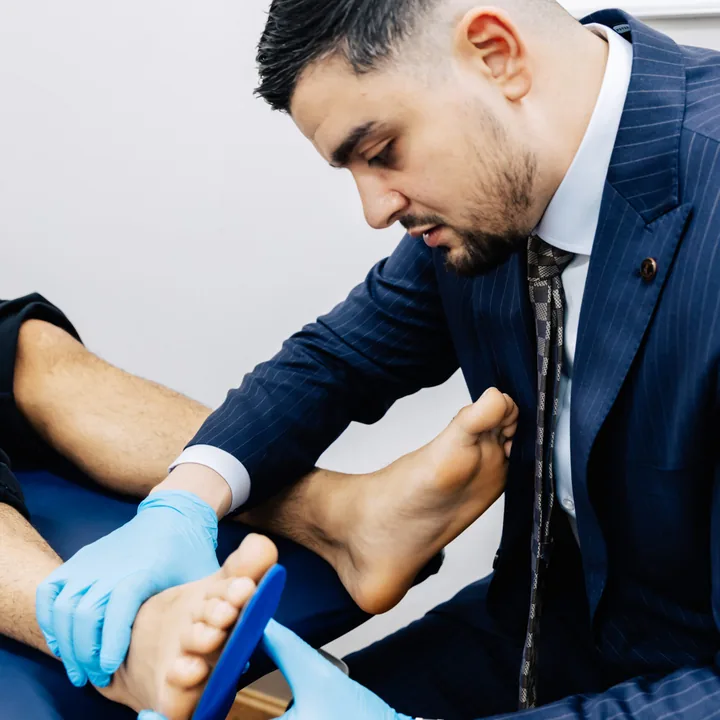
Flat Feet is diagnosed with the Najjarine Biomechanical Assessment, so treatment is prescribed against a finding rather than a symptom.
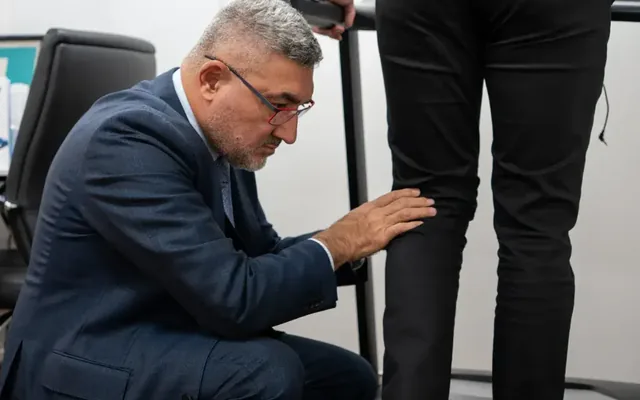
We assess whether your arch position is actually causing the symptoms you have come in with.
If it is, we identify what is happening through stance and show you what we found.
Where treatment is needed it is aimed at how the foot loads, not at forcing an arch shape.
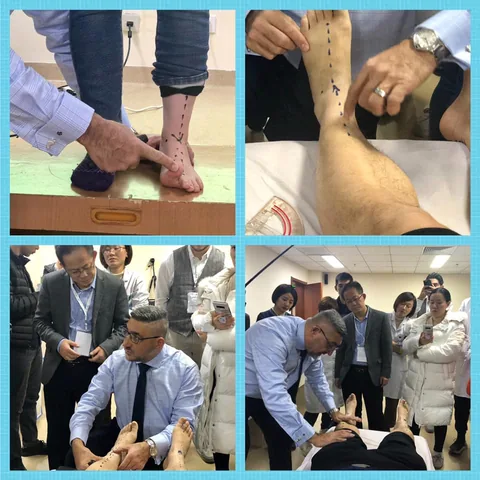
All ten treatments, starting with those most often used for flat feet. Which you need is decided at the assessment; most plans combine more than one.
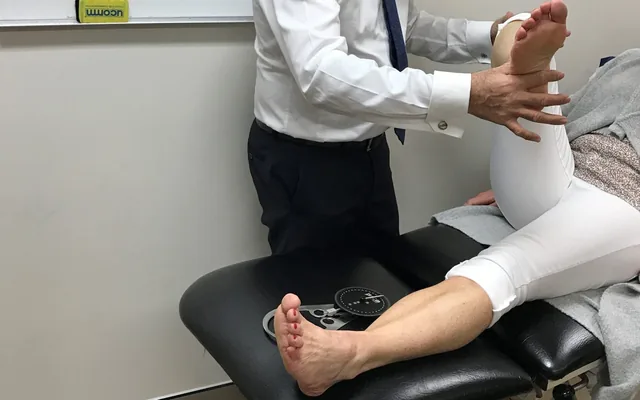
A full lower limb assessment from the feet up. It is the foundation of every treatment plan we prescribe.
Read more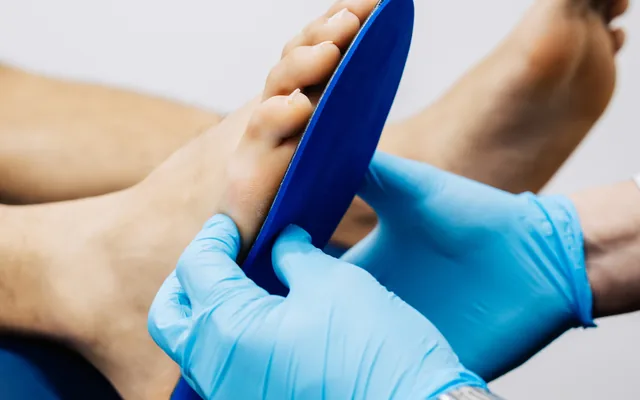
Prescribed devices that change how your foot meets the ground. Manufactured on site at our Kirrawee head office.
Read more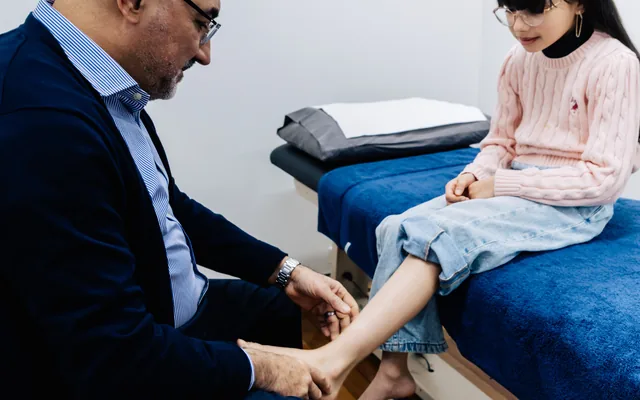
Pigeon toe, flat feet and growing pains, assessed while the foot is still developing.
Read more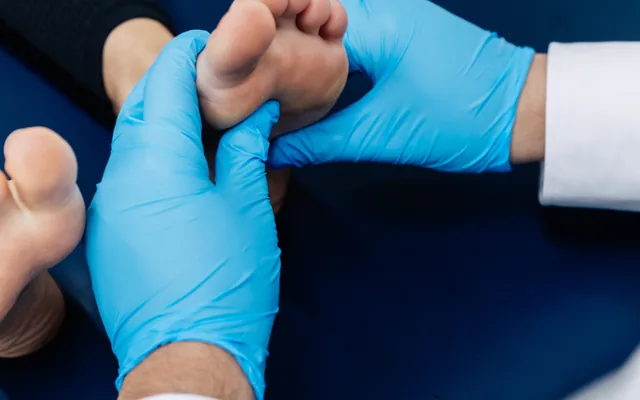
Hands-on work addressing restrictions across the foot’s 26 bones.
Read more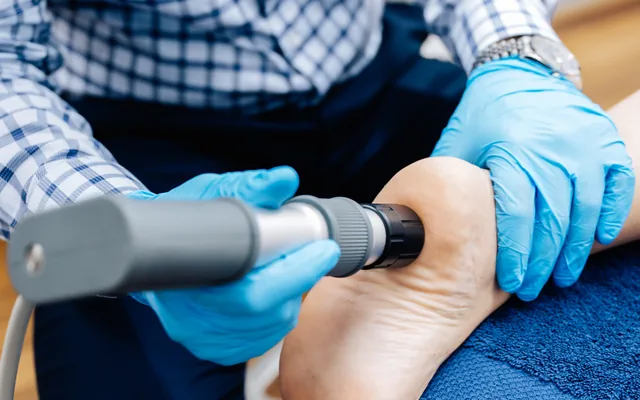
Acoustic waves using kinetic energy to stimulate repair in tendon and soft tissue. We use it most often for persistent heel pain and Achilles pain.
Read more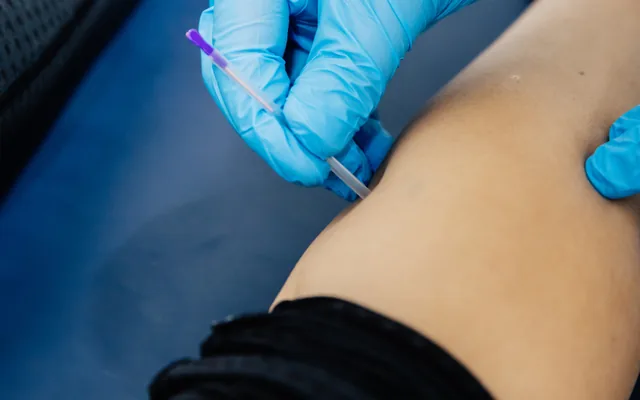
Fine needles inserted into trigger points to break down restrictive tissue.
Read more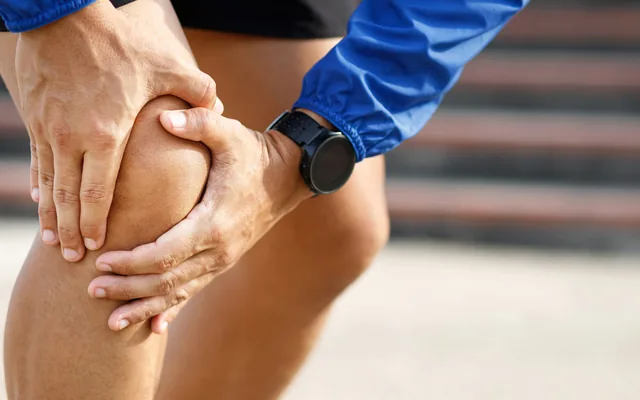
Running injuries, return to sport, and footwear that matches your gait.
Read more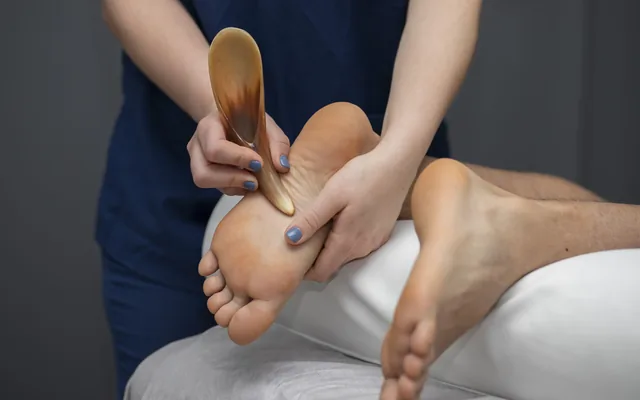
Routine care including ingrown toenails, corns and calluses.
Read more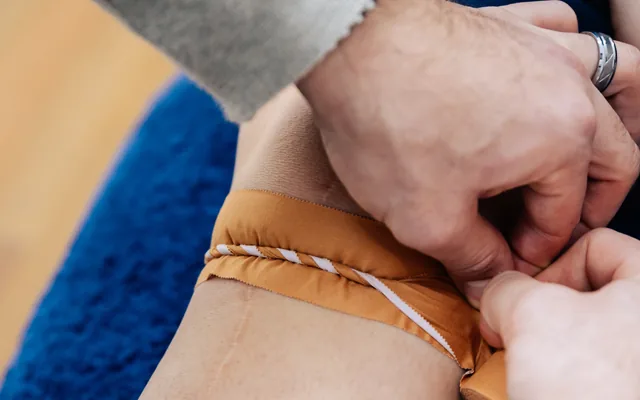
Therapeutic support to offload tissue while it recovers.
Read more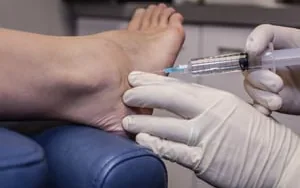
Injectable therapy to stimulate a repair response. Paired with prolotherapy.
Read moreEvery clinic books into its own diary. Choose the one nearest you.

Told me my son did not need anything yet, which is not what I expected to hear and exactly why I trust them.
Flat feet my whole life. Only needed treating once they started causing knee pain.
Clear about what was worth doing and what was not.
No. Plenty of people have low arches and no pain. Treatment is for what the assessment finds, not for the shape itself.
Often, yes. Arches develop through childhood. The assessment tells you whether yours is developing as expected.
Only if the assessment shows they will change something. They are not automatic.
They can, where the way the foot rolls changes the load at the knee. That is one of the things the assessment looks at.
No. You can book directly.
Treating lower limb pain since 1990
Choose your clinic and book straight into its diary, or call and we will point you to the right practitioner.