





What to look for in a sports shoe
- Does not lean in when viewed from behind
- Sturdy mid-sole
- Bends only at the toes
- Firm heel counter
- Laces up high
Running injuries, return to sport, and footwear that matches your gait.
Trusted by patients from Sydney to Narrabri


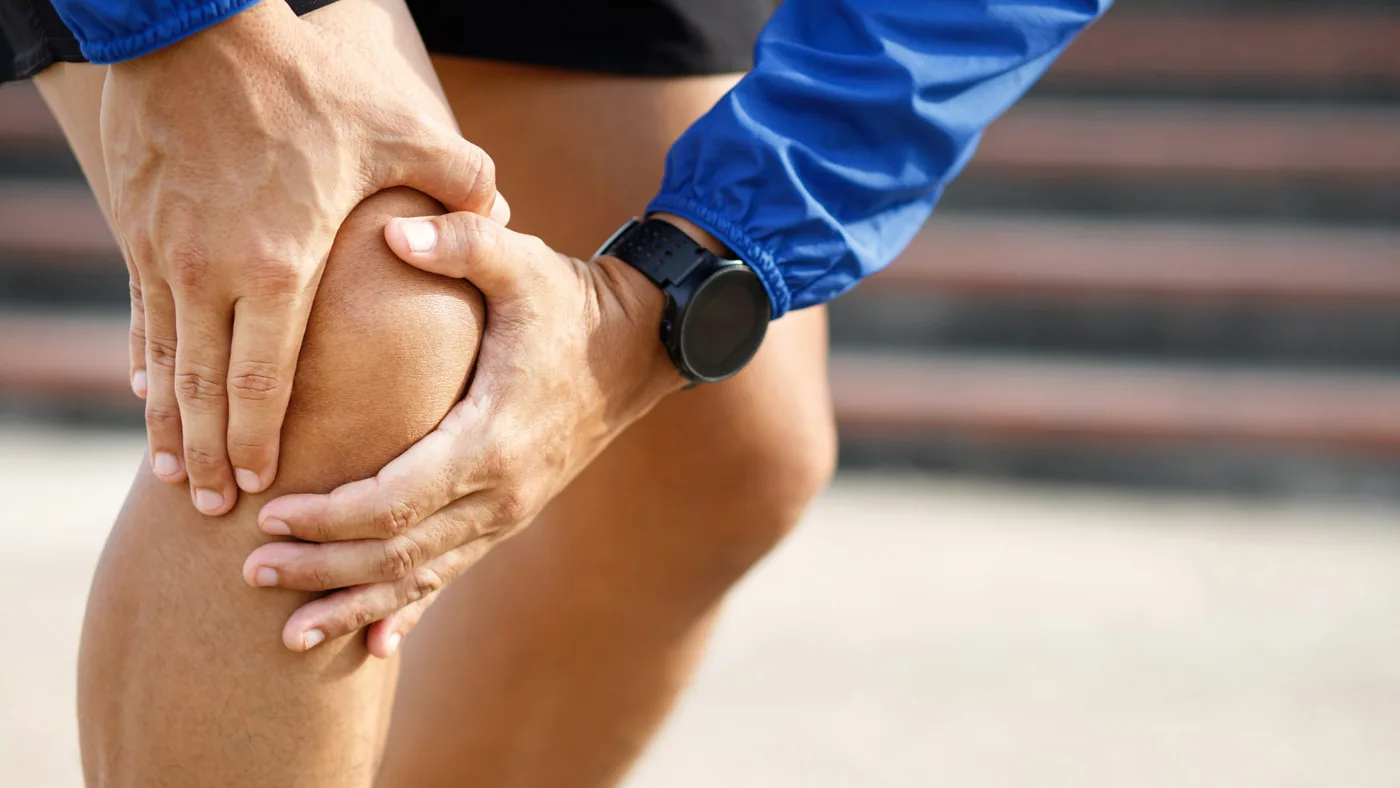
Sports podiatry looks at the demands your sport puts on the lower limb and where your mechanics are not coping with them. That includes footwear, which is often working against the athlete rather than for them.
Runners and athletes with overuse injuries, anyone returning to sport after one, and people whose pain only appears at a certain distance, pace or surface.
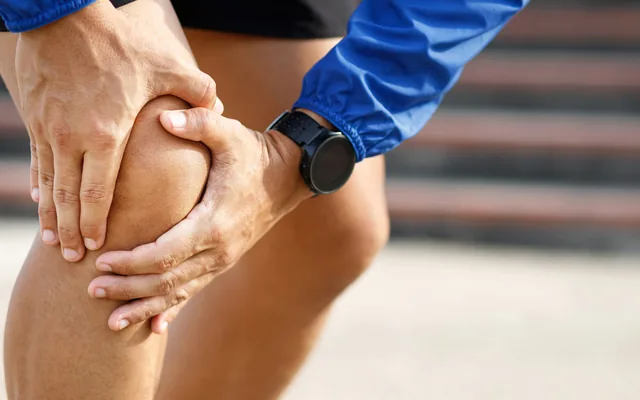
Football, dance and running each load the feet differently. Across all three, the aim is the same: find the cause of the pain and prevent the next injury.
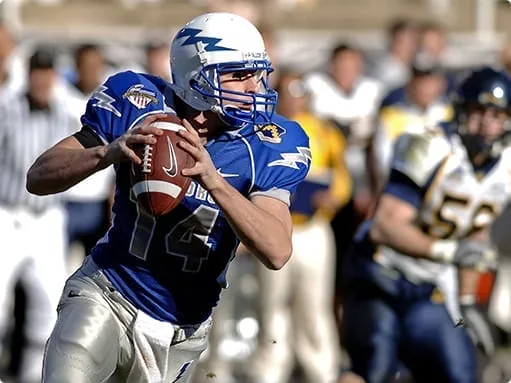
By sport
Harder, flatter turf returns more force to the body, but boots have not changed to match.
Turnout should come from the hip. Forcing it from the knee or foot causes knee, hip and back problems.
The force through each foot on every stride, which magnifies small misalignments.
Sever’s disease (heel) and Osgood-Schlatter (knee) are common in active children, where growing bone is pulled on by tendons during repetitive training.
Sport orthotics need different materials from everyday ones, and a slimmer style for boots or ballet shoes.
Sports Podiatry is prescribed against a diagnosis, never against a symptom. That is what the Najjarine Biomechanical Assessment is for.
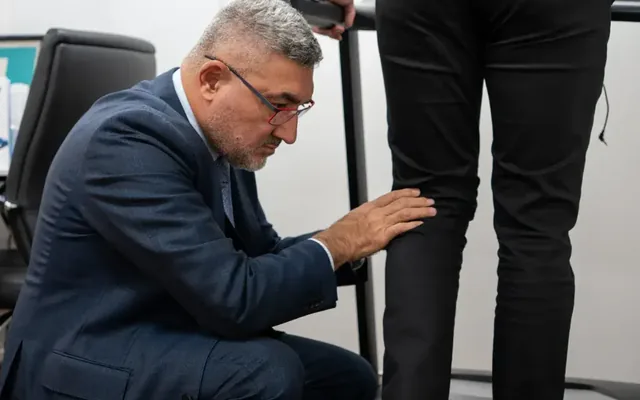
We assess your gait under load rather than standing still, because that is where a running injury actually happens.
We identify what is failing and why — mechanics, load, footwear, or a combination.
Treatment is paired with a return-to-sport plan, so load is rebuilt rather than resumed all at once.
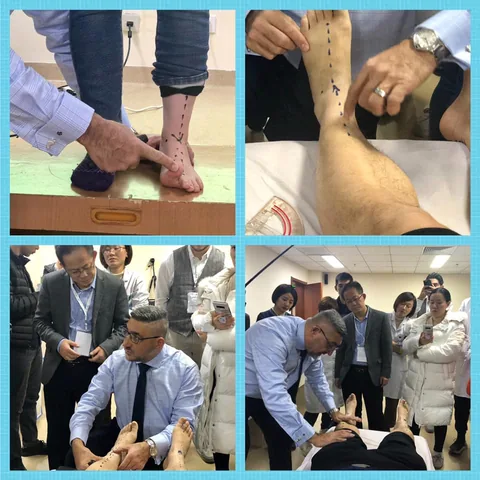
Find out whether sports podiatry is the right call for your pain.
Every condition we treat, starting with the ones sports podiatry is most often used for. Choose yours to see the assessment and the treatment.
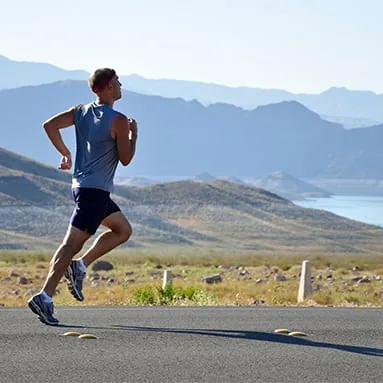
Overuse injury and return to sport
Read more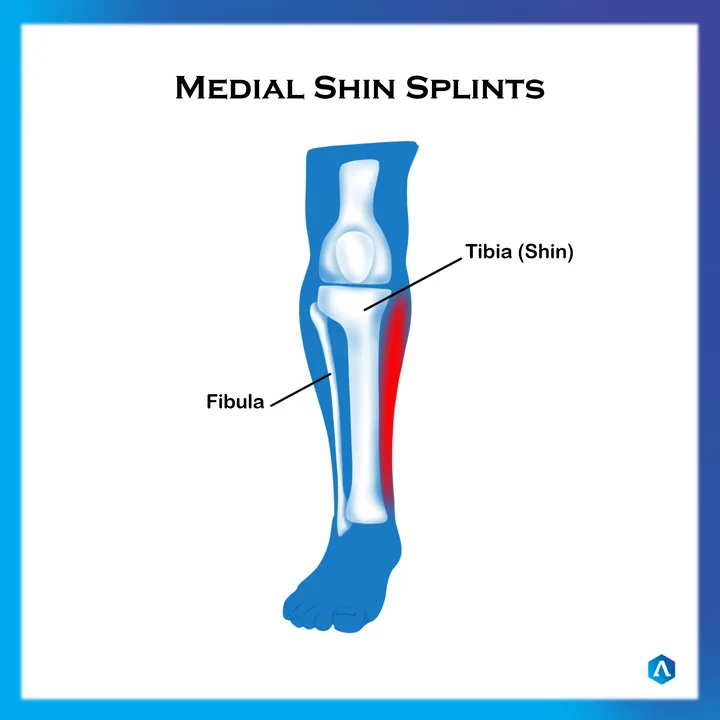
Pain along the shin with activity
Read more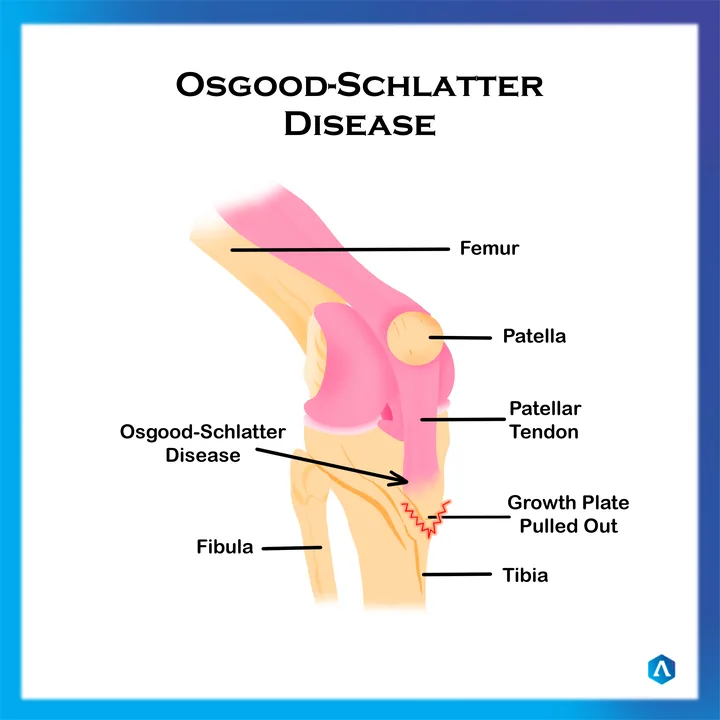
Knee pain in teenagers 13 to 17
Read more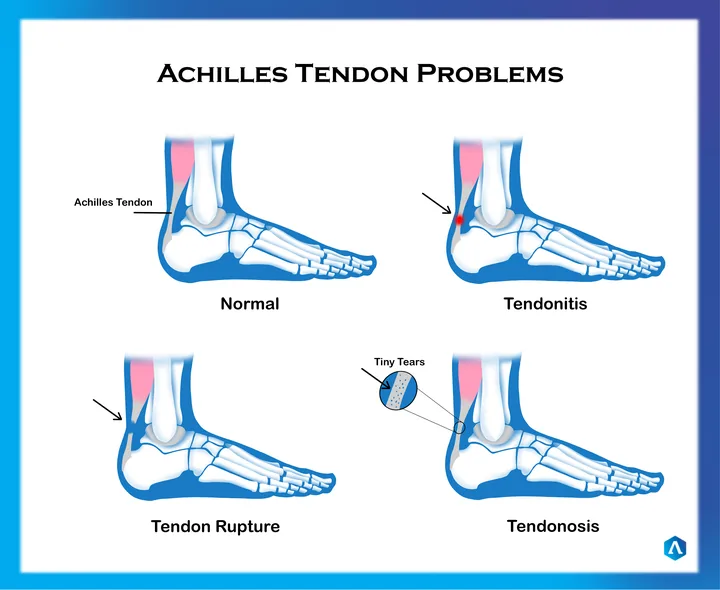
Tendon pain and tendonitis
Read more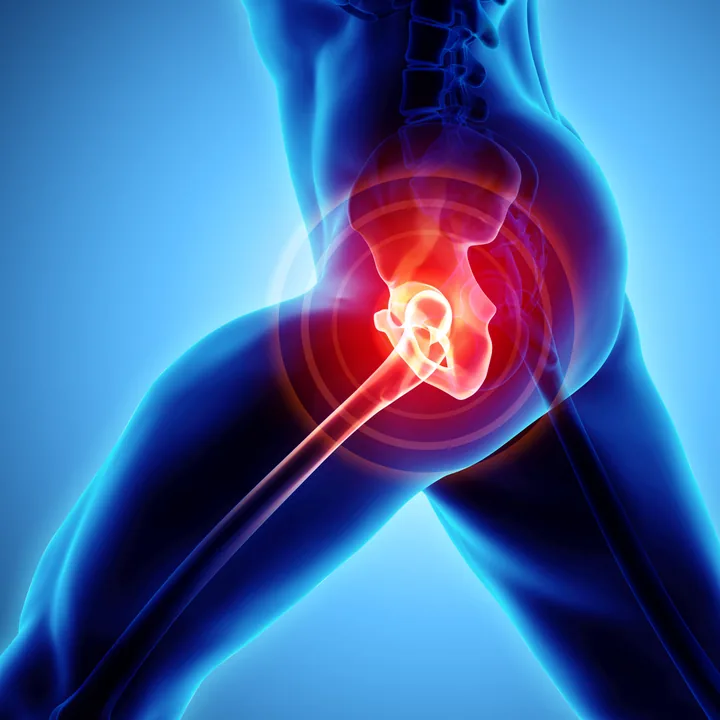
Where the cause sits below the knee
Read more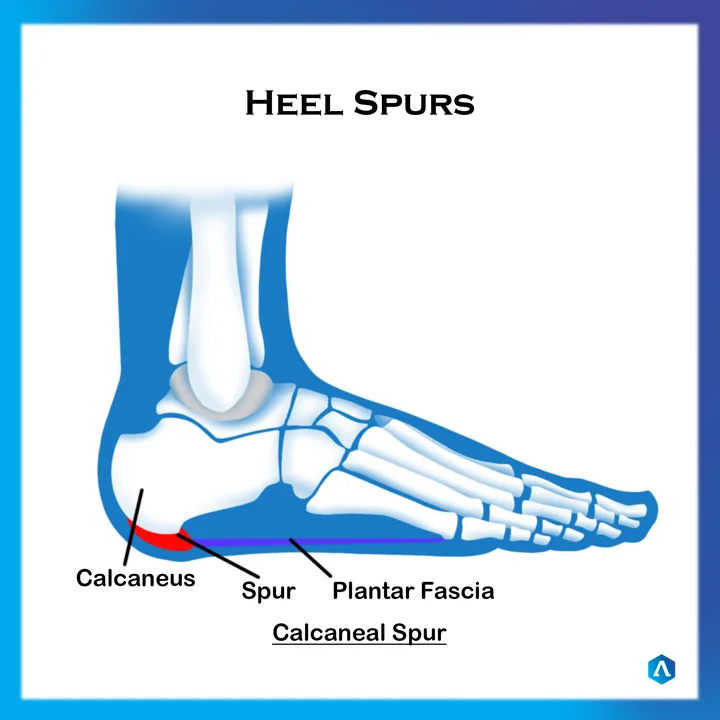
Including first-step pain in the morning
Read more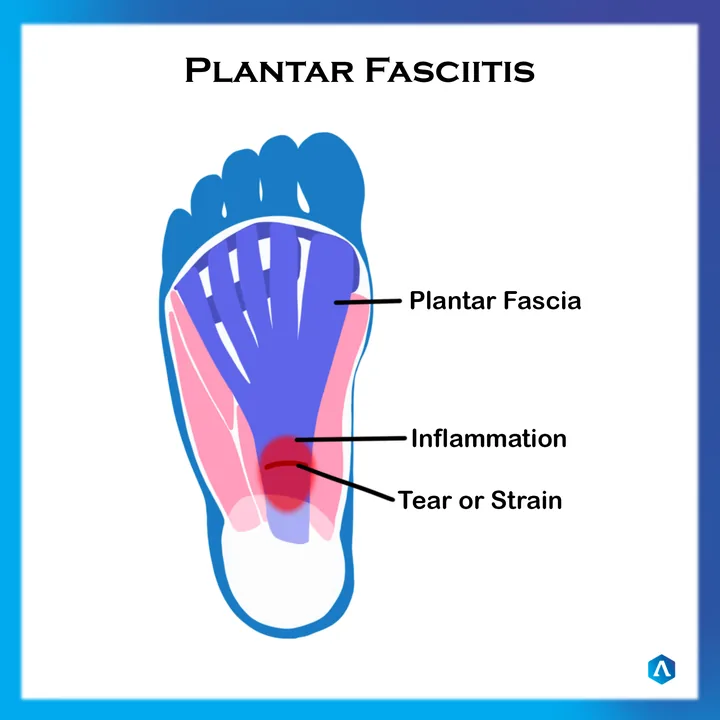
Arch and heel pain under load
Read more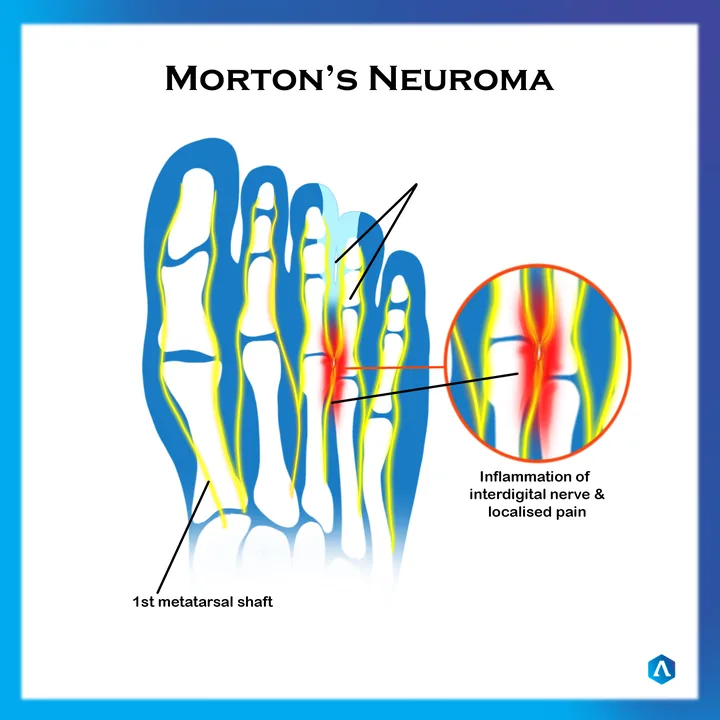
Including Morton’s neuroma
Read more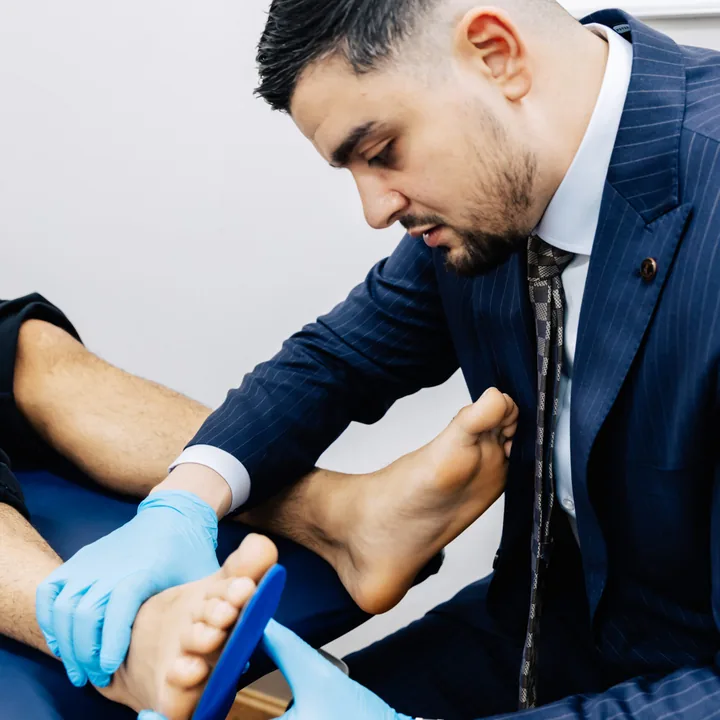
Fallen arches in children and adults
Read more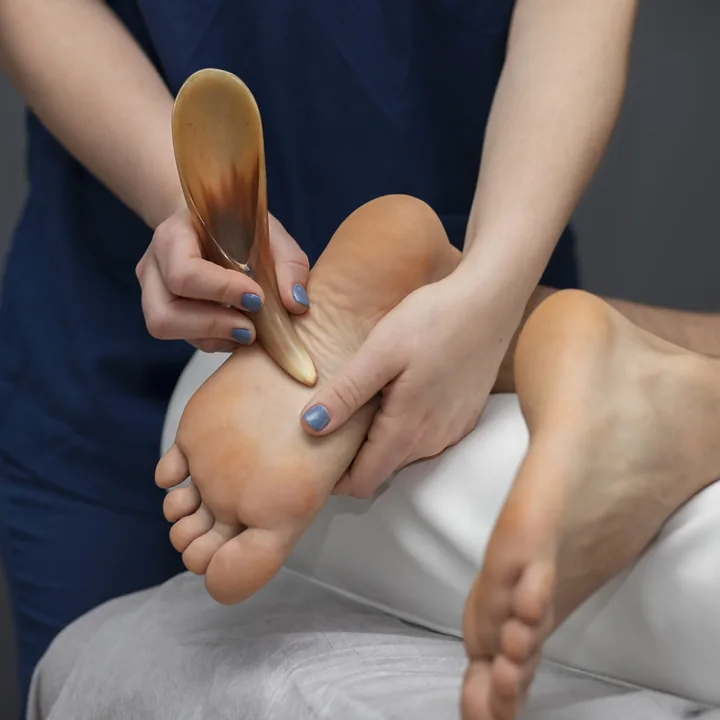
Routine and recurrent
Read more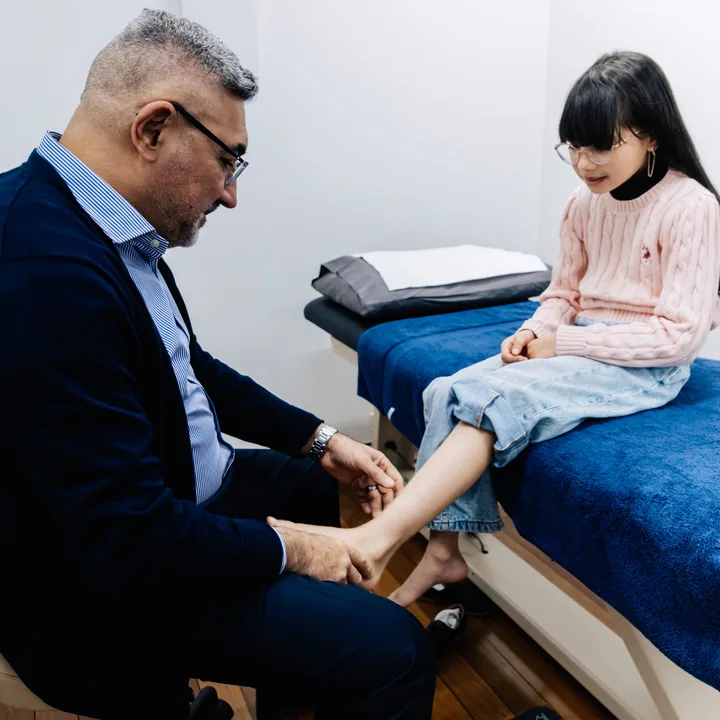
In-toeing gait in children
Read more
Out-toeing gait in children
Read more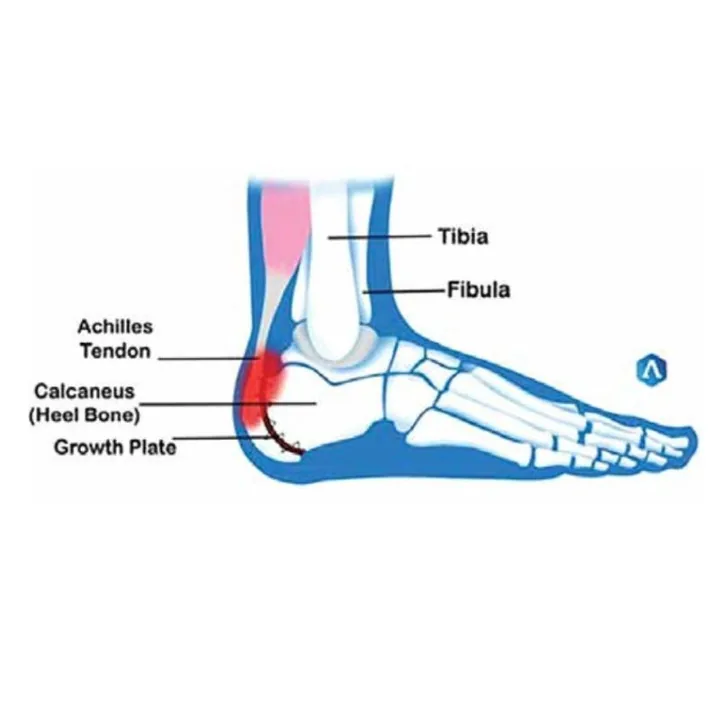
Heel pain in children 8 to 14
Read more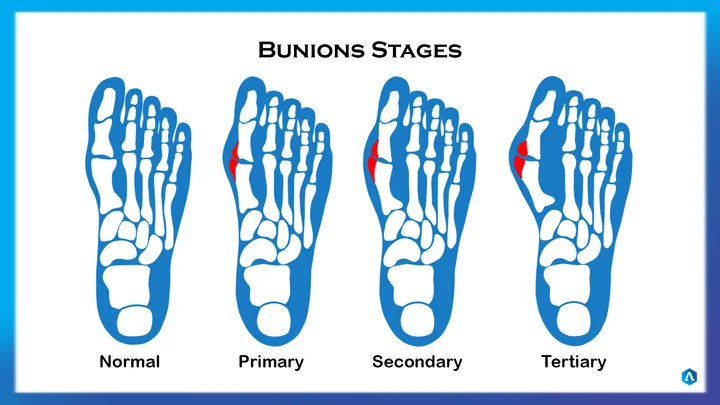
The big toe drifting across
Read more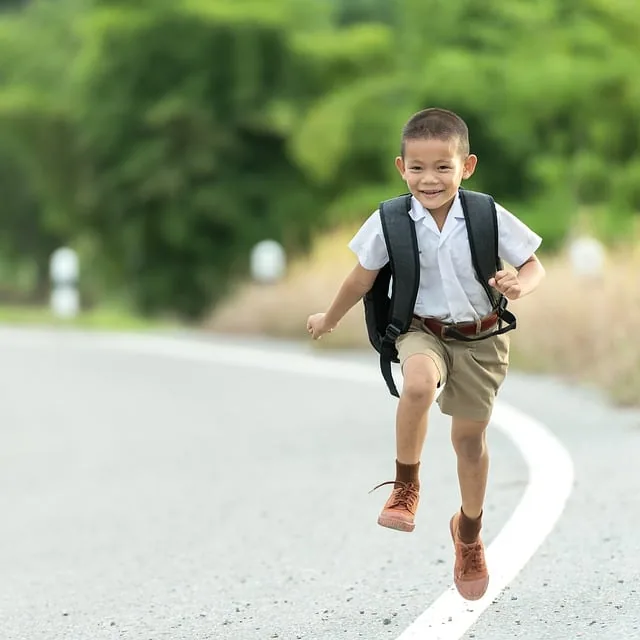
Knees apart in children and adults
Read more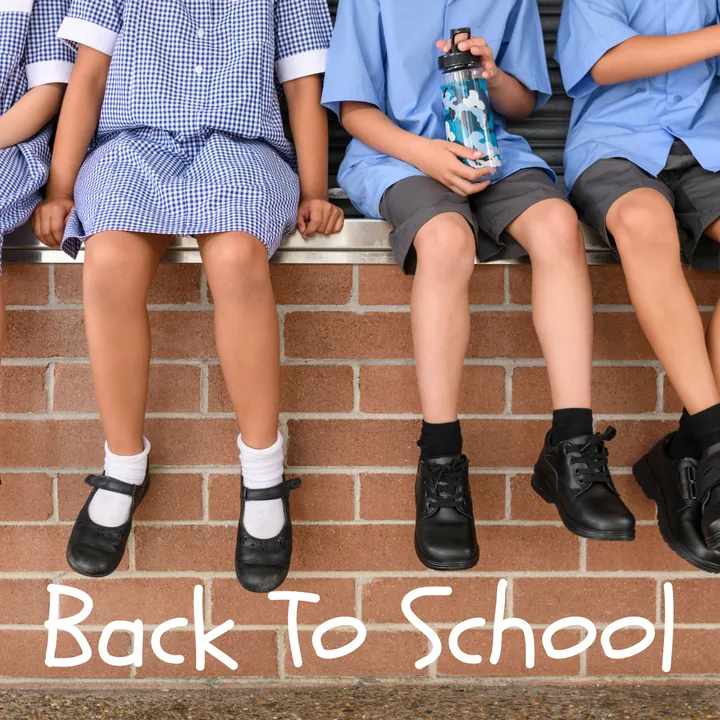
Knees together, ankles apart
Read moreAvailability varies by clinic. Call the clinic nearest you before you book if this is the treatment you are after.
Yes. Bring the shoes you train in, including any you have retired recently. The wear pattern tells us a great deal.
Gait is assessed under load as part of the biomechanical assessment.
That depends entirely on what the assessment finds. A return-to-sport plan is part of the treatment rather than an afterthought.
Rest alone rarely fixes an overuse injury, because it does not change what caused the overload. The assessment is aimed at that cause.
No. You can book directly. If you are on a Medicare care plan your GP will refer you, and we can bill that.

Brought in my running shoes as asked. The wear pattern told them more than I could.
Back running after a shin problem that had stopped me twice before. The return plan was the part that worked.
Did not just tell me to rest, which is what I had been told everywhere else.
Treating lower limb pain since 1990
Choose your clinic and book straight into its diary, or call and we will point you to the right practitioner.