

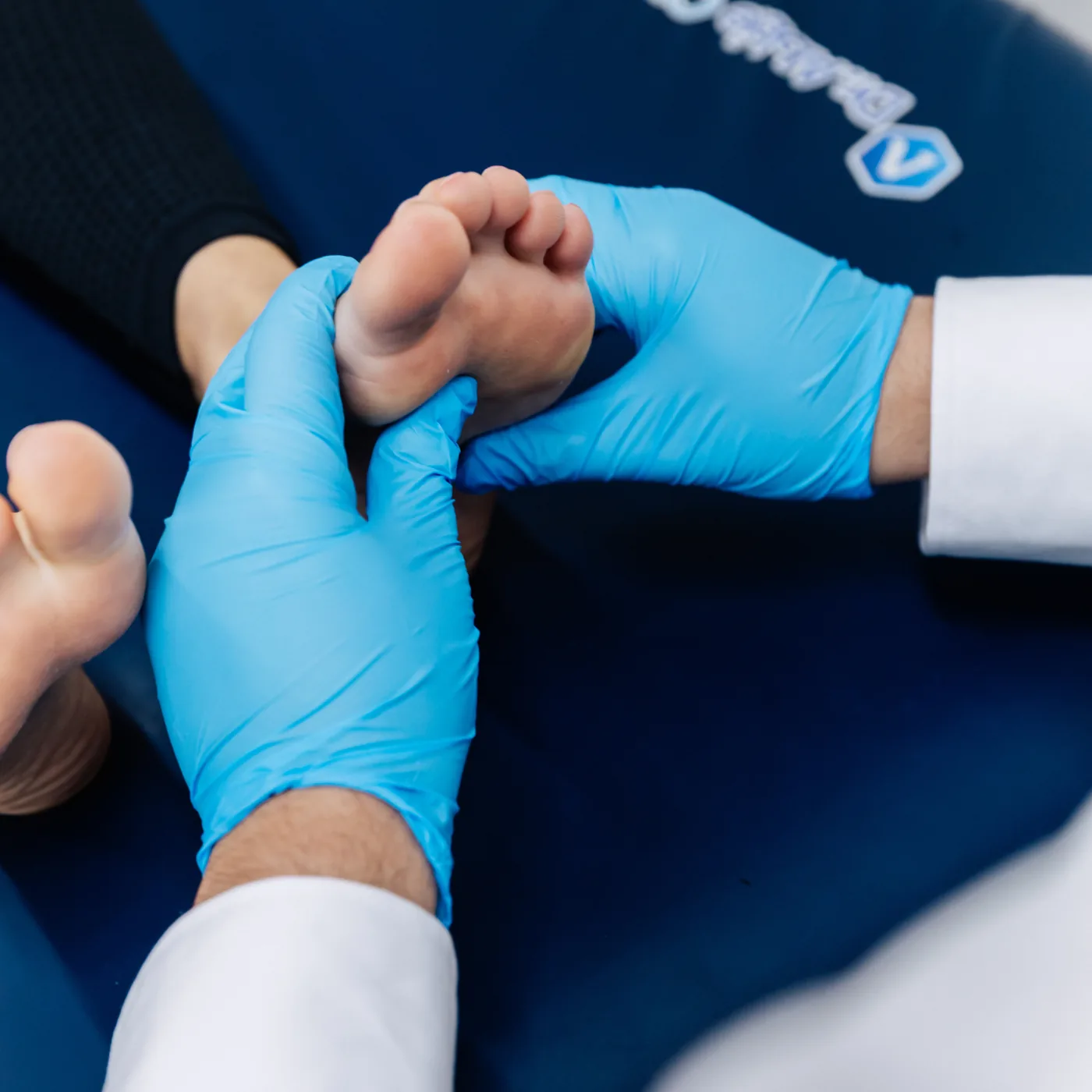





A common example
Cuboid syndrome: a bone on the outer side of the foot partly dislocates, often after an ankle sprain or with a foot that rolls in too far.
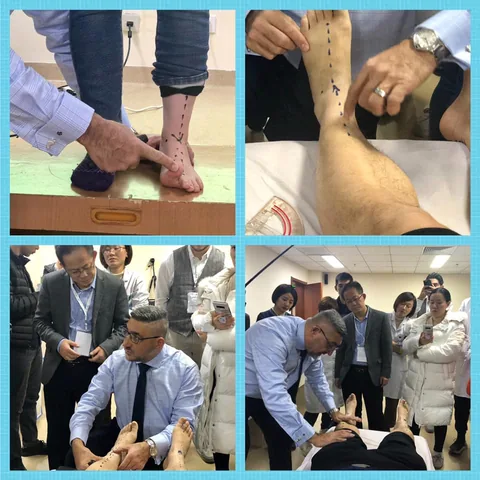
Hands-on work addressing restrictions across the foot’s 26 bones.
Trusted by patients from Sydney to Narrabri




There are 26 bones in the foot and each joint between them has a range it should move through. Mobilisation is hands-on work to restore movement where a joint has become restricted.
People whose assessment shows a joint is not moving as it should, and that the restriction is changing how load passes through the foot.
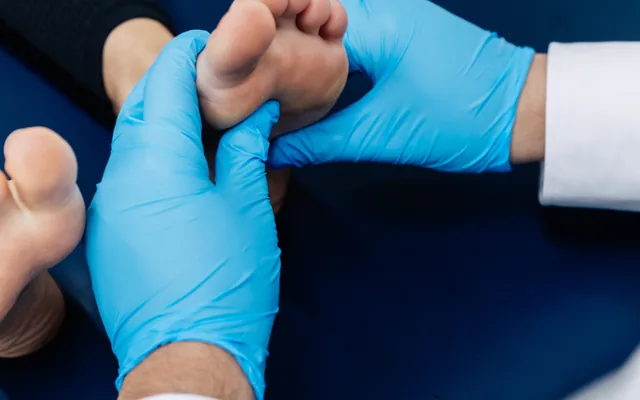
The foot has 26 bones and two sesamoids. Joints can become stiff or partly dislocated (subluxed), which limits how well the foot moves.
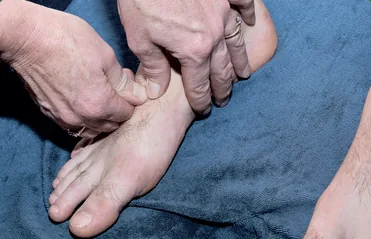
Cuboid syndrome: a bone on the outer side of the foot partly dislocates, often after an ankle sprain or with a foot that rolls in too far.
Mobilisation works through the foot, ankle, knee and hip joints. It is best used alongside orthotics and exercises.
Past fractures or stress fractures, a history of blood clots (DVT), fresh sprains and inflammation, severe osteoporosis or infection. Your podiatrist checks these first.
Foot Mobilisation is prescribed against a diagnosis, never against a symptom. That is what the Najjarine Biomechanical Assessment is for.
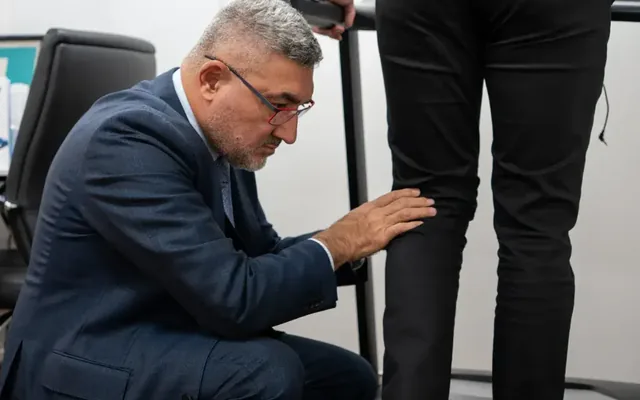
The assessment establishes which joints are restricted and whether that restriction is relevant to your pain.
The joint is mobilised by hand, working through its range rather than forcing it.
Mobilisation is usually paired with exercises or orthotic therapy so the range gained is kept.
Find out whether foot mobilisation is the right call for your pain.
Every condition we treat, starting with the ones foot mobilisation is most often used for. Choose yours to see the assessment and the treatment.
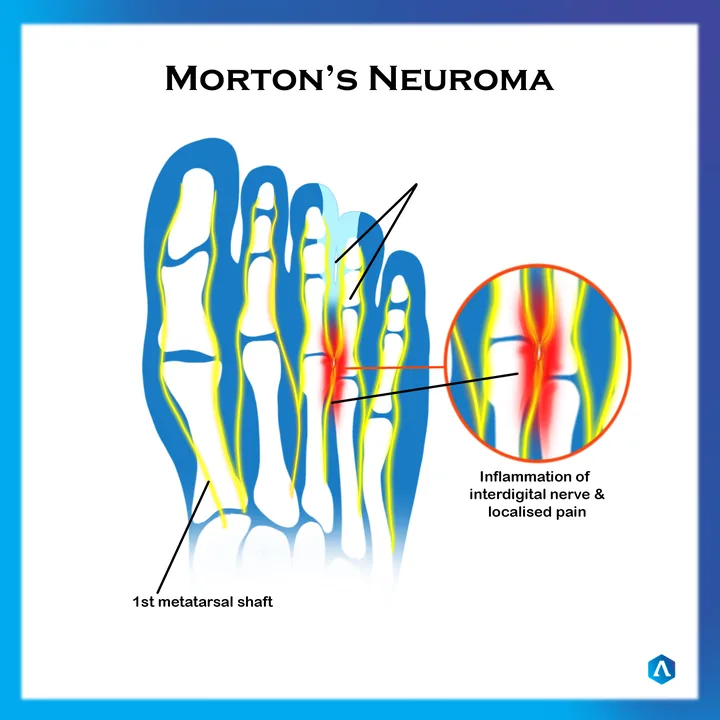
Including Morton’s neuroma
Read more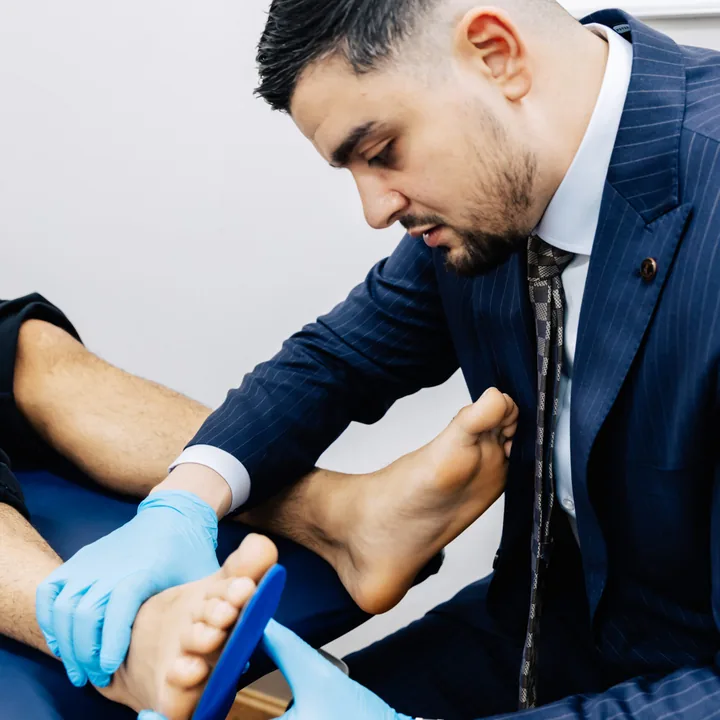
Fallen arches in children and adults
Read more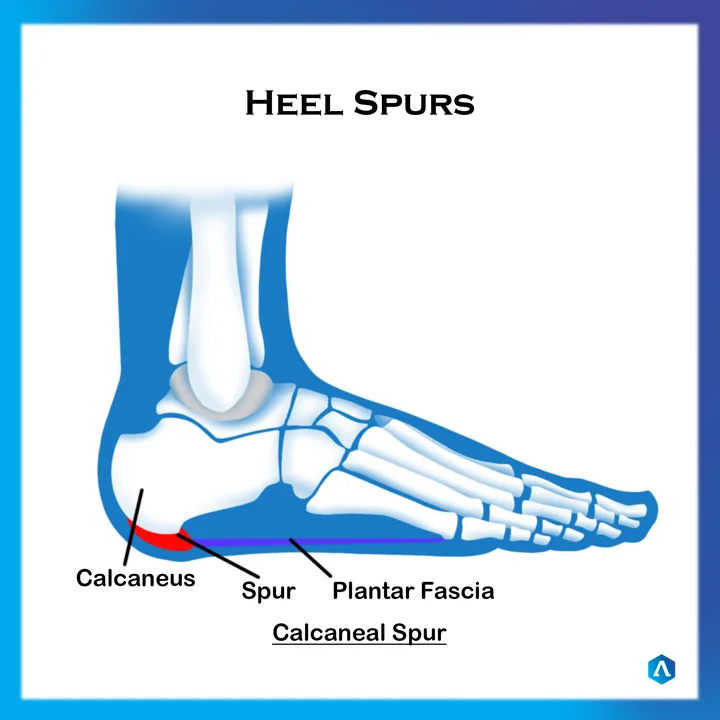
Including first-step pain in the morning
Read more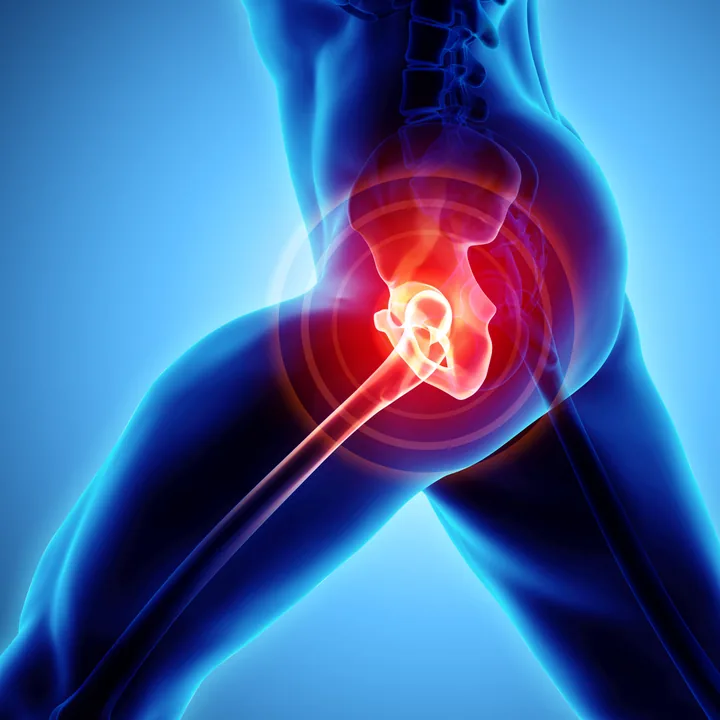
Where the cause sits below the knee
Read more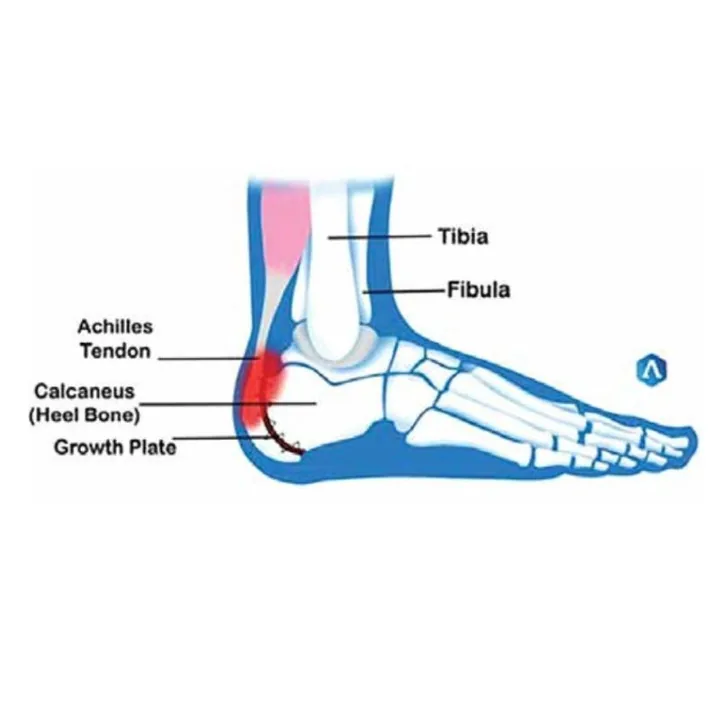
Heel pain in children 8 to 14
Read more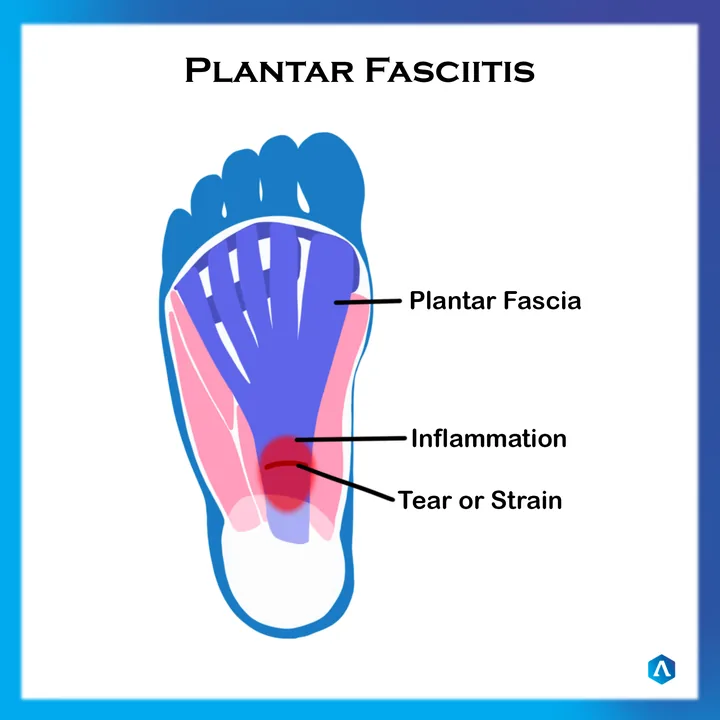
Arch and heel pain under load
Read more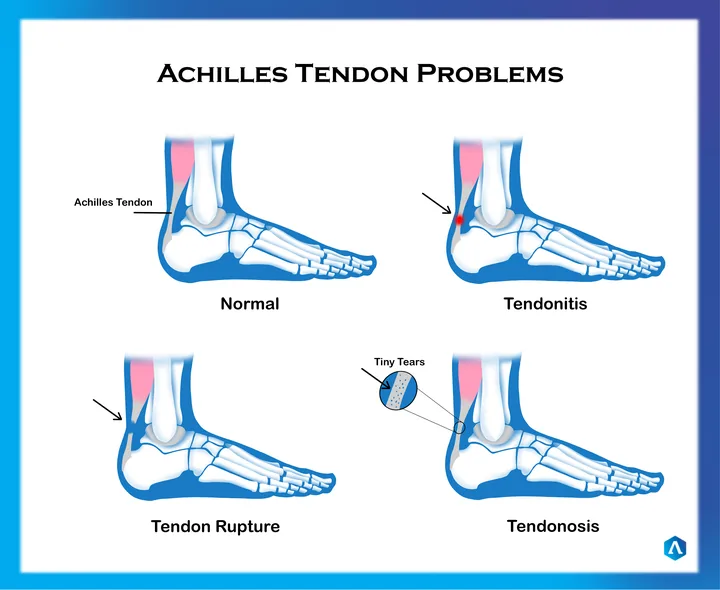
Tendon pain and tendonitis
Read more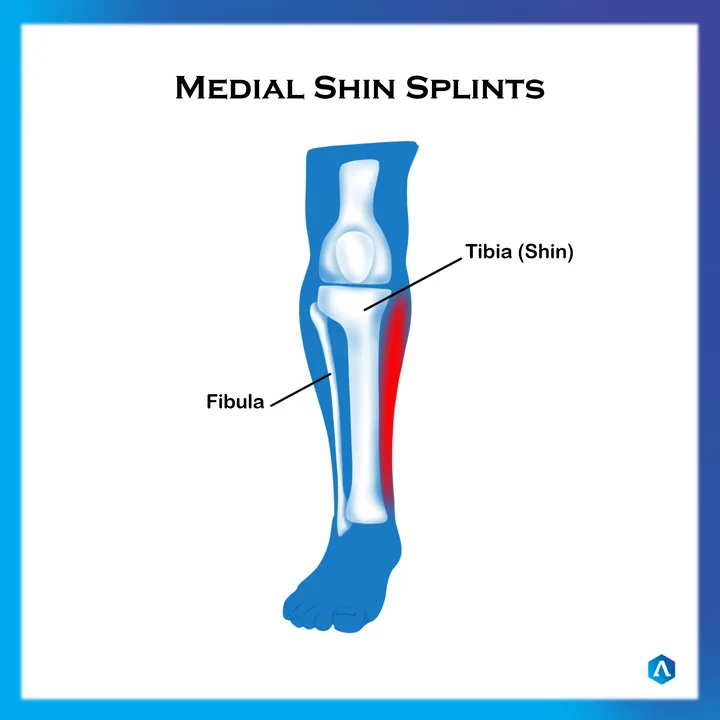
Pain along the shin with activity
Read more
Overuse injury and return to sport
Read more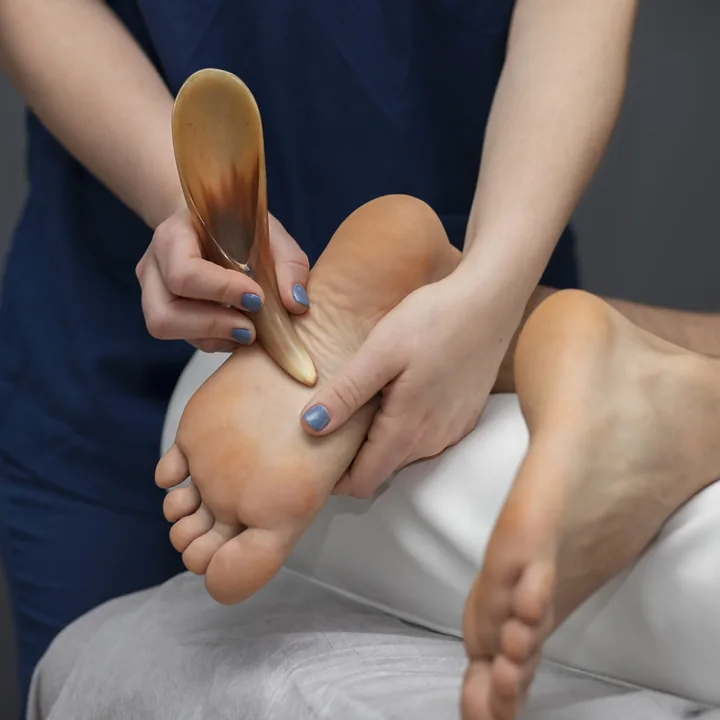
Routine and recurrent
Read more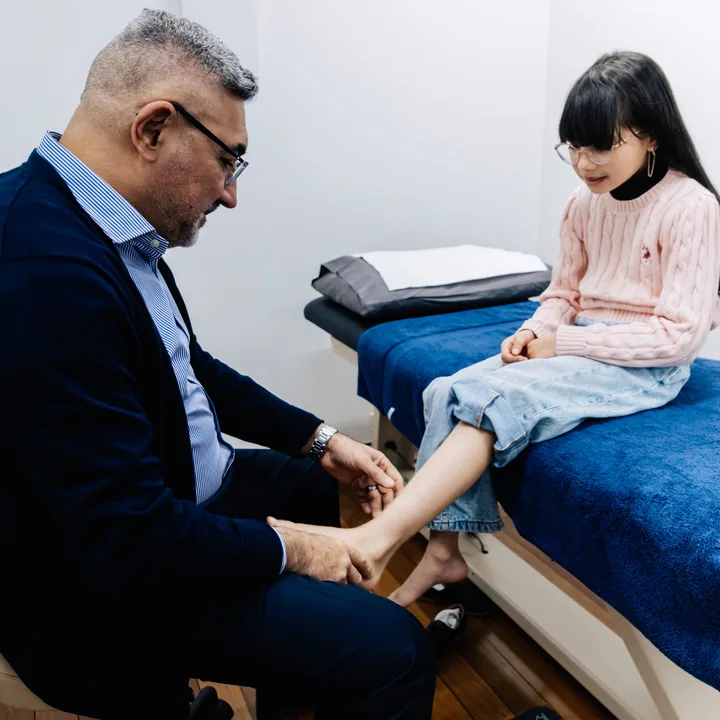
In-toeing gait in children
Read more
Out-toeing gait in children
Read more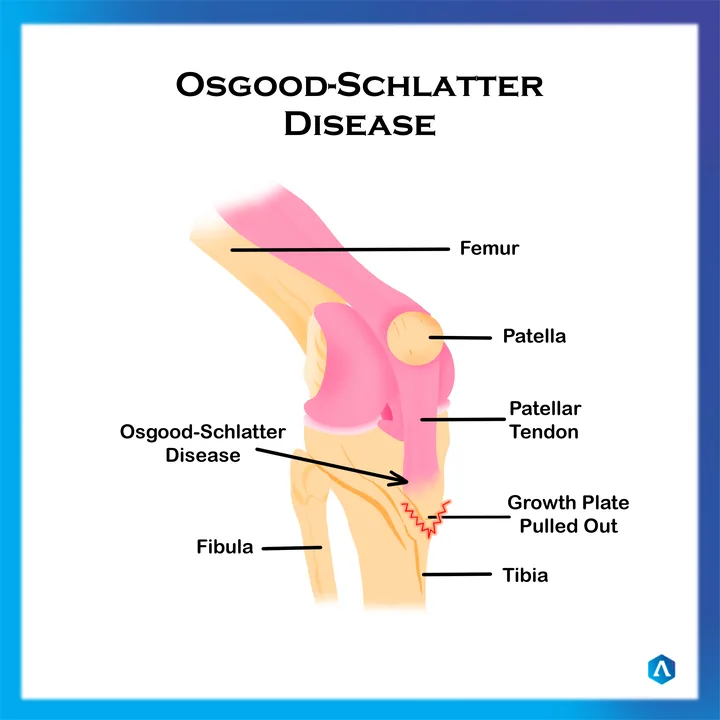
Knee pain in teenagers 13 to 17
Read more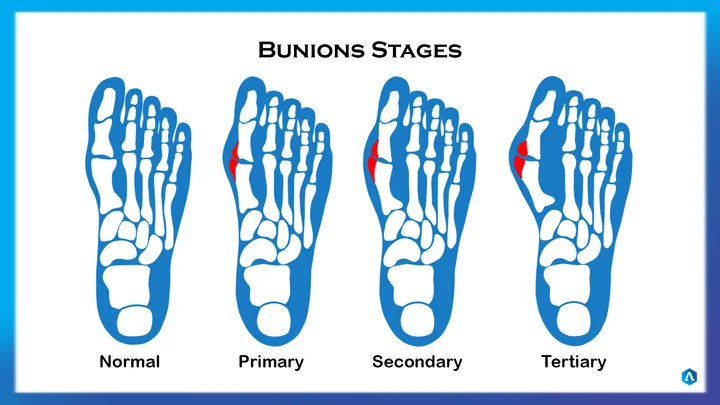
The big toe drifting across
Read more
Knees apart in children and adults
Read more
Knees together, ankles apart
Read moreAvailability varies by clinic. Call the clinic nearest you before you book if this is the treatment you are after.
No. Massage works on soft tissue. Mobilisation works on the joints themselves and is directed at specific restrictions the assessment found.
It should not. The joint is worked through its range rather than forced. Tell your podiatrist if anything is uncomfortable.
That depends on what the assessment found and how long the restriction has been there. Your podiatrist will tell you before you commit.
Usually. Range gained in the clinic is easier to keep if it is loaded between appointments.
No. You can book directly. If you are on a Medicare care plan your GP will refer you, and we can bill that.

Hands-on and no equipment. My midfoot had not moved properly in years and I could feel the difference walking out.
Gentle. Nothing was forced and it did not hurt.
Given exercises to keep the range. Explained why that mattered rather than just handing me a sheet.
Treating lower limb pain since 1990
Choose your clinic and book straight into its diary, or call and we will point you to the right practitioner.