

In short
- Podiatrists assess and treat the feet and lower limb, including pain that shows up at the shin, knee or hip.
- You do not need a referral to book.
- Pain that lasts, keeps coming back or changes the way you walk is worth having assessed.
- Sudden severe pain, an injury you cannot walk on, or signs of infection need prompt medical care instead.
Most people put up with foot and leg pain for longer than they need to, often because they are not sure whether it is “bad enough” to see someone, or who to see. This is a practical guide to when a podiatrist is the right call.
What a podiatrist does
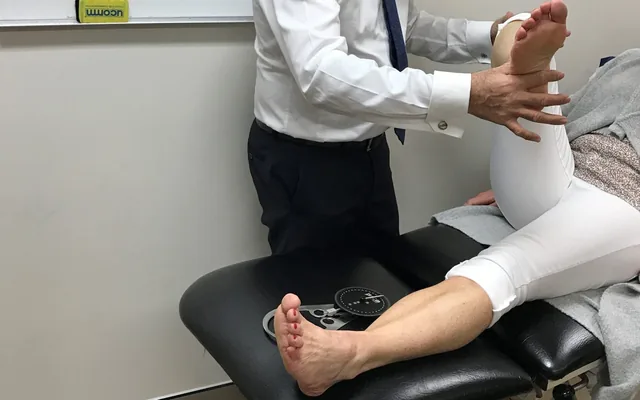
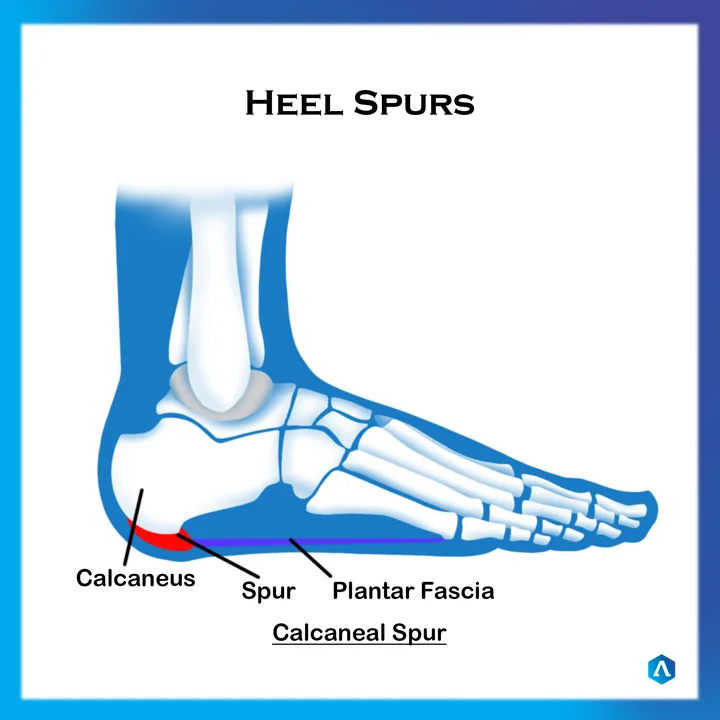
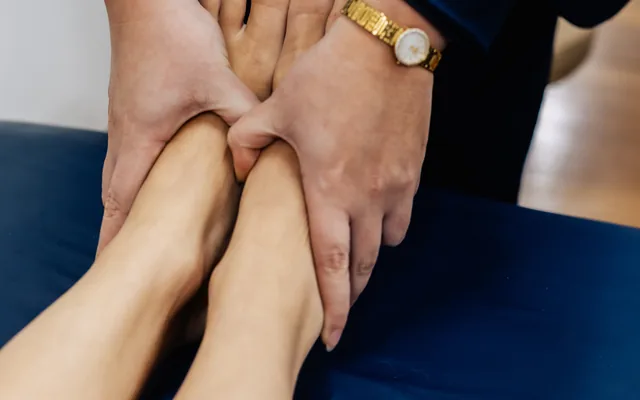
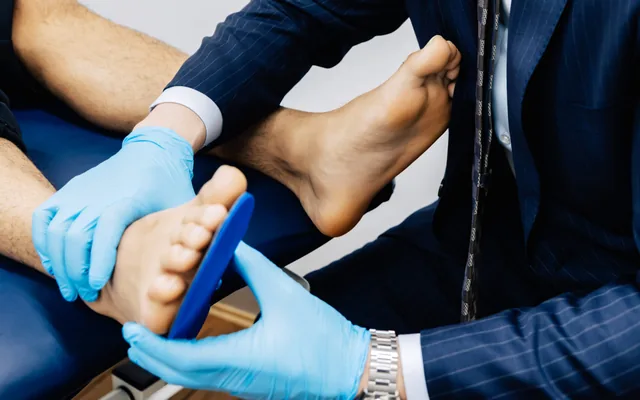
A podiatrist assesses, diagnoses and treats problems of the feet and lower limb. That includes everyday care such as nails, corns and calluses, but also pain that starts in the way the feet and legs load, which can show up at the heel, the arch, the shin, the knee or the hip.
Podiatry is a primary contact profession in Australia, so you can book directly without a referral. If you are on a Medicare care plan, your GP will refer you.
Signs it is time to book
1. Pain that has lasted more than a few weeks
Aches that settle in a day or two after a long walk are normal. Pain that is still there weeks later, or that has become part of your routine, such as heel pain every morning, is worth having assessed.
2. Pain that keeps coming back
If a problem settles with rest and returns as soon as you go back to normal activity, rest is treating the symptom and not the cause. Finding that cause is what a biomechanical assessment is for.
3. You have changed the way you walk
Limping, walking on the outside of the foot, or favouring one leg shifts load elsewhere, and can create a second problem on top of the first.
4. Pain during or after exercise
Shin, calf, Achilles or knee pain that appears at a certain distance or pace, or stops you training, is typical of a running injury and usually has a load or mechanical reason behind it.
5. Nail and skin problems you cannot manage yourself
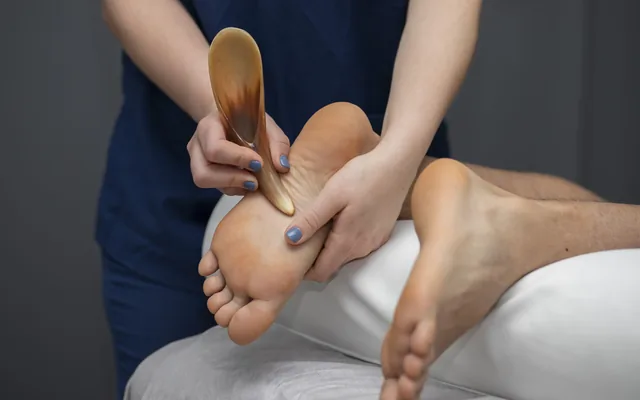
An ingrown toenail, a painful corn or a callus that keeps returning is straightforward to treat properly through general foot care, and usually worse for being dug at at home.
6. You have noticed something about your child’s walking
Feet that turn in or out, frequent tripping, or leg pain that limits activity are worth having assessed, even if the answer is that nothing needs doing yet.
7. You have diabetes or reduced circulation
Where sensation or circulation in the feet is reduced, small problems can become serious without much warning. Regular foot checks matter more, and so does having any change looked at early.
What to bring to your first appointment
- the shoes you wear most, including work or sports shoes
- any orthotics or insoles you already use
- any scans, X-rays or reports you have
- a list of your medications
- shorts, or loose trousers, if your knees or hips are involved
Booking an appointment
Each of our clinics books into its own diary, so choose the clinic nearest you and book straight in, or call and we will point you to the right practitioner. Allow about 45 minutes for a first appointment. That covers the assessment, the diagnosis and an explanation of the plan before any treatment starts. For fees and rebates, call the clinic you want to attend and reception will quote you before you book.
This article is general information, not a diagnosis. Everyone’s situation is different, so if you have pain or a concern about your feet or legs, have it assessed by a health professional.