
In short
- A low arch is a shape, not automatically a problem. Many people with flat feet have no pain.
- Flat feet matter when the way the foot rolls puts strain on tissue in the arch, heel, knee or hip.
- A custom orthotic is made to a prescription from your assessment, not picked off a shelf.
- Orthotics are one option among several and are only prescribed when the assessment shows they will change something.
“You have flat feet, you need orthotics” is advice a lot of people have been given. Sometimes it is right. Often it skips the most important step, which is working out whether the shape of your foot is actually causing the problem you came in with.
Flat feet are not automatically a problem
Flat feet simply means the arch sits low, or flattens noticeably when you stand. It is common in both children and adults, and plenty of people with low arches never have any pain from them.
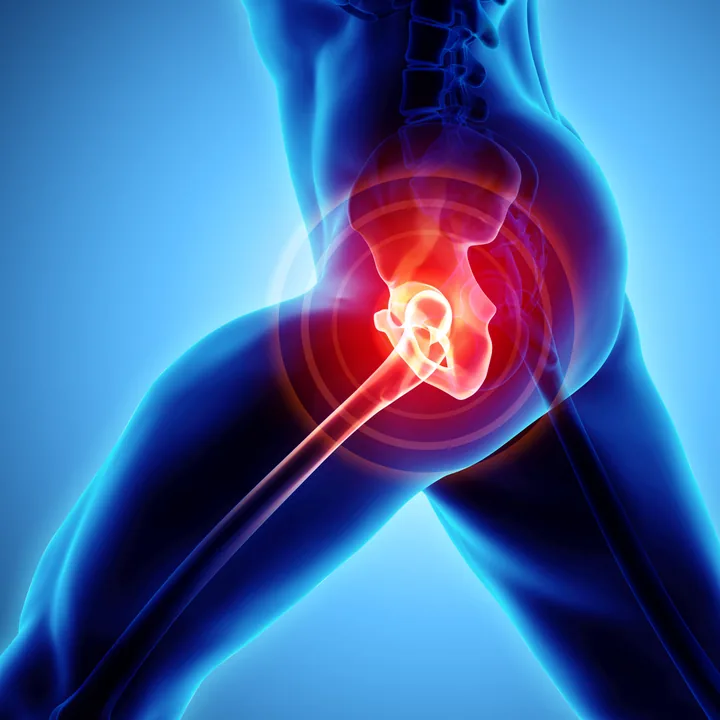
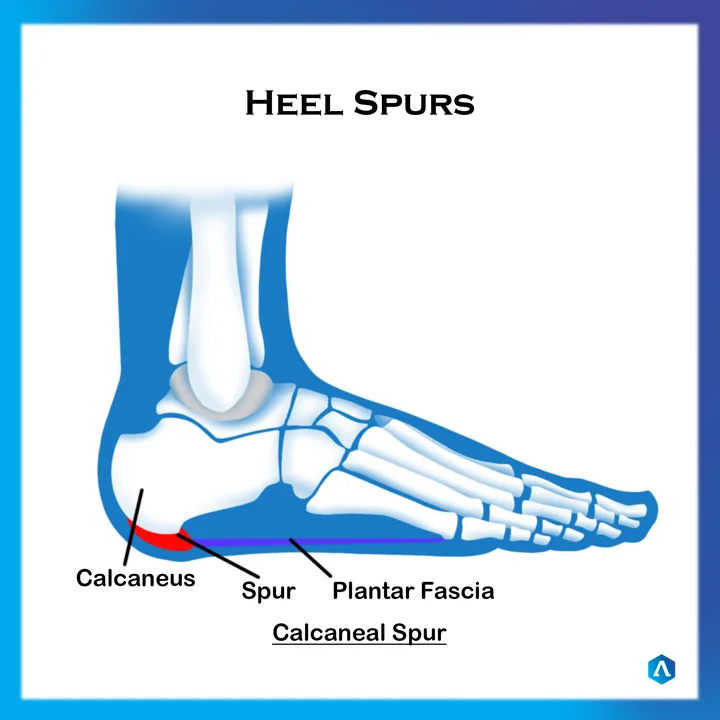
A low arch becomes relevant when the way the foot rolls through each step places strain somewhere that cannot tolerate it. That strain can show up in the arch or heel, but it can also appear further up, at the shin, the knee or the hip, because each step’s load travels up the leg.
What the assessment looks at
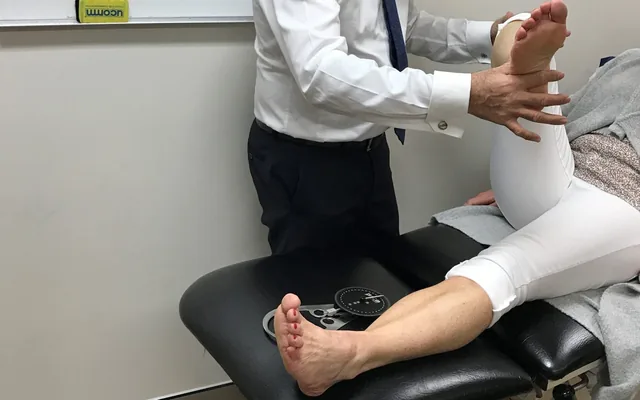
The Najjarine Biomechanical Assessment was developed at Dr. Abbie Clinics and draws on engineering principles. For a flat foot, the questions it sets out to answer are practical ones:
- How does your foot and leg line up when you stand, and how does that change when you walk?
- Where is the load going with each step, and which structure is being strained by it?
- Does that strain match the pain you have come in with?
- What are your shoes doing, and what does their wear pattern show?
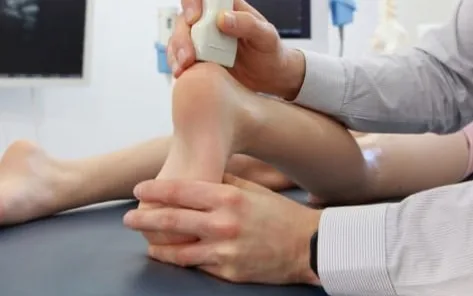
The foot is assessed moving and under load, not only lying on a treatment table, because that is when the arch is doing its work. The findings are explained to you before anything is prescribed.
What a custom orthotic is, and is not
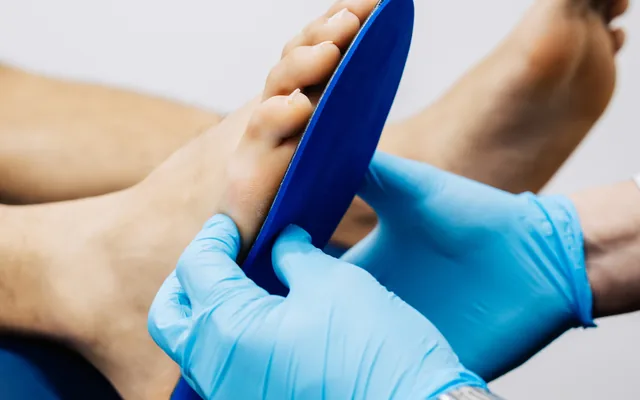
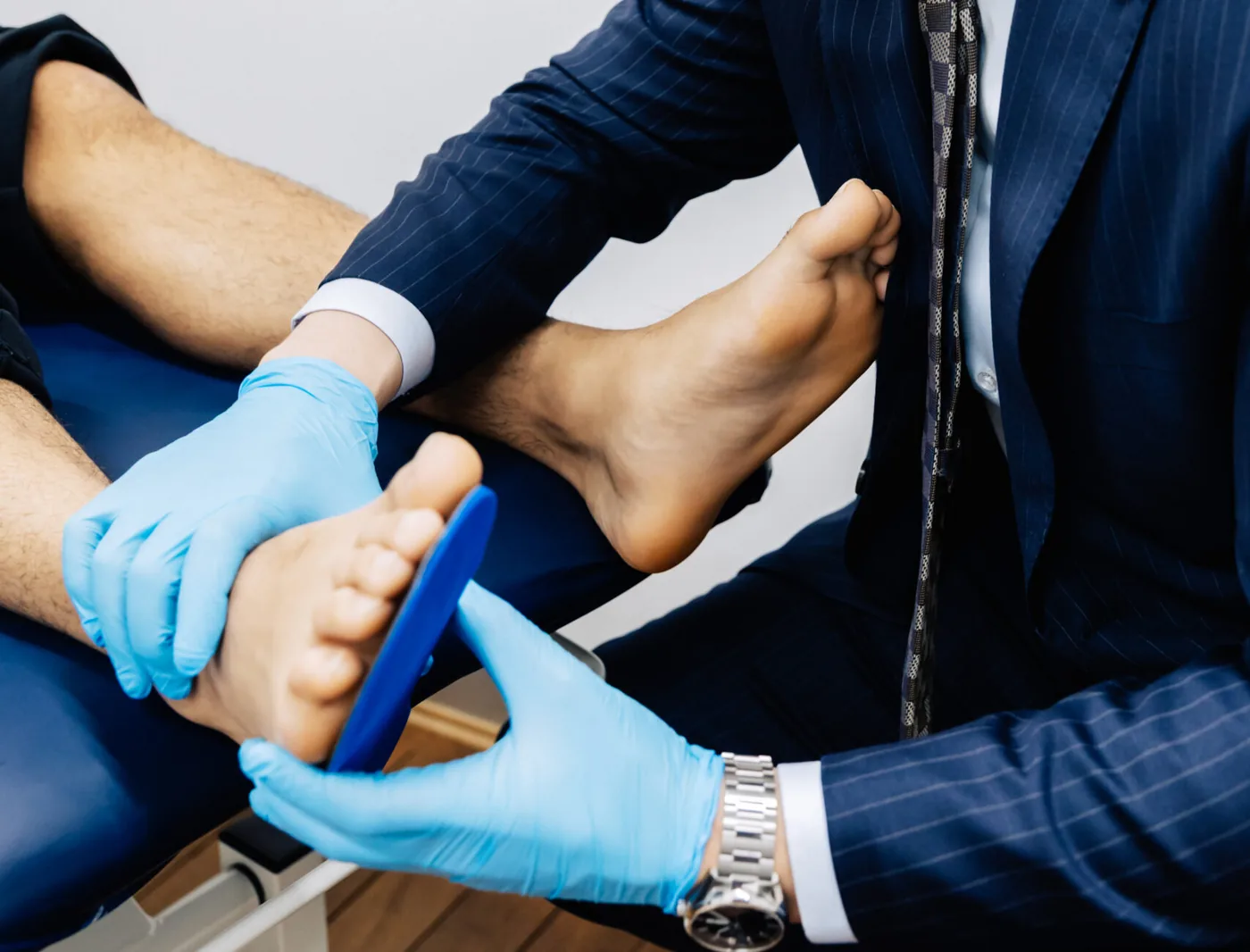
An off-the-shelf insole is a generic shape designed to suit as many feet as possible. A custom orthotic is made to a prescription written from your own assessment, to change a specific problem that assessment identified.
The aim is not to force the foot into an idealised arch shape. It is to change the way load passes through the foot and up the leg, so the structure that has been overloaded is no longer taking the strain. That is why the prescription for two people with similar-looking flat feet can be quite different.
Our orthotics are manufactured on site at our Kirrawee head office rather than sent to an external laboratory.
What to expect if orthotics are prescribed
- Assessment and prescription. The device is designed around what the assessment found, and around the shoes you actually wear. Bring them.
- Manufacture. The orthotic is made to that prescription. This usually takes around 7 to 10 days.
- Fitting. The device is fitted to your shoes and checked while you stand and walk.
- Settling in. There is usually a break-in period. Your podiatrist will tell you how to introduce them.
- Review. The fit and your symptoms are checked, and the device is adjusted if needed.
When orthotics are not the answer
Orthotics are one of several treatments, not a default. If the assessment shows your flat feet are not the cause of your pain, there is nothing for an orthotic to fix. If they are part of the picture, other approaches may be used alongside or instead, including mobilisation, footwear changes or a strengthening programme.
Strapping is sometimes used first. If taping the foot a certain way relieves the pain, that tells us something useful about what an orthotic would need to do. For children, whose arches are still developing, the answer is often monitoring rather than a device.
Questions worth asking at your appointment
- Is my foot shape actually connected to my pain?
- What would an orthotic change, specifically?
- What else could we try, and why is this the better option for me?
- Will it fit the shoes I wear most?
- How will we know whether it is working?
A good answer to each should be possible after the assessment. If it is not, the prescription is a guess.
This article is general information, not a diagnosis. Everyone’s situation is different, so if you have pain or a concern about your feet or legs, have it assessed by a health professional.