

In short
- Children’s feet and legs are still developing, and many differences in the way they walk settle with growth.
- In-toeing, out-toeing and flexible flat feet are common in young children and often need monitoring rather than treatment.
- Pain that limits activity, a limp, one side behaving differently, or things getting worse rather than better are reasons to book.
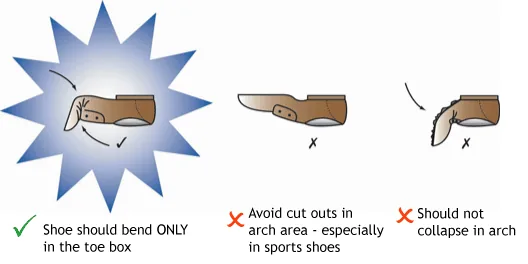
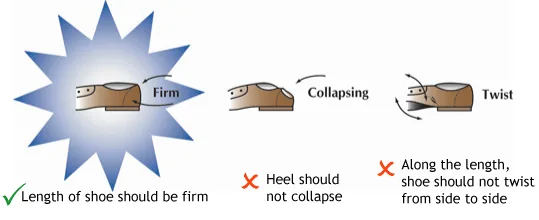
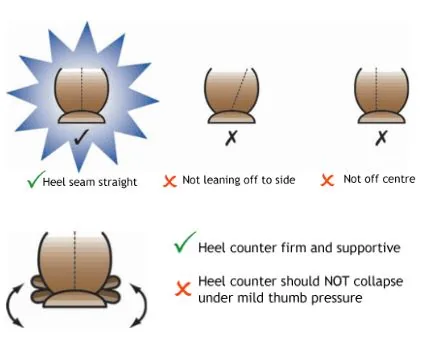
- A good school shoe bends at the toes, is firm along its length, and has a straight, supportive heel.
Parents notice things. A child whose feet turn in when they run, who trips more than their friends, or who complains that their legs ache at night. Some of these settle on their own as a child grows. Some do not. The difficulty is telling which is which, and that is what an assessment is for.
Children’s feet are still developing
A child’s foot is not a small adult foot. The bones, the arch and the rotation of the legs all change through childhood, and what is typical at three can look quite different from what is typical at eight. That is why the same observation can be entirely expected in one child and worth addressing in another.
Pigeon toe (in-toeing)
Pigeon toe describes feet that point inwards when a child walks or runs. The rotation can come from the foot, the shin or the hip, and which one matters, because they behave differently as a child grows. Many children grow out of it.
It is worth having it assessed if it is getting more noticeable rather than less, if it is much more obvious on one side, if your child is tripping frequently, or if they are complaining of pain or tiring quickly.
Out-toeing
Out-toeing is the reverse: feet that turn outwards, sometimes with a waddling look to the walk. Like in-toeing, some out-toeing is expected at particular ages and resolves with growth, and it is assessed in the same way.
Flat feet in children
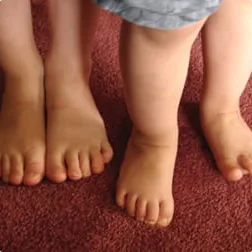
Young children often look flat-footed, and arches typically develop through childhood. A foot that looks flat when standing but shows an arch when the child stands on tiptoe is often described as flexible, and in many children needs nothing more than monitoring.
Flat feet are worth assessing when they come with pain, when the foot seems stiff, when one foot is noticeably different from the other, or when a child is avoiding activity because their feet or legs hurt.
Growing pains
Many children go through periods of aching legs, usually in the evening or at night, often after an active day, and typically in both legs rather than one spot. These episodes are common and usually settle.
Leg pain in an active child can also come from how the feet and legs are loading during sport, including pain around the heel or just below the kneecap, where growth plates can become irritated. That kind of pain tends to relate to activity and sit in a particular place, and it is worth having looked at.
Signs it is time to book
- pain that stops your child doing things they enjoy, or that they are avoiding sport because of it
- a limp, or one leg or foot behaving differently from the other
- tripping or falling noticeably more than other children their age
- pain that sits in one specific spot, or happens during the day as well as at night
- something that is getting worse over months rather than better
- shoes that wear out very unevenly or quickly
What happens at the appointment
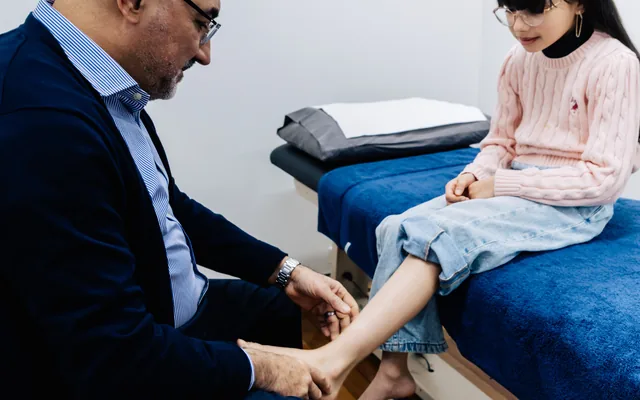
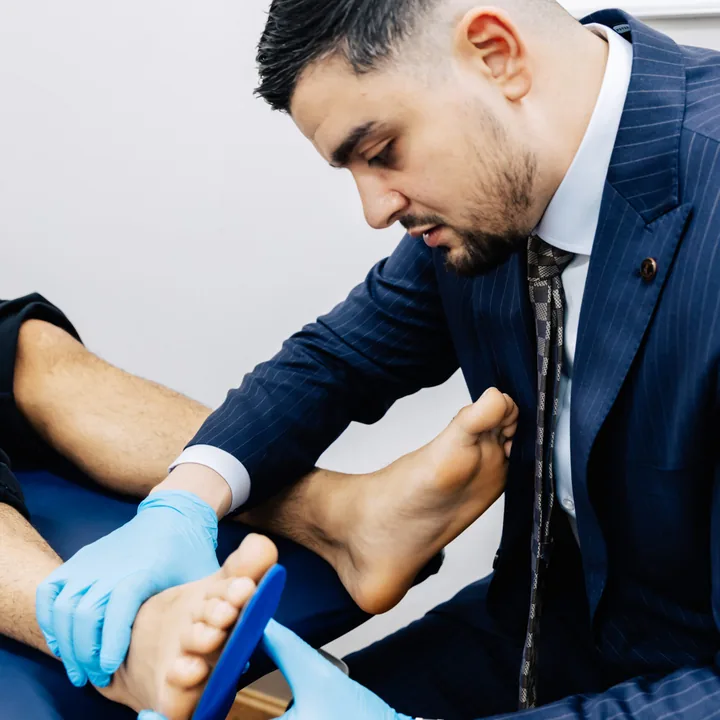
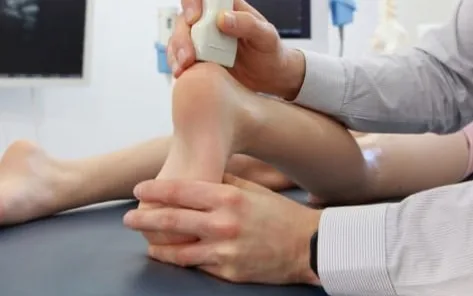
A children’s podiatry assessment looks at how your child stands, walks and runs, and compares that against what is expected for their age. We explain what we found in plain terms, including when the answer is that nothing needs doing yet. Where something does, treatment is staged around growth and reviewed as they develop.
Children are seen at all of our clinics. Bring the shoes your child wears most, including school shoes.
What to check in a school shoe
Children spend a large part of the week in their school shoes, so they are worth choosing carefully. Three quick checks you can do in the shop:
This article is general information, not a diagnosis. Everyone’s situation is different, so if you have pain or a concern about your feet or legs, have it assessed by a health professional.