
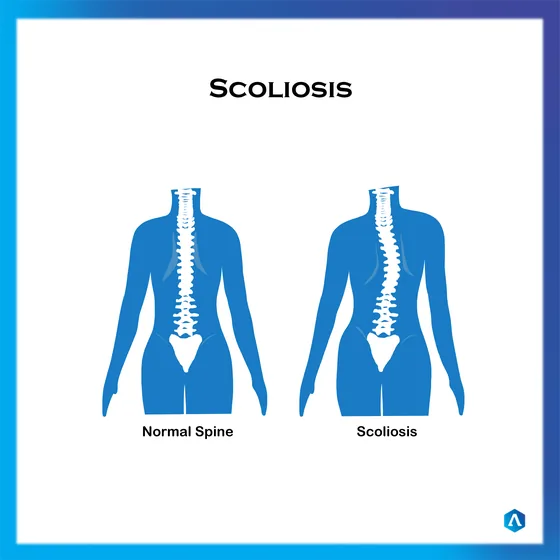
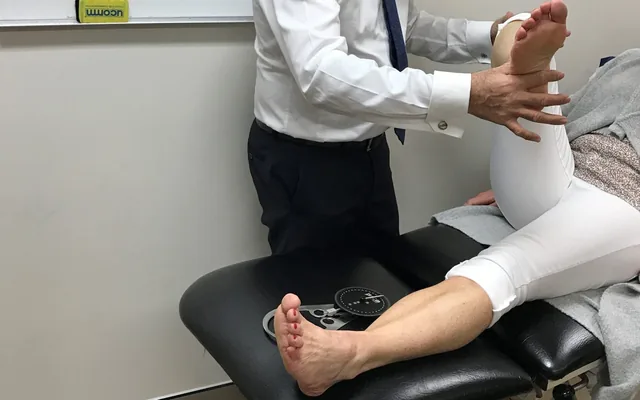
Lower back pain that did not begin with an injury often begins further down. When the legs load unevenly, the pelvis tilts and the back has to compensate.
Trusted by patients from Sydney to Narrabri
If this sounds like your pain, there is a structural reason for it. The assessment is what finds it.
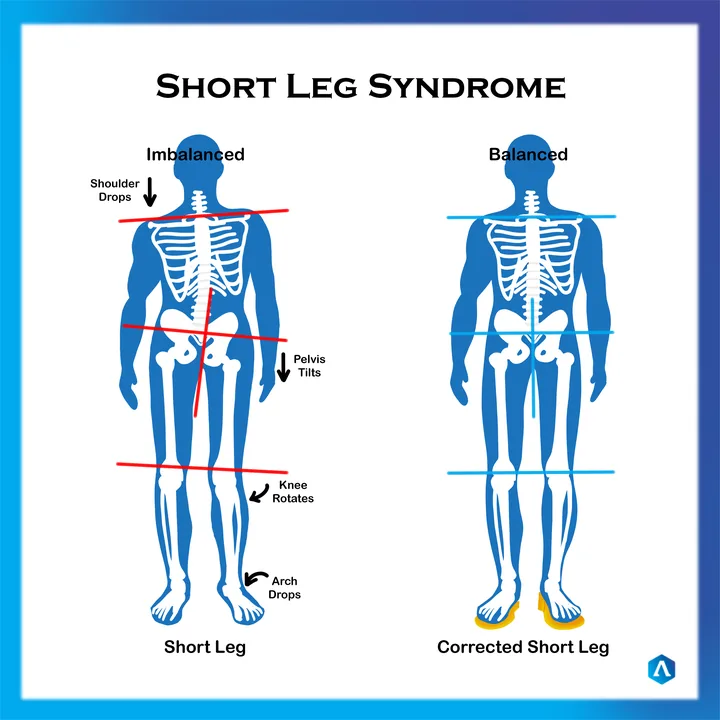
Where there has been no injury, the assessment looks below the back. One foot rolling in further than the other makes that leg behave as though it were a different length, the pelvis rises on one side and the joint between the pelvis and the spine — the sacroiliac joint — carries the load. Both feet rolling in tips the pelvis forward instead, increasing the hollow in the lower back. A leg that is genuinely shorter more often causes pain on the side of the longer leg, at the hip and the sacroiliac joint. A twisted pelvis can make a leg behave as though it is short when the bones are even. Rolling in is not itself the cause: it is the sign that something else is out of position, and the assessment is what finds which.
Back pain with no injury behind it is treated here as a postural problem rather than a back problem. The book sets out four patterns, and a chain that starts at the ground.
Four patterns, four different plans
The leg on that side behaves as though its length has changed. The pelvis rises, and pain appears in the lower back and at the sacroiliac joint on that side.
The body’s centre of gravity moves forward, the pelvis tips with it and the hollow in the lower back increases.
Pain usually appears on the side of the longer leg, at the hip and the sacroiliac joint, because that is the side the pelvis is driven up on.
The bones are even, but the pelvis is rotated, so one leg behaves as the shorter one. One foot tends to turn out and the other turn in.
The book draws it as a sequence rather than a list. A short leg raises one hip; the spinal muscles on that side contract; that shows up as back pain. Followed further up the same chain reaches the shoulder and the neck, and followed down it reaches the hip, the knee and the foot.
A leg can be genuinely shorter, or simply behave as though it is. One side of a deep muscle in the lower back — the quadratus lumborum — contracting can lift that side of the pelvis and produce a shorter leg where the bones are even. The two are corrected differently, so they are separated before anything is prescribed.
With a structural difference the pain commonly sits on the side of the longer leg. Where a heel raise is part of the plan it goes in gradually rather than all at once, so the body is not asked to change position overnight.
These postural differences can appear from around four years of age. The muscles, ligaments and joints take shape around the position the body holds, which is why they are harder to alter the longer they have been there.
Back Pain is diagnosed with the Najjarine Biomechanical Assessment, so treatment is prescribed against a finding rather than a symptom.
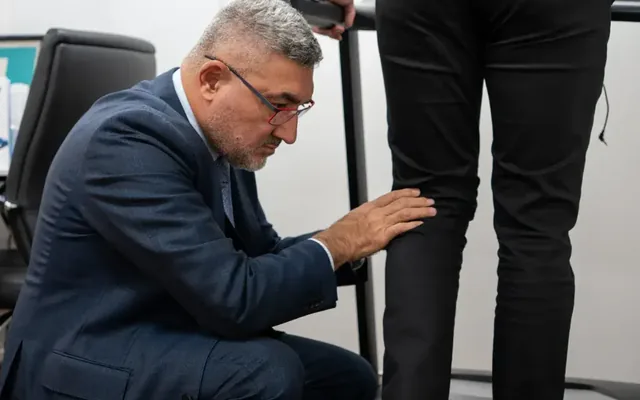
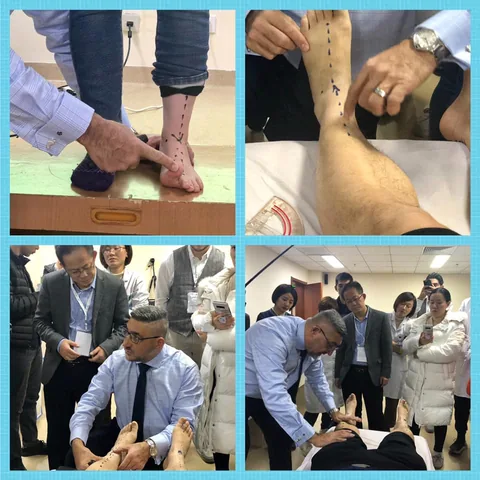
We assess how you stand and walk, and measure leg length and the position of the pelvis. A leg that looks short on the couch is not always short.
The Najjarine Biomechanical Assessment is used to separate the patterns: a structurally shorter leg, a leg made shorter by a twisted pelvis, or one or both feet rolling in. They are not treated the same way.
The plan is then aimed at what the assessment found rather than at the back itself. Where the cause is not biomechanical, we say so and refer rather than treat.
Find out what is actually causing your back pain.
Our full range of treatments, starting with those most often used for back pain. Which you need is decided at the assessment; most plans combine more than one.

A full lower limb assessment from the feet up. It is the foundation of every treatment plan we prescribe.
Read more
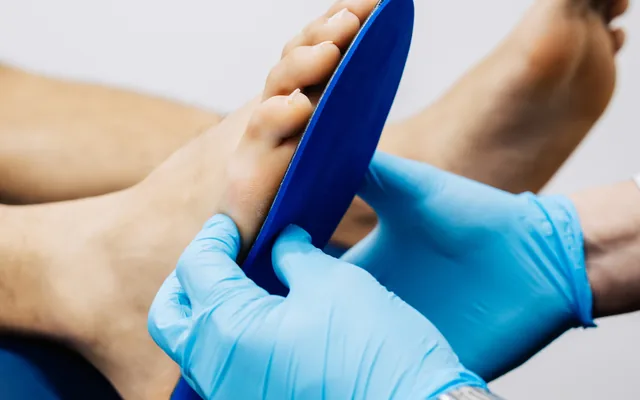
Prescribed devices that change how your foot meets the ground.
Read more
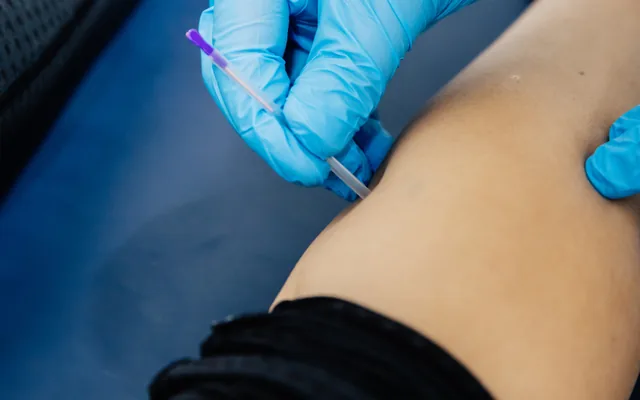
Fine needles inserted into trigger points to break down restrictive tissue.
Read more
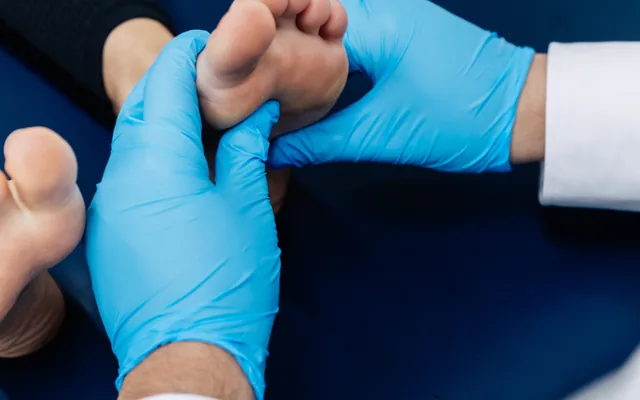
Hands-on work addressing restrictions across the foot’s 26 bones.
Read more
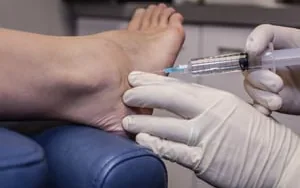
Injectable therapy to stimulate a repair response. Paired with prolotherapy.
Read more
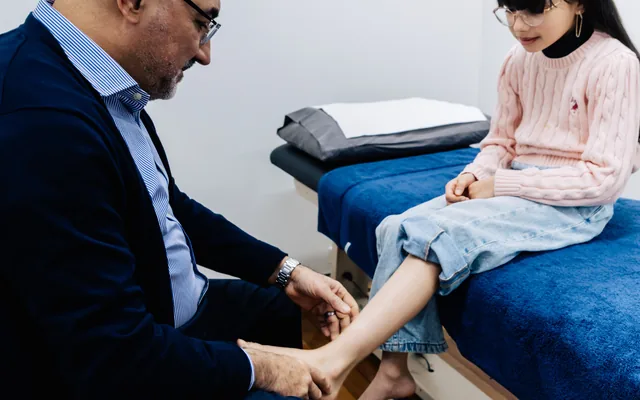
Pigeon toe, flat feet and growing pains, assessed while the foot is still developing.
Read more
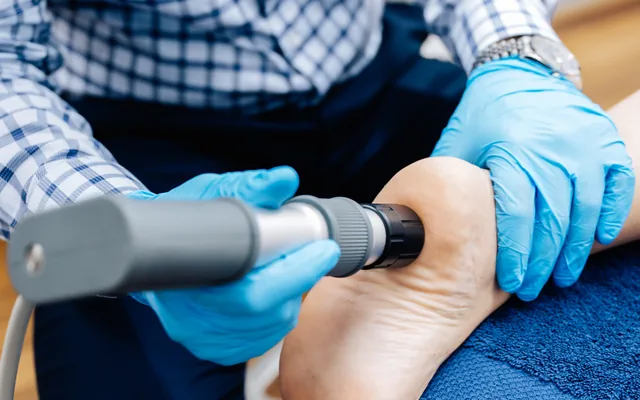
Acoustic waves using kinetic energy to stimulate repair in tendon and soft tissue. We use it most often for persistent heel pain and Achilles pain.
Read more
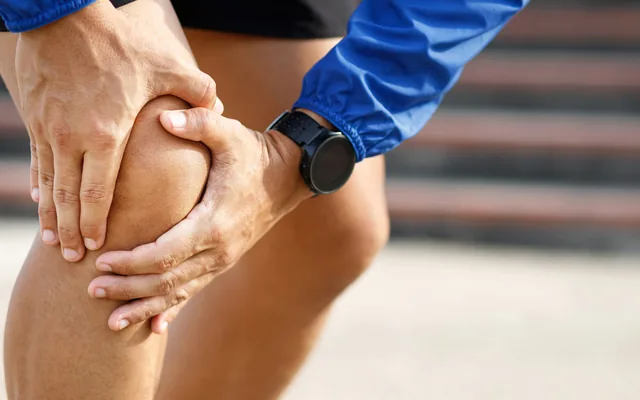
Running injuries, return to sport, and footwear that matches your gait.
Read more
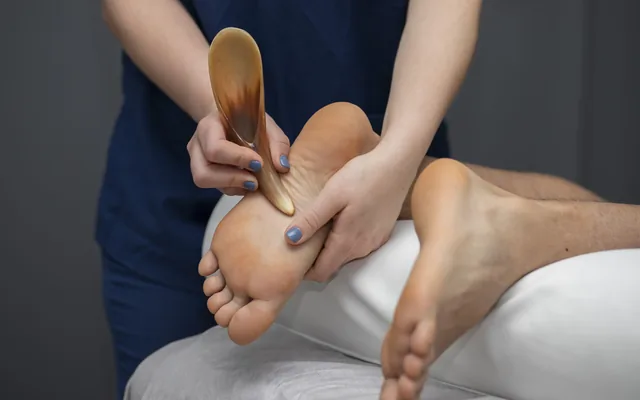
Routine care including ingrown toenails, corns and calluses.
Read more
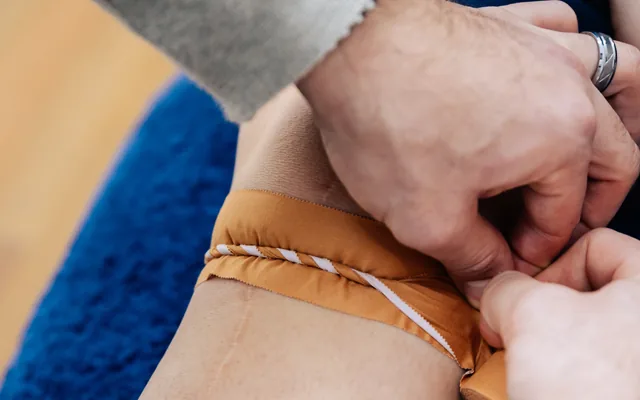
Therapeutic support to offload tissue while it recovers.
Read moreEvery clinic books into its own diary. Choose the one nearest you.
Years of lower back pain and nobody had looked at my feet. The first appointment measured my legs and my pelvis and finally joined it up.
Explained why the pain was on the opposite side to the short leg. It made sense of something two other practitioners could not.
The heel raise went in gradually rather than all at once, which they explained beforehand.
Because the back sits on the pelvis, and the pelvis sits on the legs. Where the legs load unevenly the pelvis tilts, and the muscles along the spine work harder on one side. We assess and treat that chain from the feet up — we do not treat the back itself, and where the cause is not biomechanical we will tell you so.
It is one of the patterns the assessment looks for. The book this practice works from records a structural difference of 2.5 cm on the left producing pain in the right lower back. Where a heel raise is part of the plan it is added in stages rather than all at once, so the body is not asked to change position overnight.
Yes. One side of a deep muscle in the lower back, the quadratus lumborum, contracting can lift that side of the pelvis and create a functionally shorter leg where the bones are even. That is why leg length is measured rather than judged by eye, and why a twisted or flared pelvis is checked at the same time.
It can begin in childhood — from as young as four. The muscles, ligaments and joints take shape around the position the body holds, which is why postural differences are harder to alter the longer they have been there, and why children are assessed at every clinic.
Orthotics are used where the assessment shows foot position is part of the pattern, and they are one part of a plan that can also include hands-on work, dry needling and stretching. Your podiatrist will explain what they expect them to change in your case rather than give a standard answer.
No. Podiatry is a primary contact profession in Australia, so you can book directly.
Treating lower limb pain since 1990
Choose your clinic and book straight into its diary, or call and we will point you to the right practitioner.